

The BMW 3 Series stands as a cornerstone in the automotive world, representing a blend of performance, luxury, and practicality that has captivated drivers since its inception in 1975. As one of the most successful models in BMW’s history, the 3 Series has consistently set benchmarks in the compact executive car segment. With its sporty demeanor and refined engineering, it appeals to a diverse audience, from young professionals to seasoned enthusiasts.
The 3 Series is not just a car; it embodies the spirit of driving pleasure that BMW is renowned for. Over the decades, the 3 Series has evolved significantly, adapting to changing consumer preferences and technological advancements while maintaining its core identity. Each generation has introduced innovations that enhance performance, comfort, and safety, ensuring that the 3 Series remains relevant in an ever-competitive market.
This article delves into the rich history of the BMW 3 Series, exploring its evolution, performance specifications, interior features, design elements, safety technologies, and driving dynamics.
- Key Takeaways
- Evolution of the BMW 3 Series: Generations and Innovations
- BMW 3 Series: Engine and Performance Specs
- BMW 3 Series: Interior and Technology Features
- BMW 3 Series: Exterior Design and Body Styles
- BMW 3 Series: Safety and Driver Assistance Features
- BMW 3 Series: Driving Dynamics and Handling
- The Legacy of the BMW 3 Series
- FAQs
- What are the different generations of the BMW 3 Series?
- What are some of the key innovations in the BMW 3 Series?
- What are some of the most popular models in the BMW 3 Series lineup?
- How has the design of the BMW 3 Series evolved over the years?
- What are some of the performance features of the BMW 3 Series?
Key Takeaways
- The BMW 3 Series has been a popular choice for luxury compact cars since its introduction in 1975.
- The BMW 3 Series has evolved through seven generations, each bringing new innovations and advancements in technology and design.
- The BMW 3 Series offers a range of engine options, including powerful turbocharged engines and hybrid models, delivering impressive performance and fuel efficiency.
- The interior of the BMW 3 Series is designed with high-quality materials and advanced technology features, providing a comfortable and luxurious driving experience.
- The BMW 3 Series features a sleek and sporty exterior design, with various body styles including sedan, wagon, and Gran Turismo, catering to different preferences and needs.
Evolution of the BMW 3 Series: Generations and Innovations
The BMW 3 Series debuted with the E21 generation in 1975, marking a new era for BMW as it transitioned from a manufacturer of sports cars to a producer of compact sedans. The E21 was characterized by its sharp lines and rear-wheel-drive layout, which set the foundation for future models. It was powered by a range of four- and six-cylinder engines, offering a balance of performance and efficiency that appealed to a broad audience.
The introduction of the 320i model in 1977, with its fuel-injected engine, showcased BMW’s commitment to innovation. As the years progressed, each subsequent generation brought significant advancements. The E30 (1982-1994) is often celebrated for its iconic design and driving dynamics, solidifying the 3 Series as a favorite among enthusiasts.
It introduced features like anti-lock brakes and a more refined suspension system. The E36 (1990-1997) further enhanced performance with improved aerodynamics and a wider range of engine options, including the legendary M3 variant that became synonymous with motorsport excellence. The E46 (1997-2006) continued this trend with a focus on comfort and technology.
It was during this generation that BMW introduced the first diesel engine option for the 3 Series, catering to a growing market for fuel-efficient vehicles. The E90 (2006-2012) embraced modern technology with features like iDrive and advanced safety systems. The F30 (2011-2019) marked a significant shift towards digitalization, incorporating touchscreen interfaces and connectivity options that appealed to tech-savvy consumers.
The latest G20 generation, launched in 2019, represents the pinnacle of BMW’s engineering prowess. It features a more aggressive design language, enhanced aerodynamics, and an array of hybrid and electric powertrains. This evolution reflects BMW’s commitment to sustainability while maintaining the performance characteristics that have defined the 3 Series for decades.
BMW 3 Series: Engine and Performance Specs
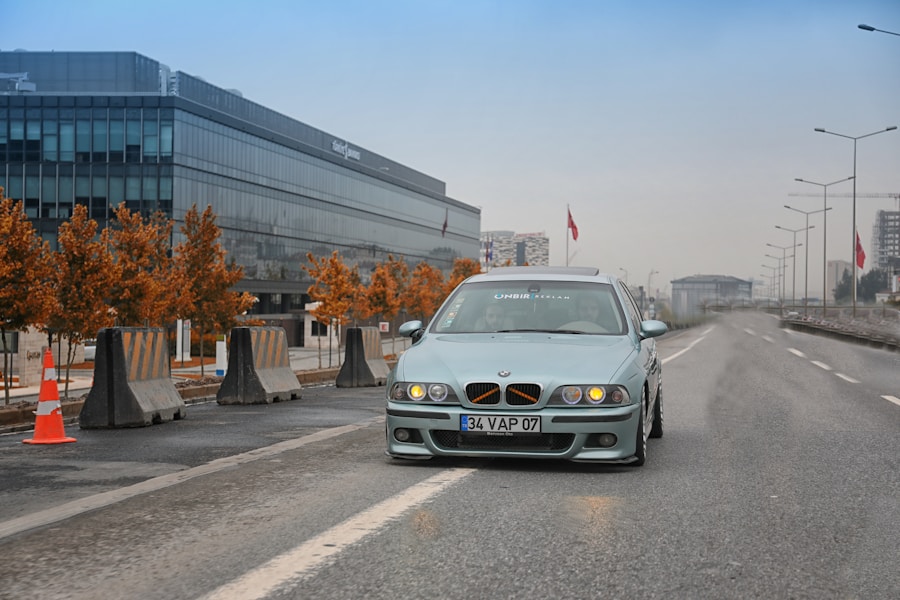
The heart of any vehicle lies in its engine, and the BMW 3 Series offers a diverse lineup that caters to various driving preferences. From efficient four-cylinder engines to powerful six-cylinder options, the 3 Series provides an exhilarating driving experience across its range. The G20 generation introduced a new lineup of engines that emphasize both performance and efficiency.
The base model typically features a turbocharged 2.0-liter four-cylinder engine that produces around 255 horsepower. This engine strikes an excellent balance between power and fuel economy, making it suitable for daily commuting as well as spirited driving. For those seeking more performance, the M340i variant boasts a turbocharged inline-six engine that delivers an impressive 382 horsepower, allowing it to sprint from 0 to 60 mph in just over four seconds.
In addition to traditional gasoline engines, BMW has also embraced hybrid technology in the 3 Series lineup. The plug-in hybrid variant combines a gasoline engine with an electric motor, providing an efficient yet powerful driving experience. This model not only reduces emissions but also offers an electric-only range suitable for short commutes.
The driving dynamics of the BMW 3 Series are further enhanced by its rear-wheel-drive architecture and available all-wheel-drive system (xDrive). This setup ensures optimal weight distribution and handling characteristics, allowing drivers to enjoy precise steering response and cornering stability. Whether navigating city streets or tackling winding country roads, the 3 Series delivers an engaging driving experience that is hard to match.
BMW 3 Series: Interior and Technology Features
Step inside the BMW 3 Series, and you are greeted by an interior that seamlessly blends luxury with functionality. High-quality materials adorn every surface, from soft-touch plastics to premium leather upholstery. The attention to detail is evident in features like ambient lighting and meticulously crafted controls, creating an inviting atmosphere for both driver and passengers.
The G20 generation has taken interior technology to new heights with its intuitive infotainment system. The centerpiece is the large touchscreen display that integrates seamlessly with BMW’s iDrive system. This system allows for easy access to navigation, music, and vehicle settings through both touch and voice commands.
Apple CarPlay and Android Auto compatibility further enhance connectivity options, ensuring that drivers can stay connected while on the move. Comfort is paramount in the 3 Series, with spacious seating that accommodates both front and rear passengers comfortably. The available sports seats provide additional support during spirited driving while maintaining everyday comfort.
Additionally, features like dual-zone climate control and heated seats enhance the overall driving experience. Storage solutions are also well thought out in the BMW 3 Series. The trunk space is generous for a compact sedan, making it practical for everyday use or weekend getaways.
With foldable rear seats available in certain configurations, versatility is further enhanced for transporting larger items.
BMW 3 Series: Exterior Design and Body Styles
The exterior design of the BMW 3 Series has evolved significantly over the years while retaining key design elements that make it instantly recognizable as a BMW. The G20 generation showcases a bold front fascia with larger kidney grilles and sleek LED headlights that give it an aggressive stance on the road. The sculpted body lines not only enhance aesthetics but also improve aerodynamics, contributing to better fuel efficiency and performance.
Available in various body styles—including sedan, touring (wagon), and even high-performance M variants—the 3 Series caters to different consumer preferences. The sedan remains the most popular choice due to its balance of style and practicality. However, the touring variant offers additional cargo space without sacrificing performance or handling characteristics.
Color options are plentiful, allowing buyers to personalize their vehicles further. From classic hues like Alpine White and Jet Black to more vibrant choices like Portimao Blue or Melbourne Red, there’s a color for every taste. Additionally, various wheel designs and sizes are available to enhance the overall look of the vehicle.
The attention to detail extends beyond aesthetics; functional elements such as aerodynamic enhancements contribute to improved stability at higher speeds. Features like active grille shutters help optimize airflow when cooling is not needed, further enhancing efficiency.
BMW 3 Series: Safety and Driver Assistance Features
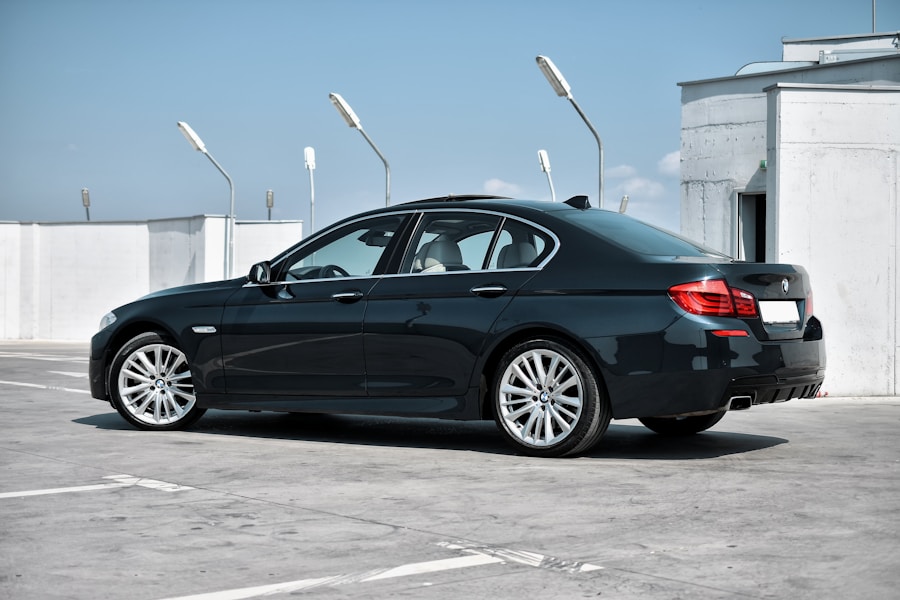
Safety has always been a priority for BMW, and the 3 Series is no exception. The latest models come equipped with an array of advanced safety features designed to protect occupants and prevent accidents. Standard features include multiple airbags, stability control systems, and anti-lock brakes that work together to provide peace of mind on every journey.
The G20 generation introduces several driver assistance technologies that elevate safety standards even further. Features such as Active Cruise Control with Stop & Go functionality allow for semi-autonomous driving in certain conditions by maintaining a safe distance from vehicles ahead. Lane Departure Warning and Lane Keeping Assist help ensure that drivers remain within their lanes on highways or busy roads.
Parking assistance technologies have also been enhanced in recent models. The Parking Assistant feature can automatically steer the vehicle into parking spaces while providing visual and audible alerts to assist drivers during parking maneuvers. This technology significantly reduces stress when navigating tight urban environments or crowded parking lots.
Moreover, BMW’s commitment to safety extends beyond just active features; structural integrity is paramount in their design philosophy. The use of high-strength materials in key areas of the vehicle enhances crash protection while maintaining performance characteristics.
BMW 3 Series: Driving Dynamics and Handling
One of the defining characteristics of the BMW 3 Series is its exceptional driving dynamics. The combination of rear-wheel drive (or all-wheel drive in xDrive models), precise steering feedback, and well-tuned suspension systems creates an engaging driving experience that sets it apart from competitors in its class. The suspension setup varies across different models but generally includes MacPherson struts at the front and a multi-link rear suspension that provides excellent handling capabilities without compromising ride comfort.
This balance allows drivers to enjoy spirited drives on winding roads while still feeling comfortable during daily commutes. The integration of technologies such as Dynamic Stability Control (DSC) enhances handling by monitoring wheel slip and adjusting power delivery accordingly. This feature ensures optimal traction during challenging driving conditions while allowing for spirited cornering without compromising safety.
For enthusiasts seeking even more performance-oriented dynamics, the M340i variant offers an adaptive suspension system that adjusts damping characteristics based on driving conditions. This feature allows drivers to switch between comfort-oriented settings for everyday use or sportier configurations for more spirited driving experiences. Additionally, feedback from steering systems is finely tuned to provide drivers with confidence-inspiring control at all speeds.
Whether navigating city streets or tackling mountain passes, the BMW 3 Series delivers an exhilarating connection between driver and machine.
The Legacy of the BMW 3 Series
The legacy of the BMW 3 Series is one of innovation, performance, and enduring appeal. Over nearly five decades, it has evolved into one of the most recognized names in automotive history while consistently setting standards for others to follow. Each generation has built upon its predecessor’s strengths while introducing new technologies that enhance both performance and comfort.
As we look toward the future, the BMW 3 Series continues to adapt to changing consumer demands with hybrid options and advanced driver assistance technologies that prioritize safety without sacrificing driving pleasure. Its commitment to sustainability reflects broader industry trends while ensuring that enthusiasts can still enjoy the thrill of driving. In summary, whether you are drawn to its rich heritage or its modern advancements, the BMW 3 Series remains a symbol of what it means to drive a truly exceptional vehicle—one that balances luxury with performance in a way few others can match.
As it moves forward into an electrified future, one thing remains certain: the spirit of the BMW 3 Series will continue to inspire generations of drivers around the world.
If you’re interested in learning more about BMW vehicles, you may want to check out this article on the BMW website that provides a sample page showcasing different models and features. This article complements the comprehensive guide to the BMW 3 Series by offering additional information on various BMW vehicles. It’s a great resource for car enthusiasts looking to expand their knowledge of BMW’s lineup.
FAQs
What are the different generations of the BMW 3 Series?
The BMW 3 Series has gone through seven generations since its introduction in 1975. Each generation has brought significant changes and innovations to the model.
What are some of the key innovations in the BMW 3 Series?
The BMW 3 Series has been known for introducing several innovations in the automotive industry, including the use of turbocharged engines, advanced infotainment systems, and cutting-edge driver assistance technologies.
What are some of the most popular models in the BMW 3 Series lineup?
Some of the most popular models in the BMW 3 Series lineup include the 320i, 328i, 330i, and M3. These models have been praised for their performance, luxury, and driving dynamics.
How has the design of the BMW 3 Series evolved over the years?
The design of the BMW 3 Series has evolved from a boxy and angular look in the early generations to a more sleek and aerodynamic appearance in the later generations. The overall design language has also become more modern and sophisticated.
What are some of the performance features of the BMW 3 Series?
The BMW 3 Series is known for its powerful and responsive engines, precise handling, and balanced chassis. It has also offered a range of performance-oriented options such as sport-tuned suspensions and high-performance braking systems.