
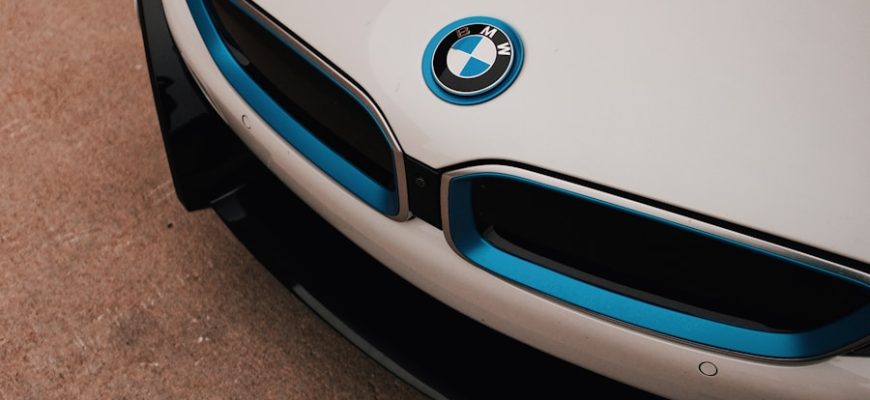
BMW, a name synonymous with luxury and performance, has long been at the forefront of automotive innovation. The brand’s commitment to pushing boundaries is vividly illustrated through its concept cars, which serve as a canvas for the company’s vision of the future. These vehicles are not merely prototypes; they embody the spirit of creativity and technological advancement that defines BMW.
From the sleek lines of the i8 to the futuristic design of the Vision Next 100, BMW concept cars have consistently captured the imagination of enthusiasts and industry experts alike. Concept cars are crucial for manufacturers as they provide a glimpse into potential future models and technologies. They allow designers and engineers to experiment with new ideas without the constraints of production feasibility.
For BMW, these concepts are a reflection of its core values: performance, sustainability, and innovation. By showcasing their vision through these vehicles, BMW not only sets trends but also influences the direction of the entire automotive industry.
- Key Takeaways
- The Birth of the BMW Concept Car
- Revolutionary BMW Concepts That Shaped the Industry
- BMW Innovation: Changing the Game
- Impact of BMW Concept Cars on the Automotive Industry
- The Legacy of BMW Concept Cars
- Reflecting Societal Trends and Technological Advancements
- A Glimpse into the Future
- Redefining the Role of Cars in Society
- Future of BMW Concepts
- BMW’s Continued Influence on the Industry
- FAQs
- What are BMW concepts?
- How have BMW concepts changed the industry?
- Can you give examples of BMW concepts that have had a significant impact on the industry?
- What are some key features of BMW concepts?
- How do BMW concepts influence the future of automotive design and engineering?
Key Takeaways
- BMW concept cars represent the cutting-edge design and technology of the brand.
- The birth of BMW concept cars can be traced back to the 1972 BMW Turbo, which set the stage for future innovation.
- Revolutionary BMW concepts like the i8 and Vision Next 100 have pushed the boundaries of automotive design and sustainability.
- BMW’s innovation in electric and autonomous vehicles has changed the game for the entire industry.
- BMW concept cars have had a significant impact on the automotive industry, influencing design and technology trends.
The Birth of the BMW Concept Car
The journey of BMW concept cars began in the early 20th century, with the company’s roots tracing back to aircraft engine manufacturing in 1916. However, it wasn’t until the 1930s that BMW began to explore automotive design in earnest. The BMW 328, introduced in 1936, was a significant milestone that showcased the brand’s engineering prowess and aesthetic sensibility.
This model laid the groundwork for future innovations and established BMW as a serious player in the automotive world. The first official concept car from BMW emerged in 1972 with the unveiling of the BMW E1 at the Munich Olympics. This electric vehicle was revolutionary for its time, featuring a lightweight design and innovative materials.
Although it never made it to production, the E1 set the stage for BMW’s ongoing exploration of electric mobility. The concept car’s introduction marked a pivotal moment in BMW’s history, demonstrating its willingness to embrace new technologies and ideas long before they became mainstream.
Revolutionary BMW Concepts That Shaped the Industry
Throughout its history, BMW has introduced several groundbreaking concept cars that have not only defined its brand identity but also influenced automotive design globally. One of the most notable examples is the BMW Z1, unveiled in 1987. This roadster featured innovative sliding doors and a unique plastic body that challenged traditional automotive materials.
The Z1’s design philosophy emphasized both form and function, paving the way for future roadsters and sports cars. Another significant concept was the BMW GINA Light Visionary Model, introduced in 2008. This vehicle featured a flexible fabric skin that could change shape, allowing for dynamic aerodynamics and aesthetic appeal.
The GINA concept pushed the boundaries of traditional car design by integrating technology with artistry, showcasing how vehicles could evolve beyond rigid structures. Its influence can be seen in modern designs that prioritize adaptability and personalization.
BMW Innovation: Changing the Game
BMW’s commitment to innovation extends beyond aesthetics; it encompasses performance, sustainability, and technology integration. The introduction of the i Series in 2011 marked a significant shift towards electric mobility and sustainable practices. The i3 and i8 were not just vehicles; they represented a new philosophy in automotive engineering that prioritized eco-friendliness without sacrificing performance or luxury.
The i8, in particular, was a game-changer with its plug-in hybrid technology and striking design. It combined a turbocharged gasoline engine with an electric motor, delivering exhilarating performance while maintaining impressive fuel efficiency. This model demonstrated that sustainability could coexist with high-performance driving, setting a benchmark for competitors in the hybrid sports car segment.
Impact of BMW Concept Cars on the Automotive Industry
The influence of BMW concept cars extends far beyond their immediate designs; they have shaped industry standards and consumer expectations. By consistently introducing forward-thinking concepts, BMW has encouraged other manufacturers to innovate and explore new technologies. The emphasis on electric mobility seen in models like the i3 has prompted competitors to accelerate their own electric vehicle programs.
Moreover, BMW’s focus on user experience has set a precedent for integrating technology into vehicles. Features such as gesture control and advanced infotainment systems first seen in concept cars have become standard in many modern vehicles across various brands. This shift towards enhancing driver interaction with technology reflects a broader trend within the industry, driven largely by BMW’s pioneering efforts.
The Legacy of BMW Concept Cars
Reflecting Societal Trends and Technological Advancements
The designs often reflect societal trends and technological advancements, making them relevant not just as vehicles but as cultural artifacts.
A Glimpse into the Future
For instance, the Vision Next 100 concept car introduced in 2016 celebrated BMW’s centenary by showcasing a future where autonomous driving and connectivity are paramount. This vehicle encapsulated the brand’s forward-thinking ethos while paying homage to its storied past.
Redefining the Role of Cars in Society
The Vision Next 100 is not just about what cars will look like; it represents how they will function within society, emphasizing safety, convenience, and sustainability.
Future of BMW Concepts
Looking ahead, BMW continues to invest heavily in research and development to ensure its concept cars remain at the cutting edge of technology and design. The company is focusing on electrification, automation, and connectivity as key pillars for future models. Upcoming concepts are expected to feature advanced AI systems that enhance driving experiences while prioritizing safety and efficiency.
Additionally, sustainability will play an increasingly vital role in BMW’s future concepts. The brand aims to achieve carbon neutrality by 2050, which will influence not only vehicle design but also manufacturing processes and supply chain management. As consumer demand shifts towards greener alternatives, BMW is poised to lead this transition with innovative concepts that align with environmental goals.
BMW’s Continued Influence on the Industry
BMW’s legacy in automotive innovation is firmly established through its groundbreaking concept cars that have shaped both its identity and the broader industry landscape. By continually pushing boundaries and embracing new technologies, BMW has set standards that others strive to meet. The brand’s commitment to performance, sustainability, and user experience ensures that it will remain a leader in automotive innovation for years to come.
As we look toward an increasingly electrified and automated future, BMW’s concept cars will undoubtedly continue to inspire both consumers and competitors alike. With each new unveiling, BMW reaffirms its position as a pioneer in automotive design and technology, ensuring that its influence will be felt long into the future.
One related article to BMW Concepts That Changed the Industry is “The Evolution of BMW Design” which can be found on the BMW website here. This article delves into the history of BMW’s design philosophy and how it has evolved over the years to shape the iconic look of their vehicles. It provides insight into the innovative thinking behind BMW’s design concepts and how they have influenced the automotive industry as a whole.
FAQs
What are BMW concepts?
BMW concepts are innovative and visionary designs created by BMW to showcase new technologies, design elements, and ideas for the future of automotive industry.
How have BMW concepts changed the industry?
BMW concepts have changed the industry by introducing groundbreaking technologies, design elements, and sustainability initiatives that have influenced the direction of automotive design and engineering.
Can you give examples of BMW concepts that have had a significant impact on the industry?
Some examples of BMW concepts that have had a significant impact on the industry include the BMW i8, BMW Vision EfficientDynamics, and BMW GINA Light Visionary Model, which have introduced new technologies, materials, and design concepts that have influenced the industry.
What are some key features of BMW concepts?
Key features of BMW concepts include innovative technologies such as electric and hybrid powertrains, advanced materials like carbon fiber and sustainable design elements that prioritize efficiency and environmental impact.
How do BMW concepts influence the future of automotive design and engineering?
BMW concepts influence the future of automotive design and engineering by showcasing new technologies, materials, and design elements that inspire and influence the direction of the industry, leading to the development of more sustainable and innovative vehicles.