

The automotive landscape is undergoing a seismic shift as electric vehicles (EVs) gain traction in the global market. With increasing concerns over climate change, air quality, and fossil fuel dependency, manufacturers are pivoting towards sustainable alternatives. The rise of electric vehicles is not merely a trend; it represents a fundamental change in how we think about transportation.
Governments worldwide are implementing stricter emissions regulations, while consumers are becoming more environmentally conscious, driving demand for cleaner, greener options. This shift has led to significant investments in EV technology, infrastructure, and battery development, setting the stage for a new era in mobility. As a result, traditional automakers are racing to catch up with pioneers like Tesla, which has established itself as a leader in the electric vehicle sector.
Companies like BMW are not just adapting; they are innovating, creating electric models that blend performance, luxury, and sustainability. The introduction of models like the BMW i4 signifies a commitment to electrification while maintaining the brand’s hallmark driving dynamics. This article will delve into the BMW i4 and its competitor, the Tesla Model 3, exploring their features, performance, and overall value in the burgeoning electric vehicle market.
- Key Takeaways
- BMW i4: A Closer Look at the Electric Sedan
- Tesla Model 3: A Pioneer in the Electric Car Market
- Performance and Range: Comparing the BMW i4 and Tesla Model 3
- Interior and Technology: BMW i4 vs Tesla Model 3
- Charging Infrastructure: The Battle Between BMW and Tesla
- Price and Value: Which Electric Vehicle Offers the Best Bang for Your Buck?
- The Future of Electric Vehicles and the BMW i4 vs Tesla Model 3 Showdown
- FAQs
- What are the key differences between the BMW i4 and the Tesla Model 3?
- How do the performance and range compare between the BMW i4 and the Tesla Model 3?
- What are the pricing differences between the BMW i4 and the Tesla Model 3?
- What are the key technology features of the BMW i4 and the Tesla Model 3?
- Which electric sedan is better for long-distance driving, the BMW i4 or the Tesla Model 3?
Key Takeaways
- The rise of electric vehicles is transforming the automotive industry, with BMW and Tesla leading the charge.
- The BMW i4 is a sleek and powerful electric sedan that offers a luxurious driving experience.
- The Tesla Model 3 is a pioneer in the electric car market, known for its impressive range and performance.
- When comparing the BMW i4 and Tesla Model 3, the performance and range of both vehicles are key factors to consider.
- The interior and technology of the BMW i4 and Tesla Model 3 showcase the innovative features that make electric vehicles stand out.
BMW i4: A Closer Look at the Electric Sedan
The BMW i4 is a striking representation of the brand’s commitment to electrification. Launched in 2021, this electric sedan combines the elegance of a traditional BMW with cutting-edge technology and performance capabilities. The i4 is built on the same platform as the 4 Series Gran Coupe, ensuring that it retains the sporty aesthetics and driving dynamics that BMW enthusiasts expect.
With its sleek lines and aggressive stance, the i4 is designed to turn heads while offering a spacious interior that prioritizes comfort and functionality. Under the hood, the i4 boasts impressive specifications. The i4 eDrive40 variant features a single electric motor producing 335 horsepower, allowing it to accelerate from 0 to 60 mph in just 5.7 seconds.
For those seeking even more performance, the i4 M50 variant offers dual motors with a combined output of 536 horsepower, achieving the same sprint in a blistering 3.9 seconds. The i4 also comes equipped with an 83.9 kWh battery pack, providing an estimated range of up to 300 miles on a single charge. This combination of performance and range positions the i4 as a formidable contender in the electric sedan market.
Tesla Model 3: A Pioneer in the Electric Car Market
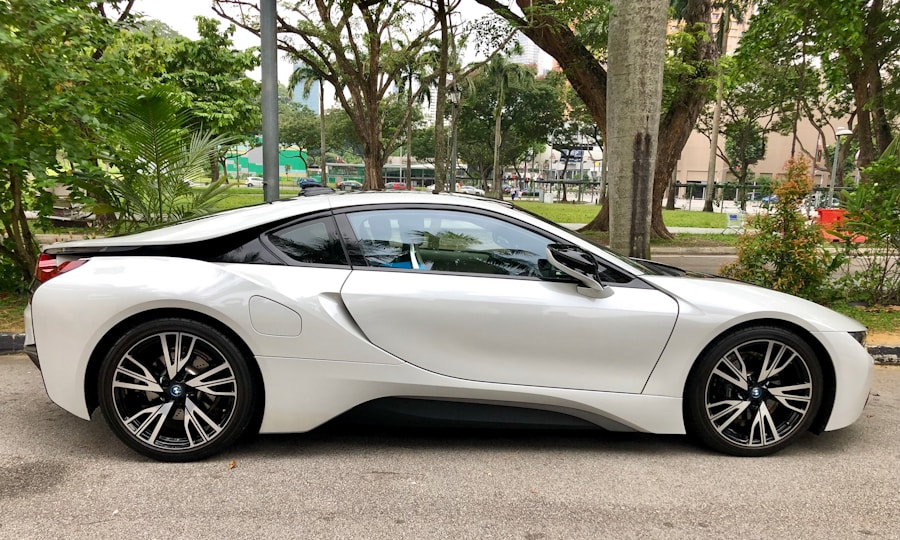
The Tesla Model 3 has become synonymous with electric vehicles since its launch in 2017. As Tesla’s most affordable model, it has played a crucial role in making electric cars accessible to a broader audience. The Model 3’s success can be attributed to its innovative technology, impressive performance metrics, and extensive charging network.
With over a million units sold globally, it has set benchmarks for what consumers expect from an electric vehicle. Tesla’s approach to design and functionality is evident in the Model 3’s minimalist interior and advanced technology features. The cabin is dominated by a large touchscreen interface that controls nearly all vehicle functions, from navigation to climate control.
This focus on technology extends to its Autopilot feature, which offers advanced driver-assistance capabilities that have redefined expectations for safety and convenience in modern vehicles. The Model 3 is available in several configurations, including Standard Range Plus and Long Range variants, catering to different consumer needs while maintaining Tesla’s reputation for performance.
Performance and Range: Comparing the BMW i4 and Tesla Model 3
When it comes to performance and range, both the BMW i4 and Tesla Model 3 offer compelling options for electric vehicle enthusiasts. The i4 M50 stands out with its dual-motor setup that delivers exhilarating acceleration and dynamic handling characteristics typical of BMW’s performance lineage. In contrast, the Tesla Model 3 Performance variant also features dual motors and can achieve similar acceleration times, clocking in at just 3.1 seconds from 0 to 60 mph.
In terms of range, both vehicles are competitive but cater to different driving styles. The BMW i4 eDrive40 offers an estimated range of around 300 miles, while the Tesla Model 3 Long Range variant can achieve up to 353 miles on a single charge. This difference may influence potential buyers who prioritize long-distance travel or daily commuting needs.
However, it’s essential to consider that real-world range can vary based on driving habits, terrain, and weather conditions.
Interior and Technology: BMW i4 vs Tesla Model 3
The interiors of the BMW i4 and Tesla Model 3 reflect their respective brands’ philosophies regarding luxury and technology. The i4’s cabin is designed with premium materials and meticulous attention to detail, showcasing BMW’s commitment to craftsmanship. The layout is driver-centric, featuring a digital instrument cluster and a large curved display that integrates infotainment and navigation systems seamlessly.
The use of sustainable materials further emphasizes BMW’s dedication to eco-friendly practices without compromising luxury. On the other hand, the Tesla Model 3 takes a more minimalist approach to interior design. The absence of traditional buttons creates a clean aesthetic that appeals to tech-savvy consumers.
The central touchscreen serves as the command center for nearly all vehicle functions, which can be both intuitive and overwhelming for some users. While the Model 3 offers ample space for passengers and cargo, it lacks some of the high-end finishes found in the BMW i4. However, Tesla compensates with its advanced software updates that continually enhance vehicle functionality over time.
Charging Infrastructure: The Battle Between BMW and Tesla

Charging infrastructure is a critical factor influencing consumer decisions when choosing an electric vehicle. Tesla has established an extensive Supercharger network that spans across major highways and urban areas, making long-distance travel convenient for Model 3 owners. With fast charging capabilities that can replenish up to 175 miles of range in just 15 minutes, Tesla’s infrastructure is one of its strongest selling points.
In contrast, BMW is leveraging partnerships with various charging networks to enhance accessibility for i4 owners. While it may not have a proprietary network like Tesla’s Superchargers, BMW offers access to thousands of charging stations through its ChargeNow program. Additionally, many public charging stations support fast charging capabilities that can significantly reduce downtime for drivers on the go.
As both companies continue to expand their charging networks, consumers will benefit from increased convenience and accessibility.
Price and Value: Which Electric Vehicle Offers the Best Bang for Your Buck?
Pricing plays a pivotal role in determining which electric vehicle offers better value for consumers. The base price of the BMW i4 eDrive40 starts at around $56,000, while the high-performance M50 variant can exceed $65,000 depending on options and packages selected. In comparison, the Tesla Model 3 starts at approximately $40,000 for the Standard Range Plus model and can reach around $55,000 for the Performance variant.
While the initial cost of the Model 3 may be lower than that of the i4, potential buyers should consider factors such as performance capabilities, interior quality, and brand loyalty when evaluating value. Additionally, federal tax incentives for electric vehicles may further influence pricing dynamics for both models. Ultimately, consumers must weigh their priorities—whether they value luxury features or cutting-edge technology—to determine which vehicle aligns best with their needs.
The Future of Electric Vehicles and the BMW i4 vs Tesla Model 3 Showdown
As we look toward the future of electric vehicles, both the BMW i4 and Tesla Model 3 represent significant advancements in automotive technology and sustainability. Each model brings unique strengths to the table—BMW with its commitment to luxury and driving dynamics, and Tesla with its pioneering spirit and extensive charging infrastructure. The competition between these two electric sedans highlights not only their individual merits but also the broader evolution of the automotive industry as it embraces electrification.
In this showdown between two titans of electric mobility, consumers are presented with choices that cater to diverse preferences and lifestyles. Whether one prioritizes performance or technology, luxury or affordability, both vehicles exemplify how far electric vehicles have come—and how much further they can go as innovation continues to shape our roads. As manufacturers invest heavily in research and development for EVs, we can expect even more exciting advancements on the horizon that will redefine our understanding of what an electric vehicle can be.
In a recent article comparing the BMW i4 and Tesla Model 3 in an EV showdown, it was interesting to read about the different features and specifications of each electric vehicle. For further information on the BMW i4, readers can check out this article which delves deeper into the performance and design of the i4. Additionally, for more insights on the Tesla Model 3, this article provides a comprehensive analysis of the Model 3’s technology and driving experience.
FAQs
What are the key differences between the BMW i4 and the Tesla Model 3?
The BMW i4 is a fully electric sedan with a sleek design and luxurious interior, while the Tesla Model 3 is also a fully electric sedan known for its performance and range. The i4 offers a more traditional luxury car experience, while the Model 3 is known for its minimalist interior and advanced technology features.
How do the performance and range compare between the BMW i4 and the Tesla Model 3?
The BMW i4 is available in different configurations, with the top model offering over 500 horsepower and a range of up to 300 miles. The Tesla Model 3 Performance model offers over 450 horsepower and a range of up to 353 miles, making it slightly more powerful and offering a longer range than the i4.
What are the pricing differences between the BMW i4 and the Tesla Model 3?
The BMW i4 is positioned as a luxury electric sedan and is expected to have a higher starting price compared to the Tesla Model 3, which is known for its more affordable pricing. The exact pricing for the i4 has not been announced yet, but it is expected to be higher than the Model 3.
What are the key technology features of the BMW i4 and the Tesla Model 3?
Both the BMW i4 and the Tesla Model 3 come with advanced technology features, including large infotainment screens, driver assistance systems, and over-the-air software updates. The Tesla Model 3 is known for its Autopilot system, while the BMW i4 is expected to offer advanced driver assistance features as well.
Which electric sedan is better for long-distance driving, the BMW i4 or the Tesla Model 3?
Both the BMW i4 and the Tesla Model 3 offer long-range versions that are suitable for long-distance driving. The Tesla Model 3 currently offers a longer range compared to the i4, but the i4 is expected to offer competitive range and fast charging capabilities for long-distance travel.