

BMW, or Bayerische Motoren Werke AG, has long been synonymous with performance, luxury, and cutting-edge technology. Founded in 1916, the company initially produced aircraft engines before transitioning to motorcycles and automobiles. This evolution laid the groundwork for BMW’s reputation as a pioneer in automotive innovation.
The brand’s commitment to engineering excellence and forward-thinking design has not only shaped its own vehicles but has also influenced the entire automotive industry. From the introduction of turbocharged engines to advancements in electric mobility, BMW has consistently pushed the boundaries of what is possible in automotive technology. The impact of BMW on automotive innovation can be seen in various aspects of vehicle design and performance.
The company has a rich history of integrating advanced technologies that enhance driving dynamics, safety, and environmental sustainability. As a result, BMW has become a benchmark for competitors, setting standards that others strive to meet. This article will explore several key areas where BMW has made significant contributions, highlighting its role as a leader in the automotive sector and its ongoing commitment to shaping the future of mobility.
- Key Takeaways
- BMW’s Contribution to Lightweight Construction and Material Innovation
- BMW’s Pioneering Work in Electric and Hybrid Vehicles
- BMW’s Groundbreaking Development of Efficient Dynamics and Fuel Efficiency
- BMW’s Role in Advancing Driver Assistance and Autonomous Technology
- BMW’s Influence on Infotainment and Connectivity in Vehicles
- Revolutionizing In-Car Interaction
- Advanced Capabilities for Enhanced Convenience
- Prioritizing Safety and Convenience
- BMW’s Innovations in Sustainable and Eco-Friendly Manufacturing Processes
- BMW’s Ongoing Impact on Shaping the Future of Automotive Technology
- FAQs
- What are some of the key innovations introduced by BMW in the automotive world?
- How has BMW contributed to the advancement of electric vehicles?
- What impact has BMW’s turbocharged engine had on the automotive industry?
- How has BMW’s innovations in design influenced the automotive world?
- What role has BMW played in the development of autonomous driving technology?
Key Takeaways
- BMW has had a significant impact on automotive innovation, leading the way in various areas of technology and sustainability.
- BMW has made substantial contributions to lightweight construction and material innovation, revolutionizing the way vehicles are designed and built.
- The company has been a pioneer in the development of electric and hybrid vehicles, pushing the boundaries of sustainable mobility.
- BMW’s groundbreaking work in efficient dynamics and fuel efficiency has set new standards for environmentally friendly driving.
- BMW has played a crucial role in advancing driver assistance and autonomous technology, making significant strides in improving vehicle safety and convenience.
BMW’s Contribution to Lightweight Construction and Material Innovation
One of BMW’s most significant contributions to automotive engineering is its pioneering work in lightweight construction and material innovation. The introduction of the BMW 7 Series in 2001 marked a turning point with the use of aluminum in its chassis and body components. This shift not only reduced weight but also improved performance and fuel efficiency.
By utilizing lightweight materials such as carbon fiber reinforced plastic (CFRP) in models like the i3 and i8, BMW has demonstrated how innovative materials can enhance vehicle dynamics while reducing environmental impact. The use of CFRP is particularly noteworthy; it is significantly lighter than traditional steel yet offers comparable strength and rigidity. This innovation allows for more agile handling and improved acceleration without sacrificing safety.
The i8, for instance, showcases how lightweight construction can be harmoniously integrated with hybrid technology, resulting in a sports car that is both exhilarating to drive and environmentally conscious. BMW’s commitment to lightweight construction not only enhances performance but also sets a precedent for future vehicle designs across the industry.
BMW’s Pioneering Work in Electric and Hybrid Vehicles

BMW has been at the forefront of electric and hybrid vehicle development, recognizing early on the importance of sustainable mobility. The launch of the BMW i sub-brand in 2011 marked a significant milestone in the company’s commitment to electrification. The i3, an all-electric city car, and the i8, a plug-in hybrid sports car, exemplify BMW’s innovative approach to electric mobility.
These vehicles not only showcase advanced electric powertrains but also incorporate sustainable materials and production methods. The i3’s design reflects BMW’s vision for urban mobility, featuring a compact footprint and an efficient electric motor that delivers impressive range and performance. Meanwhile, the i8 combines a turbocharged gasoline engine with an electric motor, providing drivers with the thrill of a sports car while maintaining low emissions.
This dual approach to electrification demonstrates BMW’s understanding that consumers seek both performance and sustainability in their vehicles. As the automotive landscape continues to evolve, BMW remains committed to expanding its electric lineup, with plans for more fully electric models in the coming years.
BMW’s Groundbreaking Development of Efficient Dynamics and Fuel Efficiency
Efficient Dynamics is a hallmark of BMW’s engineering philosophy, aimed at maximizing fuel efficiency while enhancing driving pleasure. Introduced in 2007, this initiative encompasses a range of technologies designed to reduce emissions and improve overall vehicle efficiency without compromising performance. Key features include auto start-stop systems, regenerative braking, and lightweight construction techniques.
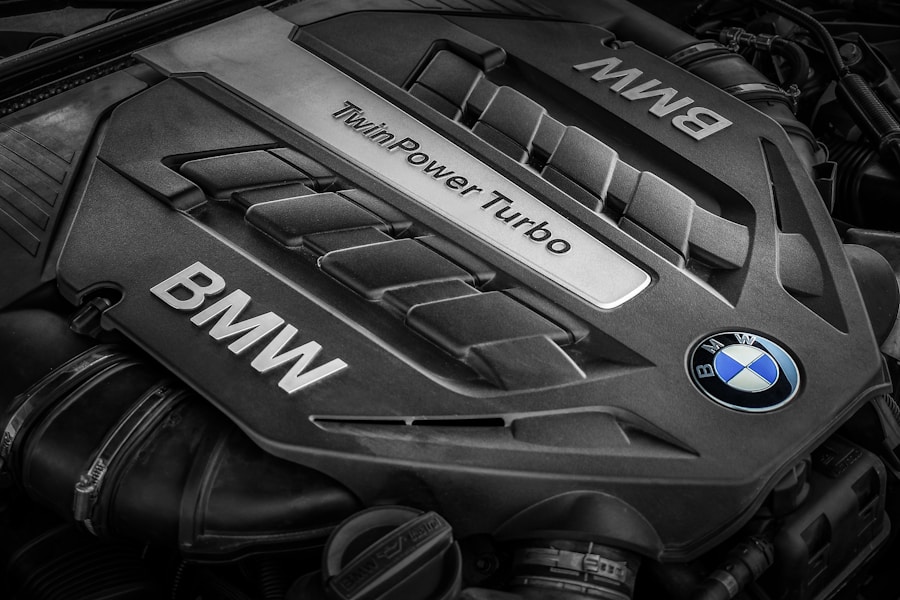
For example, the integration of regenerative braking allows energy typically lost during braking to be captured and stored for later use, improving overall efficiency. Additionally, BMW’s turbocharged engines provide more power from smaller displacement units, further enhancing fuel economy without sacrificing performance. The 3 Series models equipped with Efficient Dynamics technologies have consistently received accolades for their balance of power and efficiency, making them popular choices among consumers seeking both performance and sustainability.
BMW’s Role in Advancing Driver Assistance and Autonomous Technology
As the automotive industry moves toward greater automation, BMW has positioned itself as a leader in driver assistance technologies. The company has developed an array of systems designed to enhance safety and convenience on the road. Features such as adaptive cruise control, lane-keeping assistance, and parking assistance are now commonplace in many BMW models, showcasing the brand’s commitment to integrating advanced technology into everyday driving.
BMW’s approach to autonomous technology is characterized by a focus on driver engagement. Rather than simply removing the driver from the equation, BMW aims to create a symbiotic relationship between man and machine. The introduction of the BMW Personal CoPilot system exemplifies this philosophy, offering features that assist drivers while still allowing them to maintain control.
As regulations evolve and technology advances, BMW continues to invest in research and development to bring fully autonomous vehicles to market while ensuring that driving remains an enjoyable experience.
BMW’s Influence on Infotainment and Connectivity in Vehicles
Revolutionizing In-Car Interaction
The introduction of the iDrive system marked a significant milestone in the evolution of in-car technology. This innovative system provides drivers with intuitive access to navigation, entertainment, and vehicle settings through a central interface, revolutionizing the way they interact with their cars.
Advanced Capabilities for Enhanced Convenience
Over the years, iDrive has evolved into a sophisticated platform that integrates voice recognition, touch controls, and smartphone connectivity. The latest iterations of iDrive feature advanced capabilities such as real-time traffic updates, over-the-air software updates, and seamless integration with mobile devices through Apple CarPlay and Android Auto.
Prioritizing Safety and Convenience
BMW’s focus on connectivity not only enhances the driving experience but also keeps drivers informed and entertained on the go. Furthermore, the company’s commitment to user-friendly interfaces ensures that drivers can access essential functions without distraction, promoting safety while enhancing convenience.
BMW’s Innovations in Sustainable and Eco-Friendly Manufacturing Processes
BMW recognizes that sustainability extends beyond vehicle design; it encompasses manufacturing processes as well. The company has implemented numerous initiatives aimed at reducing its environmental footprint throughout production. For instance, the Leipzig plant produces the i3 using renewable energy sources, demonstrating BMW’s commitment to eco-friendly manufacturing practices.
Additionally, BMW has invested in closed-loop recycling systems that allow for the reuse of materials from end-of-life vehicles. This approach not only conserves resources but also minimizes waste generated during production. By prioritizing sustainability in its manufacturing processes, BMW sets an example for other automakers while reinforcing its commitment to environmental stewardship.
BMW’s Ongoing Impact on Shaping the Future of Automotive Technology
BMW’s legacy as an innovator in the automotive industry is firmly established through its contributions across various domains—from lightweight construction to electric mobility and advanced driver assistance systems. As the company continues to evolve, its focus on sustainability and technological advancement remains unwavering. With plans for further electrification and continued investment in autonomous technologies, BMW is poised to shape the future of mobility.
The brand’s commitment to blending performance with environmental responsibility ensures that it will remain at the forefront of automotive innovation for years to come. As consumers increasingly prioritize sustainability alongside performance, BMW’s ongoing efforts will likely resonate with a new generation of drivers seeking both excitement and eco-consciousness in their vehicles. In this ever-changing landscape, BMW stands as a beacon of innovation—continuously redefining what is possible in automotive technology while remaining true to its core values of performance and luxury.
One related article to BMW Innovations That Shaped the Automotive World is “Test Post Two” which discusses the latest advancements in BMW technology and design. To learn more about BMW’s cutting-edge innovations, you can read the article here.
FAQs
What are some of the key innovations introduced by BMW in the automotive world?
BMW has introduced several key innovations that have shaped the automotive world, including the introduction of the first electric car, the BMW i3, and the development of the first turbocharged engine in a production car, the BMW 2002 Turbo.
How has BMW contributed to the advancement of electric vehicles?
BMW has been a pioneer in the development of electric vehicles, with the introduction of the BMW i3, which was the first mass-produced car to use carbon-fiber-reinforced polymer as a primary structure. This innovation has helped to make electric vehicles more lightweight and efficient.
What impact has BMW’s turbocharged engine had on the automotive industry?
The introduction of the turbocharged engine in the BMW 2002 Turbo marked a significant advancement in automotive technology, as it was the first production car to feature a turbocharged engine. This innovation has since become a standard feature in many modern vehicles, contributing to improved performance and fuel efficiency.
How has BMW’s innovations in design influenced the automotive world?
BMW has been known for its innovative and iconic design elements, such as the kidney grille and Hofmeister kink. These design features have not only become synonymous with the BMW brand but have also influenced the design of many other vehicles in the automotive industry.
What role has BMW played in the development of autonomous driving technology?
BMW has been at the forefront of developing autonomous driving technology, with the introduction of features such as the Parking Assistant and Traffic Jam Assistant. These innovations have paved the way for the advancement of autonomous driving technology in the automotive industry.