

BMW has long been synonymous with innovation and luxury in the automotive world, and its advancements in lighting technology are no exception. Among these innovations, BMW laser headlights stand out as a remarkable leap forward in automotive lighting. Introduced in 2014 with the BMW i8, laser headlights represent a significant evolution in how vehicles illuminate the road ahead.
These headlights not only enhance visibility but also embody BMW’s commitment to sustainability and cutting-edge technology. As we delve into the intricacies of BMW laser headlights, we will explore their evolution, advantages, safety features, underlying technology, and their future in the automotive landscape. The introduction of laser headlights marked a pivotal moment for BMW, showcasing the brand’s dedication to pushing boundaries.
Unlike traditional halogen or even LED headlights, laser lights utilize a different approach to illumination that offers numerous benefits. This technology is not merely an aesthetic upgrade; it fundamentally changes how drivers experience nighttime driving and enhances overall vehicle performance. As we explore the evolution of BMW headlights, it becomes clear that laser technology is a natural progression in the brand’s quest for excellence.
- Key Takeaways
- The Evolution of BMW Headlights
- The Advantages of BMW Laser Lighting
- How BMW Laser Headlights Improve Safety
- The Technology Behind BMW Laser Lights
- The Future of BMW Lighting
- Comparing BMW Laser Lights to Traditional Headlights
- The Impact of BMW Laser Headlights on the Automotive Industry
- FAQs
- What are BMW laser headlights?
- How do BMW laser headlights work?
- What are the benefits of BMW laser headlights?
- Are BMW laser headlights safe for other drivers?
- Are BMW laser headlights legal?
Key Takeaways
- BMW Laser Headlights offer improved visibility and safety on the road.
- The evolution of BMW headlights has led to the development of advanced laser lighting technology.
- BMW Laser Lighting provides advantages such as longer visibility range and energy efficiency.
- BMW Laser Headlights improve safety by illuminating the road more effectively and reducing glare for oncoming drivers.
- The technology behind BMW Laser Lights involves the use of laser diodes and a phosphor converter to produce bright white light.
The Evolution of BMW Headlights
The journey of BMW headlights began with basic halogen bulbs, which dominated the automotive lighting scene for decades. These bulbs provided adequate illumination but were limited in efficiency and longevity. As technology advanced, BMW began to incorporate xenon headlights in the early 2000s, which offered brighter light output and improved visibility compared to their halogen predecessors.
Xenon lights became a hallmark of luxury vehicles, providing a cooler color temperature and greater range. However, the real game-changer came with the introduction of LED technology. BMW embraced LEDs for their energy efficiency, longevity, and versatility.
The first models equipped with LED headlights appeared in the 2008 BMW 7 Series, setting a new standard for luxury vehicles. LEDs allowed for more intricate designs and adaptive lighting systems that could adjust to driving conditions. This evolution paved the way for the next significant leap: laser headlights.
By integrating laser technology into their lighting systems, BMW not only enhanced visibility but also reduced energy consumption, aligning with modern sustainability goals.
The Advantages of BMW Laser Lighting
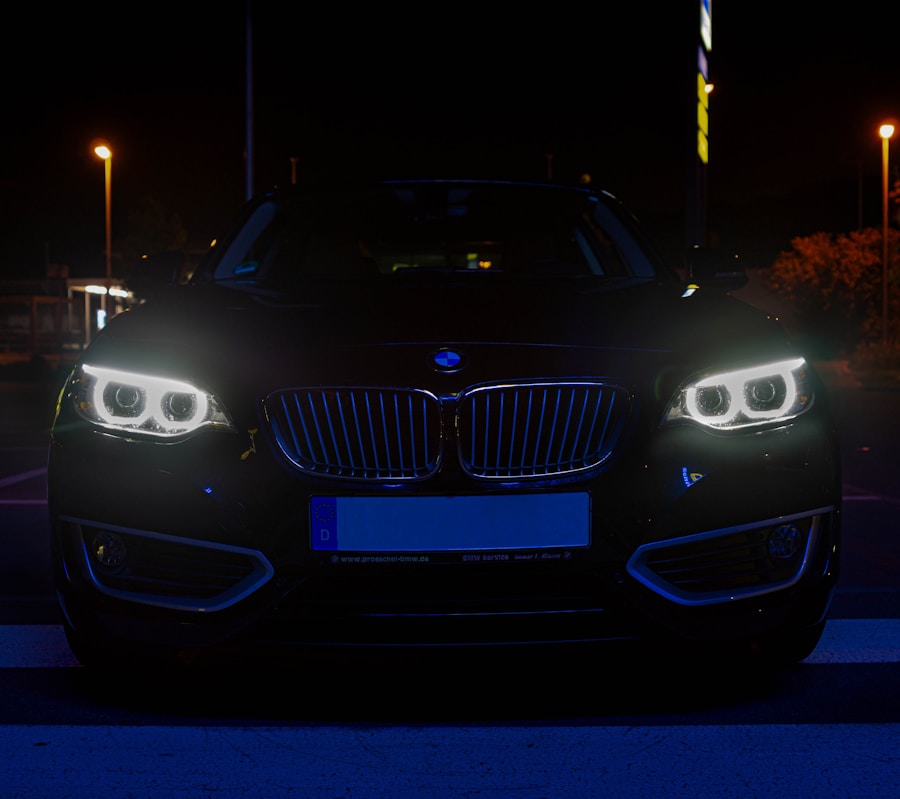
BMW laser headlights offer several advantages over traditional lighting systems, making them a compelling choice for discerning drivers. One of the most notable benefits is their exceptional brightness. Laser lights can produce up to four times more light than conventional LED systems while consuming significantly less energy.
This increased brightness translates to improved visibility at greater distances, allowing drivers to see obstacles and road signs much earlier. Another advantage is the compact size of laser diodes compared to traditional bulbs. This compactness allows for more creative design possibilities in vehicle styling, enabling sleeker and more aerodynamic shapes without compromising functionality.
Additionally, laser headlights have a longer lifespan than both halogen and LED lights, reducing maintenance costs and environmental impact over time. The combination of these factors positions BMW laser headlights as a premium option that enhances both performance and aesthetics.
How BMW Laser Headlights Improve Safety
Safety is paramount in automotive design, and BMW laser headlights contribute significantly to this aspect. The enhanced brightness and extended range of laser lights allow drivers to see further down the road, which is crucial for identifying potential hazards early. This capability is particularly beneficial on dark country roads or poorly lit urban environments where visibility can be compromised.
Moreover, BMW’s adaptive lighting technology works in tandem with laser headlights to optimize illumination based on driving conditions. For instance, when navigating curves or turns, the headlights can pivot to illuminate the road ahead more effectively. This feature not only improves visibility but also reduces glare for oncoming traffic, enhancing safety for all road users.
By prioritizing safety through innovative lighting solutions, BMW continues to set industry standards that other manufacturers strive to meet.
The Technology Behind BMW Laser Lights
The technology behind BMW laser headlights is both fascinating and complex. At the core of this system are laser diodes that emit a blue light when energized. This blue light is then converted into white light using a phosphor coating within the headlight assembly.
The result is a bright, white beam that closely resembles natural daylight, providing optimal visibility for drivers. The integration of advanced electronics allows for precise control over the intensity and direction of the light beam. This capability enables features such as adaptive high beam assist, which automatically adjusts the headlight’s brightness based on surrounding traffic conditions.
Additionally, BMW’s use of lightweight materials in the construction of these headlights contributes to overall vehicle efficiency by reducing weight without sacrificing performance.
The Future of BMW Lighting
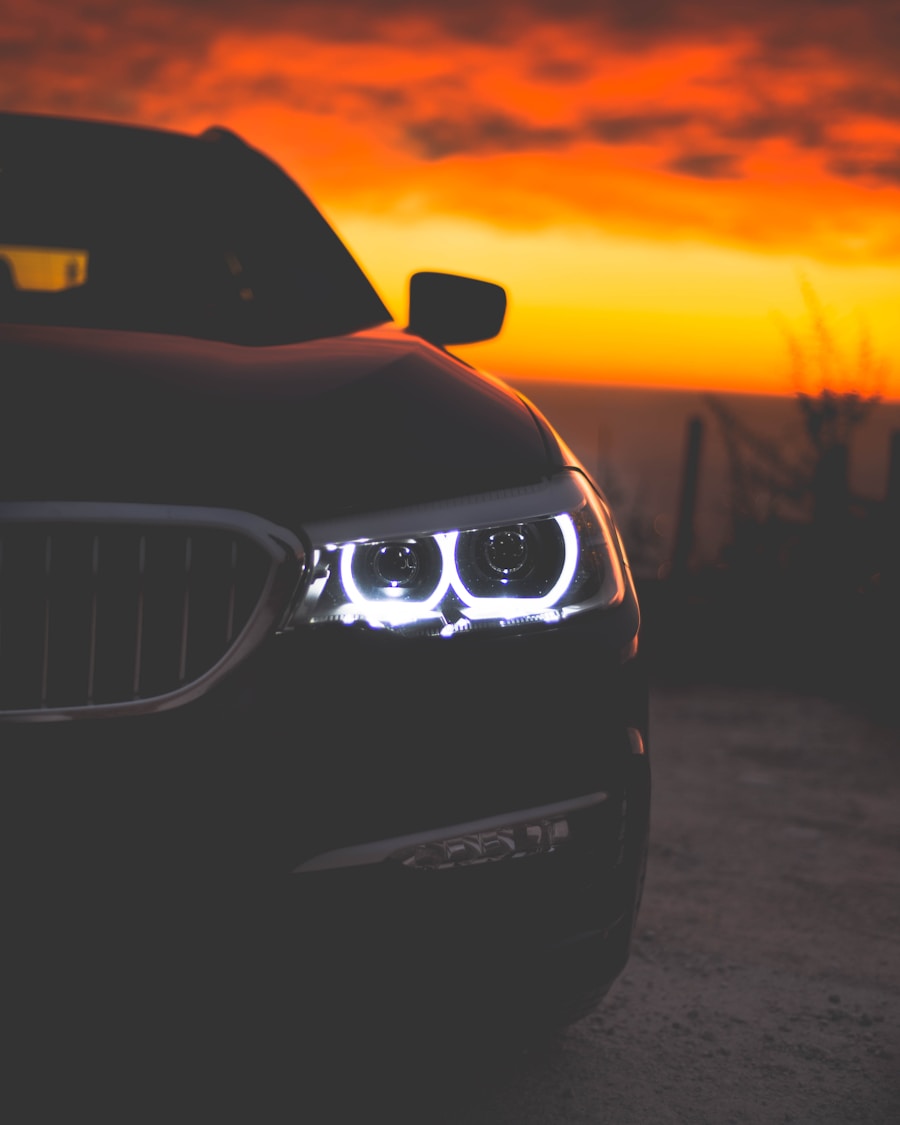
As automotive technology continues to evolve, so too does the potential for advancements in lighting systems. BMW is at the forefront of this evolution, exploring new possibilities such as OLED (Organic Light Emitting Diode) technology for future models. OLEDs offer unique advantages, including flexible designs and the ability to create intricate light patterns that enhance both aesthetics and functionality.
Furthermore, as autonomous driving technology progresses, lighting systems will play an increasingly critical role in vehicle communication with other road users. Future BMW models may incorporate dynamic lighting features that signal intentions to pedestrians or other drivers, enhancing safety and interaction on the road. The future of BMW lighting promises not only improved performance but also a deeper integration of technology that aligns with the brand’s vision of sustainable mobility.
Comparing BMW Laser Lights to Traditional Headlights
When comparing BMW laser lights to traditional headlights, several key differences emerge that highlight the advantages of this innovative technology. Traditional halogen headlights typically provide a warm yellow light that can be less effective in illuminating distant objects compared to the bright white light produced by laser systems. While xenon lights offer improved brightness over halogen options, they still fall short of the efficiency and range provided by laser technology.
In terms of energy consumption, laser headlights are significantly more efficient than both halogen and xenon systems. This efficiency not only translates into lower energy costs but also contributes to reduced emissions—a crucial factor in today’s environmentally conscious market. Additionally, the longevity of laser lights means less frequent replacements compared to traditional bulbs, further enhancing their appeal.
| Feature | Halogen Headlights | Xenon Headlights | LED Headlights | BMW Laser Headlights |
|————————|——————–|——————|—————-|———————–|
| Brightness | Moderate | High | Very High | Ultra High |
| Energy Efficiency | Low | Moderate | High | Very High |
| Lifespan | Short | Moderate | Long | Very Long |
| Design Flexibility | Limited | Moderate | High | Very High |
| Adaptive Features | No | Limited | Yes | Yes |
The Impact of BMW Laser Headlights on the Automotive Industry
The introduction of BMW laser headlights has had a profound impact on the automotive industry, setting new benchmarks for performance, safety, and design. By embracing cutting-edge technology and prioritizing sustainability, BMW has not only enhanced its own product offerings but has also influenced competitors to innovate in lighting solutions. The advantages of laser lighting—such as increased brightness, energy efficiency, and longevity—have redefined consumer expectations regarding vehicle illumination.
As we look toward the future, it is clear that BMW will continue to lead the charge in automotive lighting innovation. With ongoing advancements in technology and design possibilities, laser headlights are just one facet of a broader commitment to excellence that defines the brand. The legacy of BMW laser headlights will undoubtedly shape the future of automotive lighting and inspire new generations of vehicles that prioritize safety, performance, and sustainability on the road ahead.
If you’re interested in learning more about BMW’s innovative technology, you may want to check out this article on BMW’s Contact page. It provides valuable information on how to get in touch with BMW for inquiries or feedback. Additionally, you can also read about BMW’s terms of service on their Terms of Service page, which outlines the guidelines and policies for using their website and services. These resources can help you stay informed and engaged with BMW’s latest developments, such as their cutting-edge Laser Headlights.
FAQs
What are BMW laser headlights?
BMW laser headlights are a type of headlight technology that uses laser diodes to produce a brighter and more focused light than traditional LED or halogen headlights.
How do BMW laser headlights work?
BMW laser headlights work by using laser diodes to excite a phosphor material, which then emits a bright and white light. This light is then focused and directed using a series of mirrors and lenses to provide improved visibility for the driver.
What are the benefits of BMW laser headlights?
The benefits of BMW laser headlights include improved visibility at night, longer range of illumination, reduced energy consumption compared to traditional headlights, and the ability to dynamically adjust the light pattern to avoid dazzling other drivers.
Are BMW laser headlights safe for other drivers?
Yes, BMW laser headlights are designed to be safe for other drivers on the road. They include features such as adaptive light control and anti-dazzle high-beam assistant to prevent blinding oncoming traffic.
Are BMW laser headlights legal?
BMW laser headlights are legal in many countries, but regulations may vary. It’s important to check the specific regulations in your area to ensure compliance with local laws.