

The BMW M3 and M4 models represent the pinnacle of performance and luxury in the automotive world, embodying the spirit of the brand’s motorsport heritage. Launched as part of BMW’s M division, these vehicles are designed to deliver exhilarating driving experiences while maintaining everyday usability. The M3, traditionally a four-door sedan, and the M4, a two-door coupe, share a common platform and engineering excellence, yet they cater to slightly different audiences.
Both models are celebrated for their powerful engines, precise handling, and striking aesthetics, making them icons in the high-performance segment. Performance is at the heart of both the M3 and M4, with each model equipped with a robust powertrain that emphasizes speed and agility. The design of these vehicles is equally impressive, featuring aggressive lines, aerodynamic enhancements, and signature BMW styling cues.
Inside, the M3 and M4 boast luxurious materials and cutting-edge technology, ensuring that drivers enjoy both comfort and connectivity. With a rich history dating back to the 1980s, the M3 has evolved significantly over the years, while the M4 was introduced more recently in 2014 as a distinct model, further expanding BMW’s performance lineup.
- Key Takeaways
- Performance Comparison
- Shared Performance Capabilities
- Seamless Integration of Power and Technology
- Exceptional Handling and Driving Experience
- Design and Features
- Practicality and Comfort
- Driving Dynamics
- Pricing and Value
- Personalization and Customization
- Which One Is Right for You?
- FAQs
- What are the key differences between the BMW M3 and M4?
- How do the performance specs of the BMW M3 and M4 compare?
- What are the interior differences between the BMW M3 and M4?
- Which BMW model is right for me, the M3 or M4?
Key Takeaways
- BMW M3 and M4 offer high performance, sleek design, and advanced features
- Engine specs, handling, and acceleration capabilities are compared between the two models
- Exterior and interior design elements, as well as features and technology, are analyzed
- Practicality and comfort for daily driving, including seating capacity and cargo space, are evaluated
- Driving dynamics and handling characteristics on the road and track are compared
- Pricing, value proposition, standard features, and available options are discussed
- Customization options, aftermarket upgrades, and performance modifications are explored
- Recommendations are provided based on individual preferences and driving needs
Performance Comparison
Shared Performance Capabilities
When it comes to performance, the BMW M3 and M4 are nearly indistinguishable, sharing the same engine options and performance capabilities. Both models are powered by a 3.0-liter BMW M TwinPower Turbo inline 6-cylinder engine that produces an impressive 473 horsepower in the standard versions and up to 503 horsepower in the Competition variants. This power allows both cars to accelerate from 0 to 60 mph in just 4.1 seconds for the standard models and a blistering 3.8 seconds for the Competition versions.
Seamless Integration of Power and Technology
The seamless integration of power and technology ensures that drivers experience thrilling acceleration and responsiveness. Handling is another area where both models excel. Equipped with an adaptive M suspension system, they offer a perfect balance between comfort and sportiness.
Exceptional Handling and Driving Experience
The rear-wheel-drive configuration provides excellent traction and stability during spirited driving, while the optional xDrive all-wheel-drive system enhances grip in various conditions. The driving experience is further enhanced by precise steering feedback and a well-tuned chassis that allows for confident cornering. Whether navigating tight turns on a winding road or cruising on the highway, both the M3 and M4 deliver an engaging driving experience that is hard to match.
Design and Features
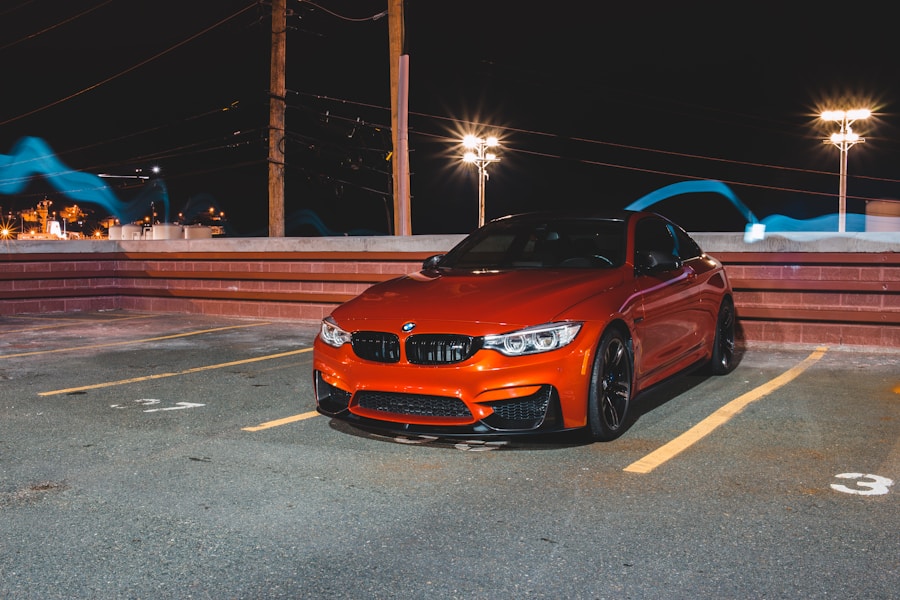
The exterior design of the BMW M3 and M4 is characterized by bold lines and aggressive styling that reflect their performance-oriented nature. The front fascia features a prominent kidney grille, flanked by sharp LED headlights that give both models an unmistakable presence on the road. The M-specific aerodynamic enhancements, such as larger air intakes and side skirts, not only improve performance but also contribute to their sporty aesthetic.
The coupe silhouette of the M4 adds an element of elegance, while the M3 maintains a more traditional sedan profile. Inside, both models offer a driver-focused cockpit that combines luxury with functionality. High-quality materials such as leather upholstery and carbon fiber accents create an upscale atmosphere.
The latest iDrive infotainment system provides intuitive access to navigation, entertainment, and vehicle settings through a large touchscreen display. Additionally, features like customizable ambient lighting and premium sound systems enhance the overall driving experience. While both models share many interior elements, subtle differences in layout and design cater to their unique identities.
Practicality and Comfort
In terms of practicality, the BMW M3 has an advantage due to its four-door configuration, making it more suitable for families or those who frequently transport passengers. With seating for up to five occupants, it offers ample legroom and headroom in both the front and rear seats. The trunk space is also generous for a performance vehicle, providing enough room for everyday items or weekend getaways.
The M4, while slightly less practical due to its two-door design, still offers a comfortable driving experience for two passengers with supportive sports seats that provide excellent bolstering during spirited driving. However, rear-seat access can be cumbersome for adults, making it less ideal for regular use as a family car. Cargo space in the M4 is also limited compared to the M3 but remains adequate for personal belongings or luggage for short trips.
Driving Dynamics
Driving dynamics are where the BMW M3 and M4 truly shine, showcasing BMW’s commitment to engineering excellence. Both models feature rear-wheel drive as standard, which enhances their agility and responsiveness on twisty roads. The optional xDrive all-wheel-drive system available on the Competition variants adds versatility by improving traction in various weather conditions without compromising the engaging driving experience.
On the road, both vehicles exhibit remarkable stability and control, thanks to their well-tuned suspensions and advanced chassis technology. The steering is precise and communicative, allowing drivers to feel connected to the road at all times. On the track, both models perform exceptionally well, with their powerful engines delivering exhilarating lap times while maintaining composure through corners.
Whether on a racetrack or navigating city streets, the driving dynamics of the M3 and M4 provide an unmatched level of excitement.
Pricing and Value
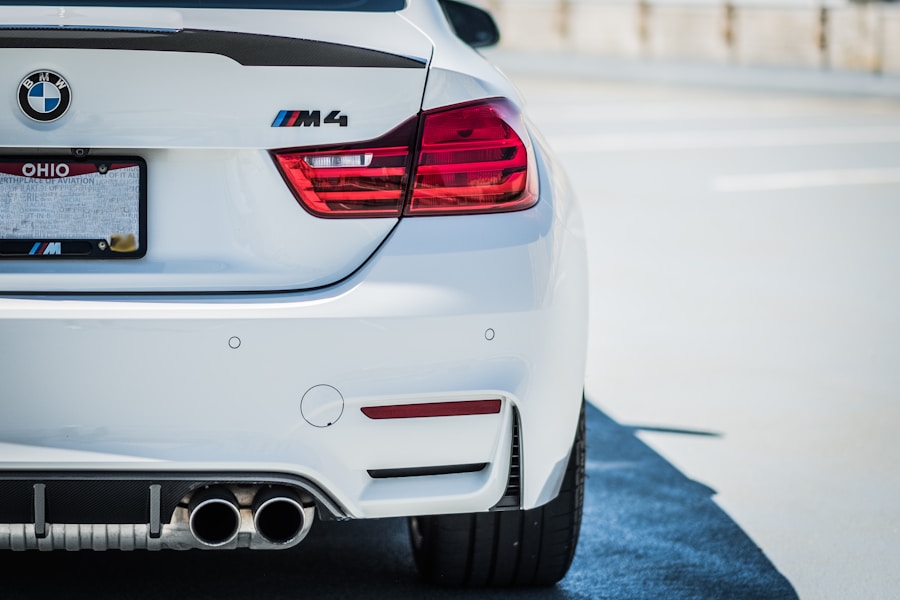
Pricing for the BMW M3 and M4 reflects their status as high-performance luxury vehicles. As of 2023, the base price for the M3 starts around $73,800, while the M4 begins at approximately $75,000. The Competition variants command a premium, with prices starting around $80,000 for the M3 Competition and $82,000 for the M4 Competition.
While these figures may seem steep compared to standard sedans or coupes, they are competitive within the high-performance segment when considering the advanced technology and engineering that goes into each model. Both models come well-equipped with standard features such as adaptive cruise control, advanced safety systems, and premium audio systems. Optional packages allow buyers to further enhance their vehicles with features like upgraded wheels, enhanced sound systems, or advanced driver assistance technologies.
The value proposition lies not only in performance but also in the overall ownership experience that includes BMW’s renowned service network and brand prestige.
Personalization and Customization
One of the standout aspects of owning a BMW M3 or M4 is the extensive personalization options available to buyers. BMW offers a range of exterior colors, interior materials, and trim packages that allow owners to tailor their vehicles to their tastes. From vibrant paint options like Sao Paulo Yellow to classic hues like Alpine White or Black Sapphire Metallic, there’s something for every preference.
Beyond factory options, many owners opt for aftermarket upgrades to enhance performance or aesthetics further. Popular modifications include upgraded exhaust systems for improved sound and performance tuning chips that can increase horsepower significantly. Suspension upgrades can also be made for those looking to lower their ride height or improve handling characteristics even further.
This culture of personalization ensures that each BMW M3 or M4 can be as unique as its owner.
Which One Is Right for You?
Choosing between the BMW M3 and M4 ultimately comes down to personal preference and intended use. If practicality is a priority—especially if you need rear-seat access or additional cargo space—the M3 is likely the better choice. Its four-door configuration makes it more versatile for daily driving while still delivering thrilling performance.
On the other hand, if you prefer a sportier aesthetic and are willing to sacrifice some practicality for style, the M4 offers an alluring coupe design that turns heads wherever it goes. Both models deliver exceptional performance, cutting-edge technology, and luxurious interiors that make them stand out in their class. In summary, whether you opt for the BMW M3 or M4 depends on your lifestyle needs and driving preferences.
Both vehicles embody BMW’s commitment to performance excellence while offering unique characteristics that cater to different tastes—ensuring that whichever model you choose will provide an exhilarating driving experience for years to come.
If you are considering purchasing a BMW M3 or M4, you may also be interested in learning more about the terms of service for BMW’s website. You can find more information by visiting their terms of service page. Understanding the terms and conditions can help you make an informed decision when choosing between these two high-performance vehicles.
FAQs
What are the key differences between the BMW M3 and M4?
The BMW M3 is a sedan, while the M4 is a coupe. The M3 has four doors and a longer wheelbase, while the M4 has two doors and a shorter wheelbase. Additionally, the M3 has a slightly higher roofline to accommodate rear passengers, while the M4 has a sleeker, more aggressive roofline.
How do the performance specs of the BMW M3 and M4 compare?
Both the BMW M3 and M4 are powered by the same engine, a 3.0-liter twin-turbocharged inline-6, producing 473 horsepower in standard form and 503 horsepower in the Competition models. Both models are available with either a 6-speed manual transmission or an 8-speed automatic transmission. The M3 and M4 also offer similar performance capabilities, with the M4 being slightly lighter and potentially offering slightly better handling.
What are the interior differences between the BMW M3 and M4?
The interior of the BMW M3 and M4 is largely similar, featuring high-quality materials, advanced technology, and a driver-focused layout. However, the M3’s longer wheelbase provides more rear legroom and a larger trunk, making it more practical for carrying passengers and cargo. The M4, on the other hand, offers a more intimate and sporty driving experience with its coupe design.
Which BMW model is right for me, the M3 or M4?
The choice between the BMW M3 and M4 ultimately comes down to personal preference and intended use. If you prioritize practicality and need the extra space for passengers and cargo, the M3 may be the better choice. If you prefer the sleeker, more aggressive styling of a coupe and prioritize a more intimate driving experience, the M4 may be the right option for you. Both models offer exceptional performance and driving dynamics, so it’s important to consider your specific needs and preferences when making a decision.