
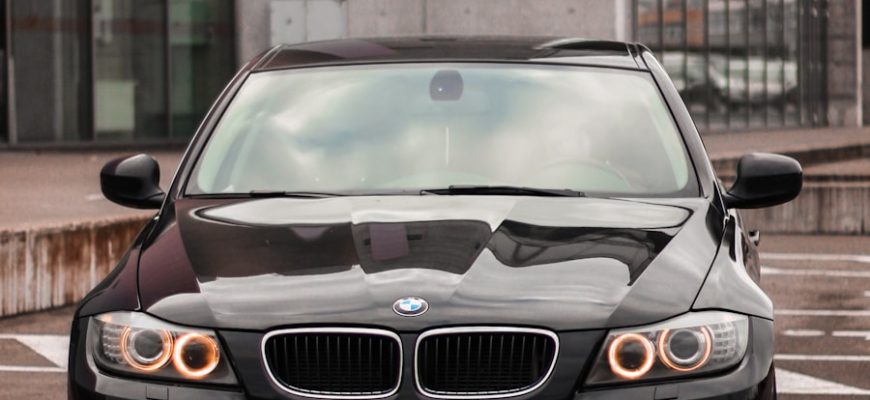
The BMW M5 stands as a paragon of performance in the luxury sedan segment, embodying the perfect blend of power, precision, and prestige. Since its inception in 1984, the M5 has consistently pushed the boundaries of what a sedan can achieve, transforming from a mere high-performance variant of the 5 Series into a formidable contender on both the road and racetrack. With each generation, BMW has refined the M5, integrating cutting-edge technology and engineering prowess to enhance its driving dynamics and overall appeal.
The allure of the M5 lies not only in its blistering speed but also in its ability to deliver a luxurious driving experience. It caters to enthusiasts who crave performance without sacrificing comfort or practicality. As we delve into the evolution of this iconic model, we will explore how it has earned its reputation as one of the fastest sedans in the world, examining its legacy, engineering innovations, and the competitive landscape it navigates.
- Key Takeaways
- The Evolution of the Fastest Sedan Title
- BMW M5: A Legacy of Performance
- The Engineering Behind the BMW M5
- The BMW M5’s Competition
- The Future of BMW Performance
- Electrification Takes Center Stage
- Instant Torque and Enhanced Acceleration
- Autonomous Driving Technology and the Future of Performance
- The BMW M5’s Impact on the Sedan Market
- Is the BMW M5 Truly the World’s Fastest Sedan?
- FAQs
- What is the BMW M5?
- Is the BMW M5 the world’s fastest sedan?
- What makes the BMW M5 so fast?
- What are some key features of the BMW M5?
- How does the BMW M5 compare to other high-performance sedans?
Key Takeaways
- The BMW M5 is a high-performance sedan known for its speed and luxury.
- The title of the fastest sedan has evolved over the years, with the BMW M5 consistently at the forefront.
- The BMW M5 has a legacy of delivering top-notch performance and driving experience.
- The engineering behind the BMW M5 is a combination of power, precision, and cutting-edge technology.
- The BMW M5 faces tough competition from other high-performance sedans, but continues to set the standard for speed and luxury.
The Evolution of the Fastest Sedan Title
The title of “fastest sedan” is not merely a marketing slogan; it is a badge of honor that the BMW M5 has worn with pride throughout its history. The first-generation M5, introduced in 1984, was powered by a 3.5-liter inline-six engine that produced 282 horsepower. This was groundbreaking for its time, allowing the M5 to sprint from 0 to 60 mph in just 6.0 seconds.
It was a revelation that set the stage for future iterations, establishing a benchmark for performance sedans. As technology advanced, so did the M5. The second generation, launched in 1988, featured a more powerful 3.6-liter engine that pushed output to 311 horsepower.
This model further solidified BMW’s commitment to performance, showcasing innovations such as a lightweight chassis and improved aerodynamics. The third generation, introduced in 1998, marked a significant leap with the introduction of a V8 engine that produced 394 horsepower, allowing it to compete with supercars of its era. With each new generation, BMW has not only increased horsepower but also refined handling characteristics and overall driving dynamics.
The fifth-generation M5, released in 2011, introduced turbocharging to the lineup, resulting in a staggering 560 horsepower from its 4.4-liter V8 engine. This evolution continued with the latest iteration, which boasts an impressive 600 horsepower and advanced all-wheel-drive technology, further cementing its status as one of the fastest sedans on the market.
BMW M5: A Legacy of Performance
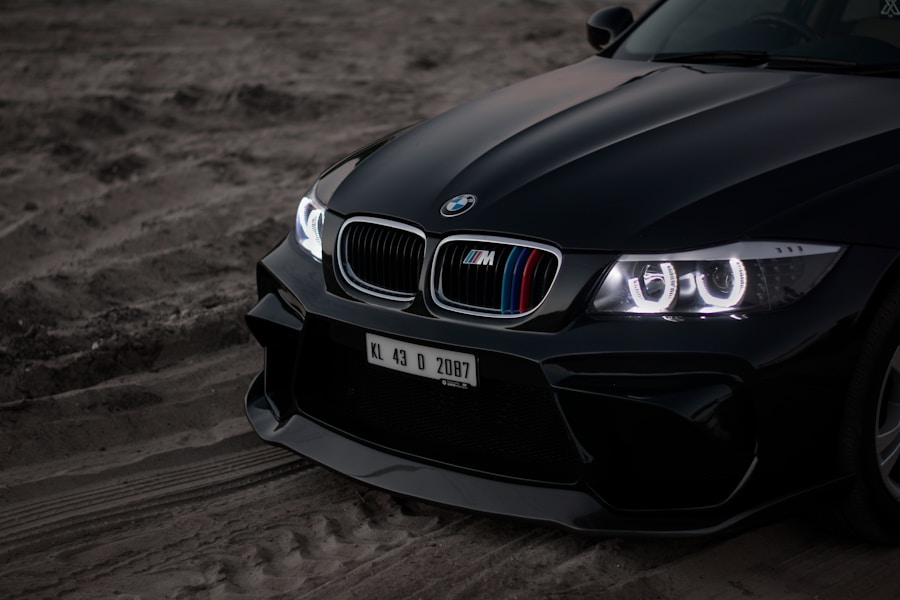
The legacy of the BMW M5 is built on a foundation of performance that resonates with automotive enthusiasts around the globe. Each generation has contributed to a rich history characterized by innovation and excellence. The M5 has not only been a benchmark for speed but also a symbol of BMW’s engineering capabilities and commitment to motorsport.
One of the most notable aspects of the M5’s legacy is its success on the racetrack. The M5 has participated in various motorsport events, showcasing its capabilities beyond mere street performance. For instance, the E34 M5 was used in touring car racing during the late 1980s and early 1990s, achieving significant success and further enhancing its reputation as a performance sedan.
Moreover, the M5 has consistently garnered accolades from automotive journalists and enthusiasts alike. It has been praised for its balance of power and handling, making it a favorite among those who appreciate spirited driving. The combination of luxury and performance has allowed the M5 to maintain its status as an aspirational vehicle for many, ensuring that it remains relevant in an ever-evolving automotive landscape.
The Engineering Behind the BMW M5
At the heart of the BMW M5’s performance lies an intricate web of engineering excellence that sets it apart from competitors. The development process for each M5 generation involves rigorous testing and refinement to ensure that every component contributes to an unparalleled driving experience. From the engine to the suspension system, every aspect is meticulously designed to deliver power and precision.
The latest M5 features a twin-turbocharged 4.4-liter V8 engine that produces an astonishing 600 horsepower and 553 lb-ft of torque. This powerhouse is paired with an eight-speed automatic transmission that provides seamless shifts and rapid acceleration. The integration of BMW’s xDrive all-wheel-drive system enhances traction and stability, allowing drivers to harness the full potential of the engine under various driving conditions.
In addition to raw power, the M5’s engineering emphasizes handling and agility. The chassis is constructed using lightweight materials such as aluminum and carbon fiber, which contribute to improved weight distribution and overall performance. The adaptive suspension system allows drivers to customize their driving experience, offering settings that range from comfortable cruising to track-ready stiffness.
This level of engineering sophistication ensures that the M5 remains not only fast but also incredibly responsive and engaging to drive.
The BMW M5’s Competition
In the realm of high-performance sedans, competition is fierce. The BMW M5 faces off against formidable rivals such as the Mercedes-AMG E63 S, Audi RS7, and Porsche Panamera Turbo. Each competitor brings unique strengths to the table, challenging the M5’s dominance in various aspects of performance and luxury.
The Mercedes-AMG E63 S is known for its brutal power delivery and luxurious interior. With a twin-turbocharged V8 engine producing up to 603 horsepower, it offers blistering acceleration and an engaging driving experience. However, while it excels in straight-line speed, some enthusiasts argue that it lacks the precise handling characteristics that define the M5.
On the other hand, Audi’s RS7 combines stunning design with impressive performance metrics. Its quattro all-wheel-drive system provides exceptional grip and stability, making it a strong contender in various driving conditions. However, some purists feel that it lacks the raw engagement found in BMW’s offerings.
Porsche’s Panamera Turbo represents another level of competition with its sports car-like handling and luxurious appointments. While it may not be classified strictly as a sedan due to its hatchback design, it offers an exhilarating driving experience that appeals to those seeking both performance and practicality.
The Future of BMW Performance
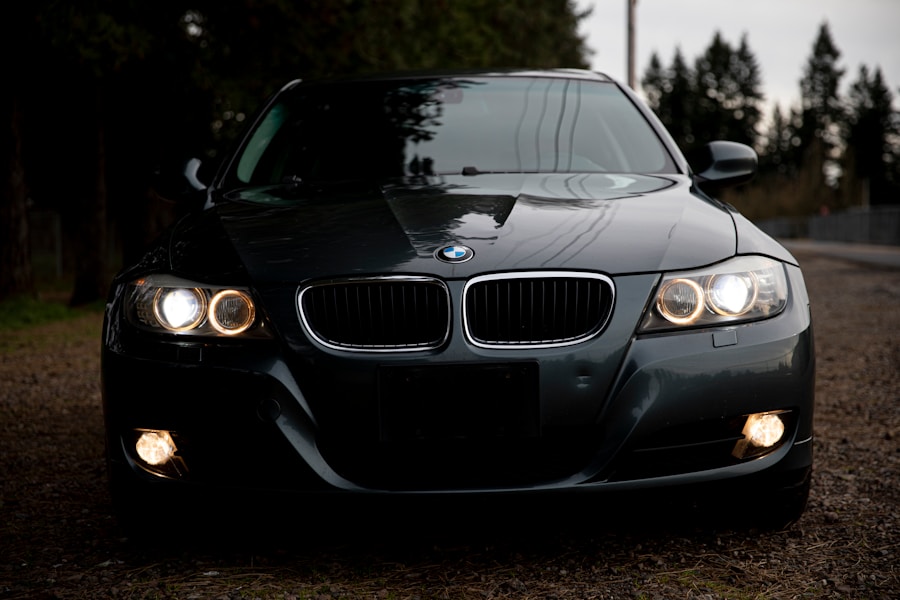
Electrification Takes Center Stage
With global regulations pushing for reduced emissions and improved fuel efficiency, BMW is investing heavily in hybrid and electric technologies. The upcoming generations of the M5 are expected to incorporate hybrid powertrains that combine traditional internal combustion engines with electric motors. This approach not only enhances performance but also improves fuel efficiency and reduces environmental impact.
Instant Torque and Enhanced Acceleration
The integration of electric motors can provide instant torque delivery, further enhancing acceleration and responsiveness. This means that future M5 models will not only be more environmentally friendly but also more exhilarating to drive.
Autonomous Driving Technology and the Future of Performance
Additionally, advancements in autonomous driving technology are likely to influence future iterations of the M5. While purists may be skeptical about self-driving capabilities in performance vehicles, BMW aims to strike a balance between driver engagement and technological innovation. Features such as adaptive cruise control and lane-keeping assistance may become standard in future models while still allowing drivers to enjoy an exhilarating experience behind the wheel.
The BMW M5’s Impact on the Sedan Market
The impact of the BMW M5 on the sedan market cannot be overstated. It has set benchmarks for performance that have influenced competitors and reshaped consumer expectations regarding what a luxury sedan can offer. The M5’s combination of speed, handling, and comfort has inspired other manufacturers to elevate their offerings in pursuit of similar accolades.
Moreover, the M5 has played a pivotal role in popularizing high-performance sedans among enthusiasts who may have previously gravitated toward sports cars or coupes. Its ability to deliver thrilling performance while accommodating families or business needs has broadened its appeal across demographics. The success of the M5 has also led to an expansion of BMW’s M division lineup, resulting in models like the M3 and M8 that share similar performance philosophies.
This diversification has allowed BMW to cater to various segments within the high-performance market while maintaining its reputation for excellence.
Is the BMW M5 Truly the World’s Fastest Sedan?
Determining whether the BMW M5 is truly the world’s fastest sedan involves more than just comparing numbers; it requires an appreciation for what this iconic vehicle represents within automotive culture. While there are competitors that may claim faster acceleration times or higher top speeds, few can match the overall package offered by the M5. The combination of luxury, technology, and exhilarating performance makes it a standout choice for those seeking a high-performance sedan that doesn’t compromise on comfort or practicality.
As we look ahead to future generations that will embrace electrification and advanced technologies, one thing remains clear: the legacy of the BMW M5 will continue to evolve while maintaining its status as a benchmark in performance sedans. In conclusion, whether you view it as a symbol of engineering excellence or simply as an exhilarating driving machine, there’s no denying that the BMW M5 holds a special place in automotive history — one that will undoubtedly continue to inspire future generations of performance vehicles.
If you’re interested in learning more about the performance capabilities of BMW vehicles, you may want to check out the article “The Evolution of BMW M Performance Models”. This article delves into the history and development of BMW’s M Performance lineup, including the iconic M5 sedan. It provides insight into the engineering and design that have made BMW M models some of the fastest and most sought-after vehicles on the market.
FAQs
What is the BMW M5?
The BMW M5 is a high-performance version of the BMW 5 Series sedan. It is known for its powerful engine, sporty handling, and luxurious interior.
Is the BMW M5 the world’s fastest sedan?
As of the time of writing, the BMW M5 is one of the fastest sedans in the world, with impressive acceleration and top speed. However, there are other high-performance sedans that also compete for the title of the world’s fastest sedan.
What makes the BMW M5 so fast?
The BMW M5 is equipped with a powerful engine, advanced suspension and braking systems, and aerodynamic enhancements. These features contribute to its impressive speed and performance.
What are some key features of the BMW M5?
Key features of the BMW M5 include a twin-turbocharged V8 engine, all-wheel drive system, adaptive suspension, high-performance brakes, and a luxurious interior with advanced technology and comfort features.
How does the BMW M5 compare to other high-performance sedans?
The BMW M5 is often compared to other high-performance sedans such as the Mercedes-AMG E63, Audi RS7, and Cadillac CTS-V. Each of these vehicles offers its own unique combination of performance, luxury, and technology.