
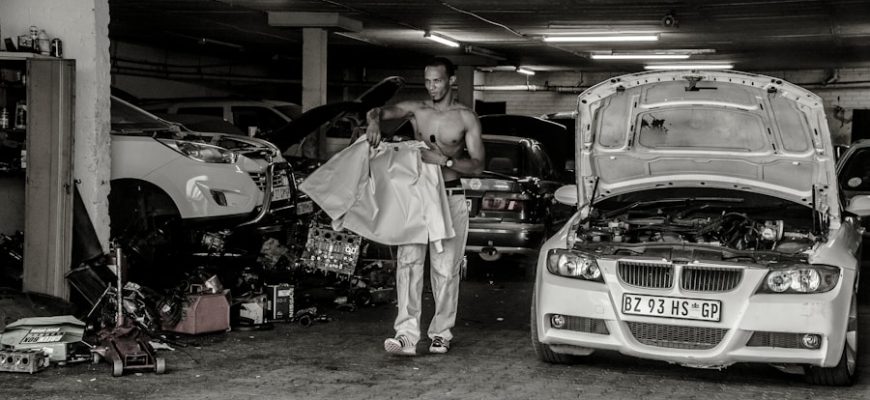
Owning a BMW is often seen as a symbol of luxury and performance, but it also comes with its own set of maintenance costs that every owner should be aware of. On average, BMW owners can expect to spend between $1,000 to $1,500 annually on maintenance and repairs. This figure can vary significantly based on the model, age, and driving habits.
For instance, a well-maintained 3 Series may incur lower costs compared to a high-performance M Series, which typically requires more specialized care and parts. The maintenance costs are not just limited to routine services like oil changes and tire rotations. BMWs are equipped with advanced technology and engineering that can lead to higher repair costs when issues arise.
For example, the replacement of a turbocharger or a complex electronic system can quickly escalate into a significant expense. Understanding these potential costs upfront can help owners make informed decisions about their vehicle’s care and budget accordingly.
- Key Takeaways
- Factors Affecting BMW Service Costs
- Budgeting for BMW Maintenance
- DIY vs Professional BMW Maintenance
- Long-Term Ownership Costs of a BMW
- Warranty and Extended Service Plans for BMWs
- Tips for Lowering BMW Maintenance Costs
- Finding a Reliable BMW Service Center
- FAQs
- What are the typical maintenance costs for a BMW?
- What are some common maintenance tasks for a BMW?
- Are BMW parts and labor more expensive than other car brands?
- Is it more expensive to maintain a BMW compared to other luxury car brands?
- Are there ways to reduce BMW maintenance costs?
Key Takeaways
- BMW maintenance costs can vary depending on the model and age of the vehicle
- Factors affecting BMW service costs include the type of service needed, location, and the age of the vehicle
- Budgeting for BMW maintenance should include regular servicing, unexpected repairs, and potential warranty coverage
- DIY maintenance can save money, but professional maintenance ensures quality and warranty protection
- Long-term ownership costs of a BMW include maintenance, repairs, and depreciation
- Warranty and extended service plans can help lower long-term maintenance costs for BMW owners
- Tips for lowering BMW maintenance costs include regular maintenance, using genuine parts, and finding a reliable service center
- Finding a reliable BMW service center is crucial for quality maintenance and cost savings
Factors Affecting BMW Service Costs
Several factors influence the overall service costs for BMW vehicles. One of the most significant is the model year and type. Newer models often come with advanced technology that may require specialized tools and training for repairs, leading to higher labor costs.
Additionally, certain models, particularly those in the M lineup or equipped with high-performance features, may necessitate more expensive parts and fluids. Driving habits also play a crucial role in determining maintenance expenses. For instance, aggressive driving can lead to increased wear on brakes and tires, while frequent short trips may not allow the engine to reach optimal operating temperature, potentially leading to premature wear.
Furthermore, geographic location can impact service costs; urban areas may have higher labor rates compared to rural settings, while certain regions may have limited access to certified BMW service centers.
Budgeting for BMW Maintenance
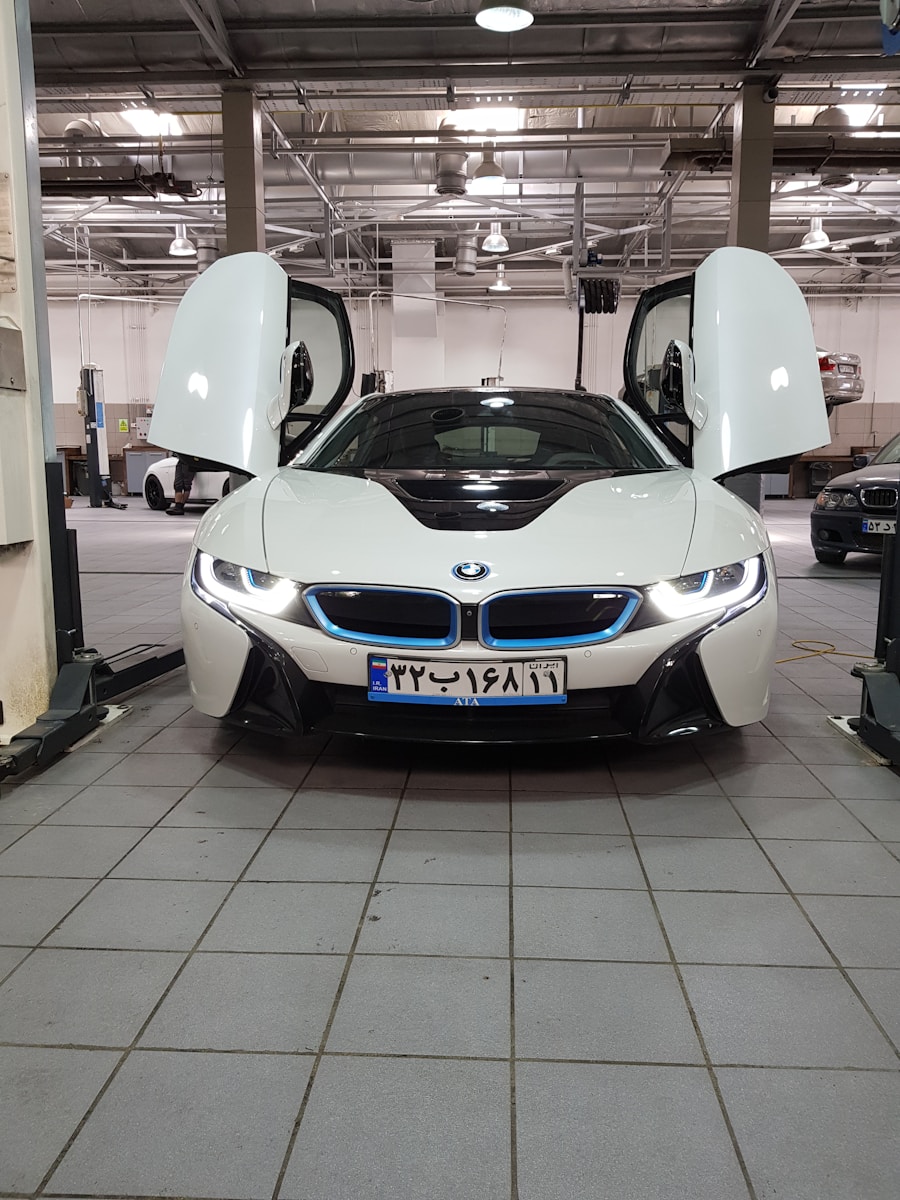
Creating a budget for BMW maintenance is essential for any owner looking to manage their expenses effectively. A good starting point is to allocate funds for routine services such as oil changes, brake inspections, and tire rotations. These services are typically recommended at specific intervals, often outlined in the owner’s manual.
For example, BMW recommends oil changes every 10,000 miles or once a year, whichever comes first. In addition to routine maintenance, it’s wise to set aside funds for unexpected repairs. A common rule of thumb is to save around $100 per month specifically for maintenance and repairs.
This proactive approach can help cushion the financial impact of unforeseen issues like transmission problems or electrical system failures. By planning ahead, owners can avoid the stress of sudden expenses and ensure their BMW remains in peak condition.
DIY vs Professional BMW Maintenance
When it comes to maintaining a BMW, owners often face the choice between DIY maintenance and seeking professional help. DIY maintenance can be a rewarding experience for those with mechanical skills and a passion for cars. Simple tasks such as changing the oil, replacing air filters, or rotating tires can be done at home with the right tools and knowledge.
This approach not only saves money but also fosters a deeper connection with the vehicle. However, there are significant advantages to professional maintenance that should not be overlooked. Certified BMW technicians possess specialized training and access to proprietary diagnostic tools that can accurately identify issues that may not be apparent to the average owner.
Additionally, professional service centers often use OEM (Original Equipment Manufacturer) parts, ensuring that replacements meet the same standards as the original components. For complex repairs or when warranty coverage is a concern, relying on professionals is often the best course of action.
Long-Term Ownership Costs of a BMW
Long-term ownership costs extend beyond routine maintenance and repairs; they encompass insurance, fuel, depreciation, and financing expenses as well. Insurance premiums for BMWs can be higher than average due to their luxury status and performance capabilities. Owners should shop around for competitive rates and consider factors such as safety ratings and theft rates when selecting coverage.
Fuel costs are another consideration, especially for models with larger engines or those that require premium gasoline. While many BMWs are designed for efficiency, performance-oriented models may consume more fuel under spirited driving conditions. Additionally, depreciation plays a significant role in long-term ownership costs; luxury vehicles tend to depreciate faster than economy cars.
Understanding these factors can help potential buyers assess the true cost of ownership over time.
Warranty and Extended Service Plans for BMWs

BMW offers a comprehensive warranty package that covers new vehicles for four years or 50,000 miles, whichever comes first. This warranty includes coverage for most components and provides peace of mind for new owners. However, as vehicles age and warranties expire, many owners consider extended service plans to mitigate future repair costs.
Extended service plans can vary widely in terms of coverage and cost. Some plans offer comprehensive coverage that includes major components like the engine and transmission, while others may only cover specific systems. It’s crucial for owners to read the fine print and understand what is included before purchasing an extended warranty.
Investing in a reputable plan can provide financial protection against unexpected repairs as the vehicle ages.
Tips for Lowering BMW Maintenance Costs
Lowering maintenance costs for a BMW requires a combination of smart practices and proactive measures. One effective strategy is to adhere strictly to the manufacturer’s recommended maintenance schedule. Regularly scheduled services can prevent minor issues from escalating into costly repairs down the line.
Another tip is to use high-quality aftermarket parts when possible. While OEM parts are often recommended for their reliability, high-quality aftermarket alternatives can provide similar performance at a lower cost. Additionally, joining a BMW enthusiast group or forum can provide valuable insights into cost-saving tips from fellow owners who have navigated similar challenges.
Lastly, consider performing simple maintenance tasks yourself if you have the skills and tools necessary. Tasks like changing wiper blades or replacing cabin air filters are straightforward and can save money on labor costs at service centers.
Finding a Reliable BMW Service Center
Finding a reliable service center is crucial for maintaining your BMW’s performance and longevity. Start by seeking recommendations from fellow BMW owners or checking online reviews on platforms like Google or Yelp. Look for service centers that specialize in BMWs and have certified technicians who are familiar with the brand’s unique requirements.
It’s also beneficial to visit potential service centers in person before making a decision. A clean facility with modern equipment is often indicative of a professional operation. Don’t hesitate to ask questions about their experience with your specific model or inquire about warranties on parts and labor.
Establishing a good relationship with a trusted service center can lead to better care for your vehicle and potentially lower long-term maintenance costs. In conclusion, understanding the intricacies of BMW maintenance costs is essential for any owner looking to enjoy their vehicle without financial surprises. By considering factors affecting service costs, budgeting wisely, weighing DIY versus professional options, and finding reliable service centers, owners can ensure their BMW remains a source of pride and joy for years to come.
If you’re interested in learning more about BMW maintenance costs, you may also want to check out this article on BMW Contact Information. This article provides valuable information on how to get in touch with BMW for any maintenance inquiries or concerns. It’s important to have the right contact information on hand when dealing with maintenance issues for your BMW.
FAQs
What are the typical maintenance costs for a BMW?
The typical maintenance costs for a BMW can vary depending on the model and age of the vehicle. However, on average, BMW maintenance costs can range from $1500 to $5000 per year.
What are some common maintenance tasks for a BMW?
Common maintenance tasks for a BMW include oil changes, brake pad and rotor replacements, fluid flushes, filter replacements, and regular inspections of the engine, suspension, and electrical systems.
Are BMW parts and labor more expensive than other car brands?
Yes, BMW parts and labor are generally more expensive than those of other car brands. This is due to the higher quality and performance of BMW vehicles, as well as the specialized training and equipment required for BMW maintenance.
Is it more expensive to maintain a BMW compared to other luxury car brands?
Maintaining a BMW is generally more expensive compared to other luxury car brands. This is because BMWs are known for their high-performance engines and advanced technology, which require specialized care and maintenance.
Are there ways to reduce BMW maintenance costs?
Some ways to reduce BMW maintenance costs include following the recommended maintenance schedule, using aftermarket parts when appropriate, and finding a reputable independent BMW mechanic who may offer lower labor rates compared to a dealership. Regular maintenance and prompt repairs can also help prevent more costly issues in the long run.