
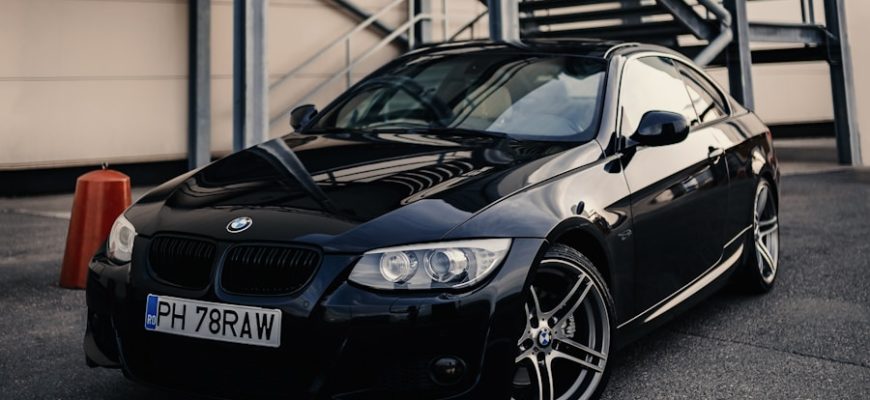
The BMW Z series represents a unique blend of performance, design, and driving pleasure that has captivated automotive enthusiasts since its inception. As a line of roadsters, the Z cars embody the spirit of open-top driving, offering a thrilling experience that connects the driver with the road. The Z series is not just about aesthetics; it is a testament to BMW’s engineering prowess and commitment to innovation.
Each model in the series has contributed to the brand’s legacy, showcasing advancements in technology and design while maintaining the core values that define BMW. The allure of the Z series lies in its ability to evoke emotion through driving. From the first model, the Z1, to the latest iterations of the Z4, these cars have been designed to deliver an exhilarating experience.
The combination of lightweight construction, powerful engines, and precise handling has made the Z series a favorite among driving purists. As we delve into the history and evolution of BMW’s Z cars, we will explore how they have shaped the roadster market and what the future holds for this iconic line.
- Key Takeaways
- The Birth of the BMW Z Series: The Z1
- The Evolution of the BMW Z Series: From Z3 to Z4
- The BMW Z3: A Brief History
- The BMW Z4: A Modern Roadster Icon
- The Performance and Design of BMW Z Cars
- Lightweight Materials for Enhanced Agility
- Design Excellence
- Real-World Performance and Design
- The Legacy of BMW Z Cars: Influence on the Roadster Market
- The Future of BMW Z Cars
- FAQs
- What is the history of BMW Z cars?
- What are the key features of BMW Z cars?
- What are some notable models in the BMW Z series?
- What is the current status of the BMW Z series?
Key Takeaways
- BMW Z cars are a series of roadsters that have made a significant impact on the automotive industry.
- The Z1 was the first model in the BMW Z series, known for its unique vertically sliding doors.
- The BMW Z series has evolved from the Z3 to the Z4, showcasing advancements in design and performance.
- The BMW Z3 has a rich history, being featured in the James Bond film “GoldenEye” and gaining popularity as a classic roadster.
- The BMW Z4 is a modern icon, known for its sleek design and impressive performance capabilities.
The Birth of the BMW Z Series: The Z1
The story of the BMW Z series begins with the Z1, introduced in 1989. This model was groundbreaking for its time, featuring a distinctive design that set it apart from other roadsters. The Z1 was characterized by its innovative plastic body panels and unique retractable doors, which added an element of fun and flair to the driving experience.
With a production run of just over 8,000 units, the Z1 was not only a limited edition but also a showcase of BMW’s engineering capabilities. Under the hood, the Z1 was powered by a 2.5-liter inline-six engine that produced 170 horsepower, allowing it to accelerate from 0 to 60 mph in just over 7 seconds. This performance was complemented by a lightweight chassis, which contributed to its agile handling.
The Z1’s design and engineering were so ahead of their time that they laid the groundwork for future models in the Z series. Its introduction marked BMW’s entry into the roadster market, setting a high standard for performance and style that subsequent models would strive to achieve.
The Evolution of the BMW Z Series: From Z3 to Z4
Following the Z1, BMW introduced the Z3 in 1995, which marked a significant shift in the brand’s approach to roadsters. The Z3 was designed as a more accessible model, appealing to a broader audience while retaining the essence of what made BMW roadsters special. Its appearance in the James Bond film “GoldenEye” further solidified its status as a cultural icon.
The Z3 featured a more traditional roadster design with a long hood and short rear deck, embodying classic proportions that resonated with enthusiasts. The Z3 was available with various engine options, ranging from a 1.9-liter four-cylinder to a robust 3.2-liter inline-six in the M version. This range allowed drivers to choose their desired balance between performance and everyday usability.
The success of the Z3 paved the way for its successor, the Z4, which debuted in 2002. The Z4 took a more aggressive stance with its bold styling and advanced technology, including features like adaptive headlights and an optional retractable hardtop.
The BMW Z3: A Brief History
The BMW Z3 holds a special place in automotive history as one of the most beloved roadsters of its time. Launched in 1995, it was BMW’s first mass-produced roadster since the Z1 and quickly gained popularity for its engaging driving dynamics and stylish design. The Z3 was built on the same platform as the E30 3 Series, ensuring that it inherited BMW’s renowned handling characteristics.
One of the defining moments for the Z3 was its appearance in “GoldenEye,” where it was driven by Pierce Brosnan as James Bond. This exposure catapulted the car into the limelight, making it an instant classic among fans of both cinema and automobiles. The Z3 was produced until 2002, during which time it underwent several updates and improvements, including enhanced engine options and interior refinements.
The Z3’s legacy is marked by its ability to connect with drivers on an emotional level. It offered an exhilarating open-air experience while maintaining practicality for everyday use. With over 280,000 units sold worldwide, it established itself as one of BMW’s most successful models and set a high bar for future roadsters.
The BMW Z4: A Modern Roadster Icon
The BMW Z4 emerged as a successor to the Z3 in 2002 and quickly established itself as a modern roadster icon. With its striking design characterized by sharp lines and aggressive contours, the Z4 represented a departure from its predecessor’s more classic styling. It was available in both coupe and convertible variants, catering to diverse preferences among enthusiasts.
Underpinning the Z4 was BMW’s commitment to performance and technology. The initial lineup included a range of engines from a 2.5-liter inline-six to a powerful 3.0-liter variant that delivered exhilarating acceleration and precise handling. The introduction of the M version further elevated the Z4’s status, featuring a high-performance engine and sport-tuned suspension that appealed to driving purists.
The second generation of the Z4 debuted in 2009, showcasing even more advanced technology and refined design elements. Features such as an integrated hardtop roof and improved aerodynamics enhanced both aesthetics and functionality. The latest iteration of the Z4 continues this tradition, offering cutting-edge technology like adaptive cruise control and advanced infotainment systems while remaining true to its roots as a driver-focused roadster.
The Performance and Design of BMW Z Cars

Lightweight Materials for Enhanced Agility
The use of lightweight materials such as aluminum and carbon fiber has allowed BMW to create vehicles that are not only fast but also agile on winding roads.
Design Excellence
The design language of BMW’s Z cars is equally impressive. From the iconic kidney grille to sleek lines that enhance aerodynamics, every aspect is meticulously crafted to create an eye-catching silhouette. The interiors are designed with driver comfort in mind, featuring high-quality materials and intuitive controls that enhance usability without compromising style.
Real-World Performance and Design
Real-world examples highlight this commitment to performance and design. For instance, during testing at renowned tracks like the Nürburgring, engineers fine-tune suspension settings to ensure optimal handling characteristics under various conditions. Additionally, collaborations with designers have led to limited-edition models that showcase unique aesthetics while maintaining performance integrity.
The Legacy of BMW Z Cars: Influence on the Roadster Market
The influence of BMW’s Z cars on the roadster market cannot be overstated. Since their introduction, these vehicles have set benchmarks for performance, design, and technology that competitors strive to match. The success of models like the Z3 and Z4 has inspired other manufacturers to develop their own roadsters, leading to a renaissance in this segment.
The Z series has also played a crucial role in shaping consumer expectations regarding open-top driving experiences. Enthusiasts now seek not only performance but also advanced technology features such as connectivity options and driver assistance systems. As a result, many modern roadsters incorporate elements that were once exclusive to luxury sedans.
Moreover, BMW’s commitment to sustainability is beginning to influence future iterations of the Z series. With growing concerns about environmental impact, there is an increasing focus on hybrid and electric powertrains within roadster designs. This evolution reflects changing consumer preferences while maintaining the exhilarating driving experience that defines BMW.
The Future of BMW Z Cars
As we look ahead, the future of BMW’s Z cars appears promising yet challenging amid evolving automotive trends. With increasing emphasis on electrification and sustainability, BMW is poised to innovate within this iconic series while staying true to its performance roots. Future models may incorporate hybrid or fully electric powertrains without sacrificing the exhilarating driving dynamics that enthusiasts cherish.
Additionally, advancements in technology will likely play a significant role in shaping upcoming iterations of the Z series. Features such as autonomous driving capabilities and enhanced connectivity options will redefine what it means to experience open-top driving in a modern context. In conclusion, BMW’s Z cars have left an indelible mark on automotive history through their unique blend of performance, design, and innovation.
As they continue to evolve in response to changing consumer demands and technological advancements, one thing remains certain: the spirit of driving pleasure will always be at the core of every BMW roadster.
If you’re interested in learning more about BMW Z cars, you may want to check out the article “The Evolution of BMW Z Cars” on https://bmwonlinebrochure.com/sample-page/. This article delves into the history and development of BMW’s iconic roadsters, from the groundbreaking Z1 to the sleek Z4. It provides a comprehensive overview of how these cars have evolved over the years, showcasing the innovation and design that have made them such beloved vehicles among enthusiasts.
FAQs
What is the history of BMW Z cars?
The BMW Z cars, also known as the BMW Z series, is a line of two-seater sports cars produced by the German automaker BMW. The series began with the Z1 in 1989 and has since included the Z3, Z4, and the limited-production Z8.
What are the key features of BMW Z cars?
BMW Z cars are known for their sleek and sporty design, powerful engines, and responsive handling. They typically feature a retractable roof, making them popular choices for convertible enthusiasts. The Z series also emphasizes a driver-focused experience, with a focus on performance and driving dynamics.
What are some notable models in the BMW Z series?
The BMW Z1, introduced in 1989, was the first model in the Z series and was known for its unique vertically sliding doors. The Z3, introduced in 1996, gained popularity after its appearance in the James Bond film “GoldenEye.” The Z4, introduced in 2002, has been a consistent performer in the sports car market, offering a range of engine options and driving experiences.
What is the current status of the BMW Z series?
As of 2021, the BMW Z4 is the only model in production in the Z series. The Z4 continues to be a popular choice for sports car enthusiasts, offering a blend of performance, luxury, and open-air driving experience. BMW has not announced any plans for additional models in the Z series at this time.