

BMW, or Bayerische Motoren Werke, has undergone a remarkable transformation since its inception in 1916. Initially established as a manufacturer of aircraft engines, the company pivoted to motorcycle production after World War I and eventually entered the automotive sector in the 1920s. The early models, such as the BMW 3/15, showcased the brand’s commitment to quality and performance, laying the groundwork for its future reputation.
However, it was not until the post-World War II era that BMW began to solidify its identity as a premium automobile manufacturer. The introduction of the BMW 501 in 1952 marked a significant turning point, as it was one of the first luxury sedans produced by the company, garnering attention for its elegant design and advanced engineering. Throughout the 1960s and 1970s, BMW’s reputation continued to evolve, particularly with the launch of the “New Class” series.
Models like the BMW 1600 and 2002 not only established the brand as a leader in sporty sedans but also introduced innovative features such as independent rear suspension and a focus on driver engagement. This era solidified BMW’s image as the “Ultimate Driving Machine,” a tagline that would become synonymous with the brand. The company’s commitment to performance and engineering excellence began to resonate with consumers, setting it apart from competitors and establishing a loyal customer base.
- Key Takeaways
- The Rise of BMW’s Brand Value and Global Influence
- The Legacy of BMW’s Luxury Performance Vehicles
- BMW’s Impact on the Automotive Market and Consumer Preferences
- The Iconic Design and Engineering of BMW Vehicles
- BMW’s Continued Commitment to Innovation and Technology
- Embracing Cutting-Edge Technologies
- Electrification and Sustainable Transportation
- Delivering an Exhilarating Driving Experience
- The Influence of BMW’s Motorsport Heritage on its Brand Image
- The Future of BMW as a Symbol of Performance and Prestige
- FAQs
- What is the history of BMW?
- How did BMW become associated with performance?
- What factors have contributed to BMW’s prestige?
- What are some of BMW’s most iconic models?
- How has BMW maintained its status as a symbol of performance and prestige?
Key Takeaways
- BMW has evolved from a niche luxury brand to a global automotive powerhouse, known for its performance and prestige.
- The rise of BMW’s brand value and global influence has solidified its position as a top player in the luxury automotive market.
- BMW’s legacy of luxury performance vehicles has set the standard for quality and driving experience in the industry.
- BMW’s impact on the automotive market and consumer preferences has been significant, shaping the demand for luxury and performance-oriented vehicles.
- The iconic design and engineering of BMW vehicles have contributed to the brand’s enduring appeal and desirability in the market.
The Rise of BMW’s Brand Value and Global Influence
As BMW’s reputation grew, so did its brand value on the global stage. By the late 20th century, BMW had successfully positioned itself as a symbol of luxury and performance, appealing to affluent consumers worldwide. The introduction of iconic models such as the BMW M3 and M5 further enhanced its status, showcasing the brand’s ability to blend everyday usability with exhilarating performance.
The M division, established in 1972, became a hallmark of BMW’s commitment to motorsport-inspired engineering, attracting enthusiasts and collectors alike. In recent years, BMW has expanded its global influence through strategic partnerships and innovative marketing strategies. The brand has embraced digital transformation, utilizing social media platforms and influencer collaborations to reach younger audiences.
Additionally, BMW’s commitment to sustainability has resonated with environmentally conscious consumers, further enhancing its brand value. The introduction of electric models like the BMW i3 and i8 demonstrates the company’s forward-thinking approach, positioning it as a leader in the transition toward sustainable mobility.
The Legacy of BMW’s Luxury Performance Vehicles
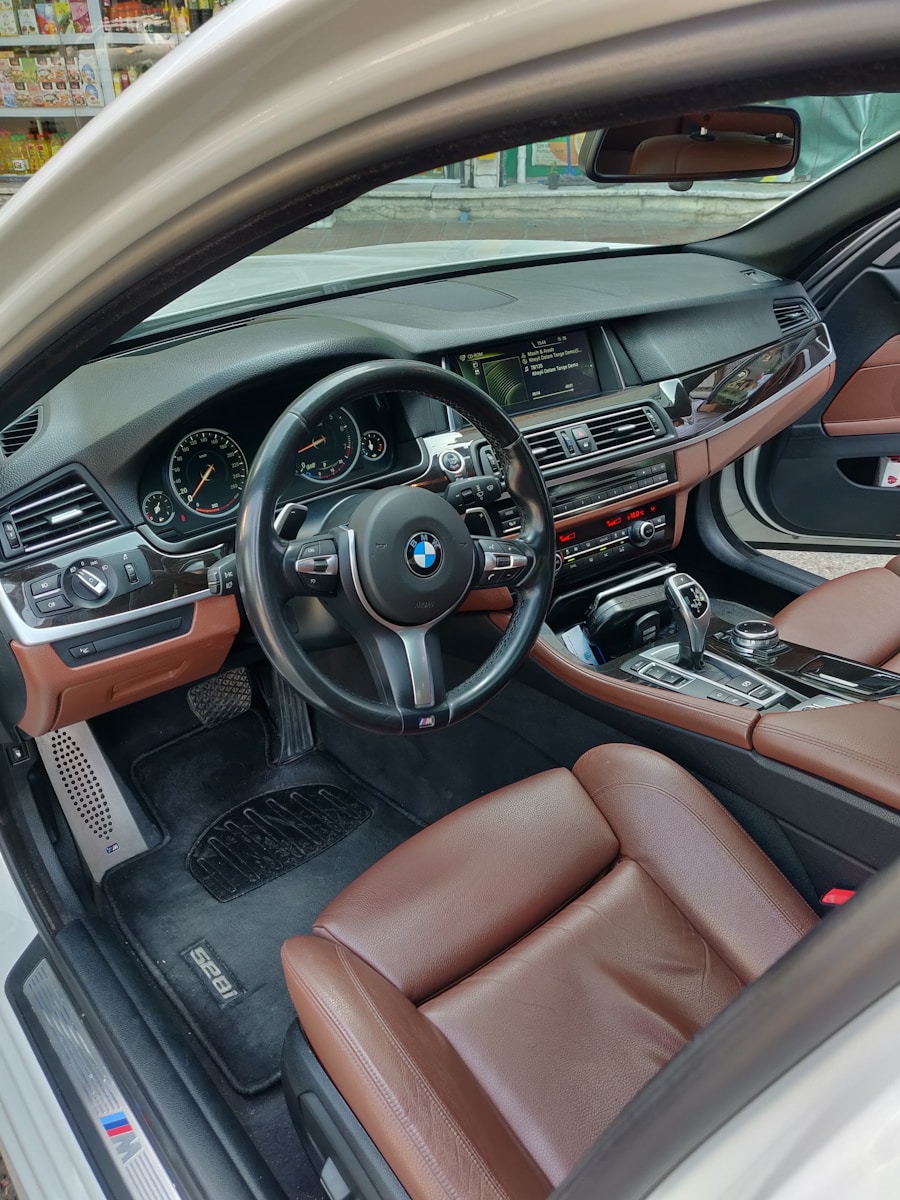
BMW’s legacy is deeply intertwined with its luxury performance vehicles, which have consistently set benchmarks in their respective segments. The M series, in particular, has become synonymous with high-performance driving, offering enthusiasts an unparalleled experience on both the road and track. Models like the M3 and M5 have garnered critical acclaim for their powerful engines, precise handling, and driver-focused interiors.
These vehicles not only deliver exhilarating performance but also embody the craftsmanship and attention to detail that define the BMW brand. The luxury aspect of BMW vehicles is equally significant. The brand has consistently prioritized comfort and refinement alongside performance.
Features such as premium materials, advanced infotainment systems, and cutting-edge safety technologies have become standard in BMW’s lineup. This commitment to luxury is evident in models like the 7 Series, which competes with other high-end sedans while offering a unique blend of performance and opulence. As a result, BMW has cultivated a loyal following among consumers who seek both excitement and sophistication in their driving experience.
BMW’s Impact on the Automotive Market and Consumer Preferences
BMW’s influence on the automotive market extends beyond its own vehicles; it has shaped consumer preferences and industry standards over decades. The brand’s focus on performance-oriented engineering has inspired competitors to elevate their offerings, leading to a more dynamic market landscape. For instance, the introduction of turbocharged engines across various segments can be traced back to BMW’s early adoption of this technology in models like the 335i.
This shift not only improved performance but also enhanced fuel efficiency, setting new expectations for consumers. Moreover, BMW has played a pivotal role in popularizing the concept of luxury sports sedans. The success of models like the 3 Series has led other manufacturers to develop their own performance-oriented variants, blurring the lines between luxury and sportiness.
This trend has resulted in a broader range of options for consumers seeking vehicles that deliver both comfort and excitement. As a result, BMW has not only defined its own niche but has also influenced how consumers perceive luxury vehicles in general.
The Iconic Design and Engineering of BMW Vehicles
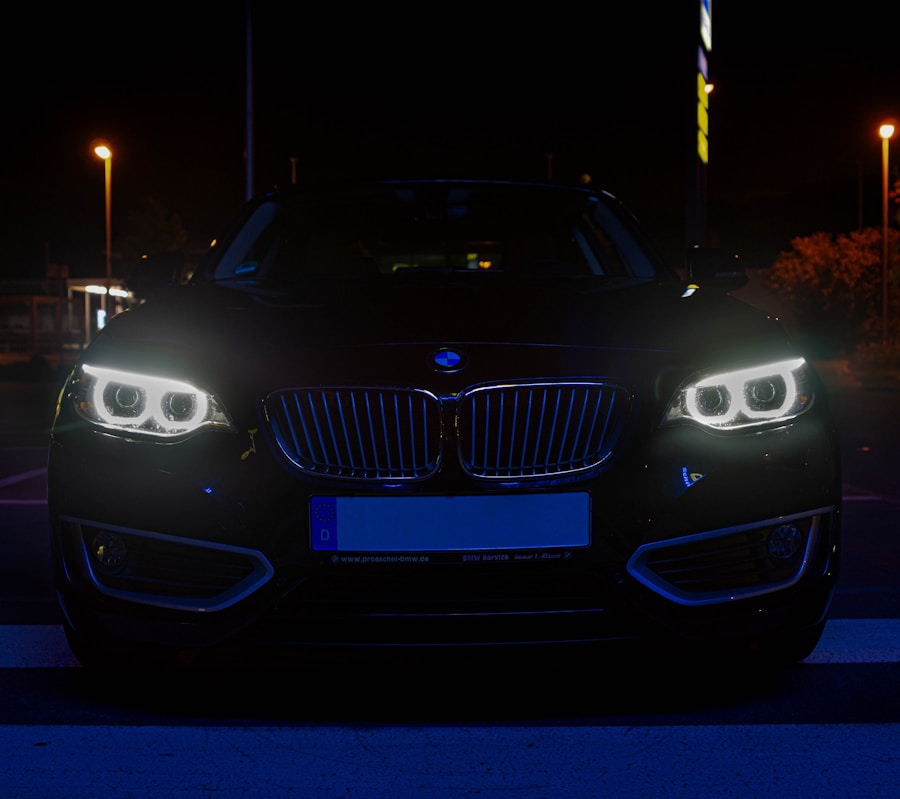
The design philosophy behind BMW vehicles is as iconic as their performance capabilities. Characterized by their distinctive kidney grilles, sleek lines, and athletic stances, BMW cars are instantly recognizable on the road. The brand’s design language has evolved over time while maintaining a sense of continuity that appeals to both traditionalists and modernists alike.
Models like the Z4 and X5 showcase innovative design elements that push boundaries while remaining true to BMW’s heritage. Engineering excellence is another cornerstone of BMW’s identity. The brand has consistently invested in research and development to create vehicles that offer superior handling and driving dynamics.
Technologies such as rear-wheel drive layouts and near-perfect weight distribution contribute to an engaging driving experience that enthusiasts crave. Additionally, advancements in materials science have allowed BMW to reduce weight without compromising safety or performance, further enhancing its vehicles’ appeal.
BMW’s Continued Commitment to Innovation and Technology
Embracing Cutting-Edge Technologies
Innovation is at the heart of BMW’s strategy for maintaining its competitive edge in the automotive industry. The company has embraced cutting-edge technologies such as artificial intelligence, autonomous driving capabilities, and advanced connectivity features. The introduction of the iDrive system revolutionized how drivers interact with their vehicles, integrating navigation, entertainment, and vehicle settings into a user-friendly interface.
Electrification and Sustainable Transportation
Furthermore, BMW is actively investing in electric mobility as part of its long-term vision for sustainable transportation. The launch of the iX3 and i4 models signifies a commitment to electrification while retaining the performance characteristics that define the brand.
Delivering an Exhilarating Driving Experience
By leveraging its expertise in engineering and design, BMW aims to create electric vehicles that not only meet regulatory standards but also deliver an exhilarating driving experience.
The Influence of BMW’s Motorsport Heritage on its Brand Image
BMW’s rich motorsport heritage has significantly shaped its brand image over the years. From its early days in motorcycle racing to its dominance in touring car championships, motorsport has been integral to BMW’s identity. The success of vehicles like the BMW M1 in Group 4 racing established a legacy that continues to influence modern M models today.
This motorsport pedigree enhances consumer perception of BMW as a performance-oriented brand. Enthusiasts are drawn to the idea that they are driving vehicles with racing DNA embedded in their engineering. Events like the annual BMW M Festival celebrate this connection between motorsport and consumer vehicles, fostering a sense of community among fans while reinforcing the brand’s commitment to performance.
The Future of BMW as a Symbol of Performance and Prestige
Looking ahead, BMW is poised to continue its legacy as a symbol of performance and prestige in the automotive world. With an increasing focus on sustainability and innovation, the brand is adapting to changing consumer preferences while remaining true to its core values. The expansion of electric models will likely attract new customers who prioritize eco-friendliness without sacrificing performance.
Moreover, as autonomous driving technology matures, BMW aims to integrate these advancements into its lineup while ensuring that driving pleasure remains at the forefront. By balancing tradition with innovation, BMW is set to maintain its status as a leader in luxury performance vehicles for generations to come. As it navigates this evolving landscape, one thing remains clear: BMW will continue to embody excellence in engineering and design while captivating enthusiasts around the globe.
If you’re interested in learning more about BMW’s history and evolution as a luxury car brand, check out this article on BMW’s website map. It provides a comprehensive overview of the different models and innovations that have contributed to BMW’s reputation for performance and prestige. This article will give you a deeper understanding of how BMW has become synonymous with luxury and quality in the automotive industry.
FAQs
What is the history of BMW?
BMW, which stands for Bayerische Motoren Werke, was founded in 1916 as an aircraft engine manufacturer. It later shifted its focus to motorcycle and automobile production, and has since become a leading luxury car brand.
How did BMW become associated with performance?
BMW’s reputation for performance began with its success in motorsports, particularly in touring car and Formula 1 racing. The brand’s commitment to engineering and innovation has also contributed to its association with high performance vehicles.
What factors have contributed to BMW’s prestige?
BMW’s commitment to quality, luxury, and cutting-edge technology has contributed to its prestige. The brand’s iconic designs, strong brand identity, and focus on customer experience have also played a role in its reputation.
What are some of BMW’s most iconic models?
Some of BMW’s most iconic models include the 3 Series, 5 Series, and 7 Series sedans, as well as the M3 and M5 performance variants. The brand’s X series of SUVs and the Z4 sports car are also highly regarded.
How has BMW maintained its status as a symbol of performance and prestige?
BMW has continued to invest in research and development, producing innovative technologies and high-performance vehicles. The brand has also maintained a strong presence in motorsports and has consistently delivered luxury and quality to its customers.