
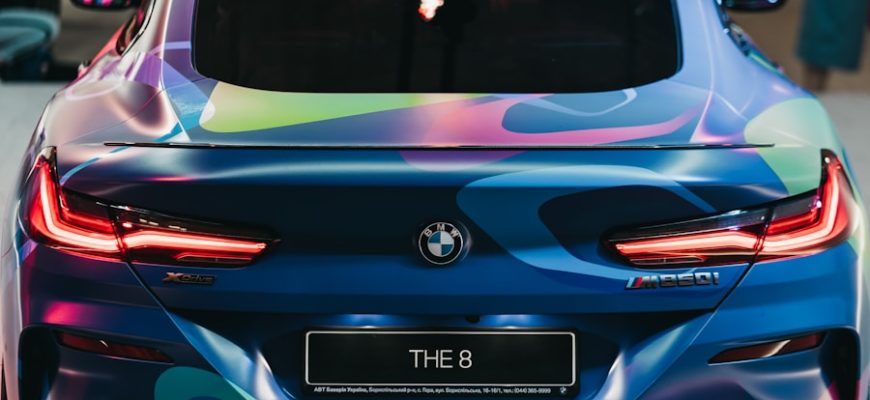
The BMW Art Car project began in 1975 when French artist Alexander Calder transformed a BMW 3.0 CSL into a moving canvas. This innovative concept was born out of a desire to merge the worlds of art and automotive engineering, creating a unique platform for artistic expression. Calder’s vibrant design not only captured the attention of the art community but also set a precedent for future collaborations between BMW and artists.
The car was showcased at the 24 Hours of Le Mans, marking a significant moment where art and performance intersected on an international stage. Over the decades, the BMW Art Car collection has grown to include works from renowned artists such as Andy Warhol, Roy Lichtenstein, and Jeff Koons. Each artist brought their unique vision and style to the project, resulting in a diverse array of designs that reflect both the individual artist’s creativity and BMW’s commitment to innovation.
The Art Car series has become a symbol of the brand’s dedication to pushing boundaries, not just in automotive engineering but also in cultural expression. This legacy continues to inspire new generations of artists and car enthusiasts alike.
- Key Takeaways
- The Collaboration between BMW and Artists: A Unique Fusion of Art and Engineering
- Breaking Boundaries in Design
- Transforming Automotive Design
- A Celebration of Engineering and Artistic Excellence
- The Evolution of the BMW Art Project: From Concept to Reality
- The Impact of BMW Art Cars on the Automotive and Art Industries
- The Process of Creating a BMW Art Car: From Design to Production
- The Artists Behind the BMW Art Cars: Their Vision and Inspiration
- The Exhibition and Collection of BMW Art Cars: A Global Showcase of Creativity
- The Future of the BMW Art Cars Project: Continuing to Push the Boundaries of Art and Engineering
- FAQs
- What is the BMW Art Cars Project?
- How many BMW Art Cars have been created so far?
- What is the purpose of the BMW Art Cars Project?
- Where are the BMW Art Cars displayed?
- Are the BMW Art Cars functional vehicles?
Key Takeaways
- The BMW Art Cars project began in 1975 with the commissioning of a BMW 3.0 CSL race car by French race car driver and art enthusiast Hervé Poulain.
- The collaboration between BMW and artists has resulted in a unique fusion of art and engineering, with renowned artists such as Andy Warhol, Jeff Koons, and Jenny Holzer contributing to the project.
- The BMW Art Project has evolved from a one-time commission to a long-term initiative, with over 19 cars created by artists from around the world, each reflecting their unique artistic vision.
- BMW Art Cars have had a significant impact on both the automotive and art industries, blurring the lines between art and design and challenging traditional notions of what a car can be.
- The process of creating a BMW Art Car involves the artist’s design being transferred onto the car using a variety of techniques, resulting in a one-of-a-kind piece of rolling art.
The Collaboration between BMW and Artists: A Unique Fusion of Art and Engineering
Breaking Boundaries in Design
The process encourages artists to think outside traditional boundaries, leading to innovative designs that challenge perceptions of both art and automobiles. For instance, when Jeff Koons created his BMW M3 GT2, he drew inspiration from the world of racing and pop culture. His design features bold colors and dynamic patterns that evoke speed and energy, perfectly aligning with BMW’s performance ethos.
Transforming Automotive Design
This collaboration exemplifies how artists can reinterpret automotive design, transforming a car into a statement piece that resonates with audiences far beyond the automotive community.
A Celebration of Engineering and Artistic Excellence
The result is a collection of vehicles that are celebrated not just for their engineering excellence but also for their artistic significance.
The Evolution of the BMW Art Project: From Concept to Reality
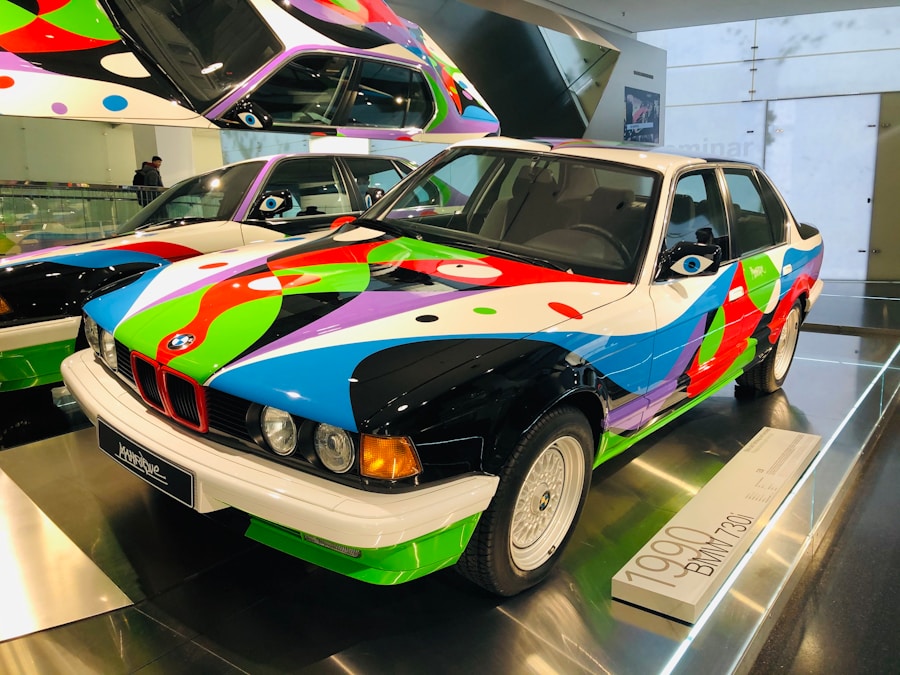
The evolution of the BMW Art Project reflects a continuous commitment to innovation and creativity. Initially, the project focused on creating one-off designs that would be displayed at prestigious events. However, as interest grew, BMW expanded the initiative to include a broader range of artists and styles.
This evolution has allowed for greater experimentation and exploration within the realm of automotive art. In recent years, the project has embraced new technologies and mediums, incorporating digital art and interactive installations alongside traditional painting techniques. This shift not only keeps the project relevant in an ever-changing artistic landscape but also invites a younger audience to engage with both art and automobiles.
The integration of technology has opened up new avenues for artistic expression, allowing artists to push boundaries further than ever before.
The Impact of BMW Art Cars on the Automotive and Art Industries
The impact of BMW Art Cars extends beyond mere aesthetics; it has significantly influenced both the automotive and art industries. By positioning itself at the intersection of these two worlds, BMW has fostered a dialogue about creativity, innovation, and cultural relevance. The Art Car project has encouraged other automotive manufacturers to explore similar collaborations, leading to a broader acceptance of art within the automotive sector.
Moreover, the project has elevated the status of automotive design as a legitimate form of artistic expression. Collectors and enthusiasts now view these vehicles as valuable works of art rather than mere machines. This shift in perception has led to increased interest in automotive art, with auctions featuring BMW Art Cars fetching impressive sums.
The project has not only redefined how we view cars but has also inspired artists to consider new mediums for their work.
The Process of Creating a BMW Art Car: From Design to Production
Creating a BMW Art Car is a meticulous process that involves collaboration between the artist, engineers, and designers at BMW. It begins with conceptual discussions where the artist shares their vision and ideas for the design. This phase is crucial as it sets the tone for how the artwork will be integrated into the car’s structure while maintaining its performance capabilities.
Once a design is finalized, it moves into production, where engineers work closely with the artist to ensure that their vision is realized without compromising the vehicle’s functionality. This collaboration often involves testing various materials and techniques to achieve the desired effect. For example, when David Hockney created his BMW 8 Series Art Car, he utilized digital technology to create intricate patterns that were then applied to the car’s surface using advanced printing techniques.
This blend of traditional artistry with modern technology exemplifies how BMW continues to innovate within this unique project.
The Artists Behind the BMW Art Cars: Their Vision and Inspiration
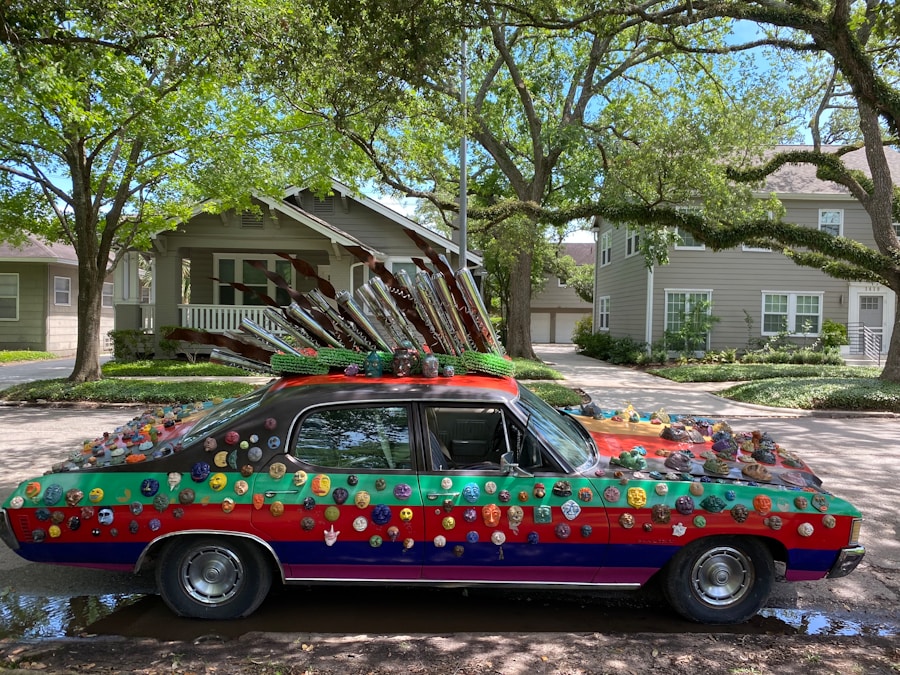
The artists who have contributed to the BMW Art Car project come from diverse backgrounds and artistic movements, each bringing their unique vision and inspiration to the table. For instance, Andy Warhol’s iconic design for the BMW M1 was heavily influenced by his pop art style, characterized by bold colors and commercial imagery. Warhol saw the car as an extension of his artistic practice, merging consumer culture with high art.
Similarly, artist Olafur Eliasson drew inspiration from nature for his design on the BMW H2R. His work often explores themes of perception and experience, which he translated into a design that reflects light and movement in captivating ways. Each artist’s background informs their approach to the project, resulting in a rich tapestry of artistic expression that resonates with audiences worldwide.
The Exhibition and Collection of BMW Art Cars: A Global Showcase of Creativity
The exhibition of BMW Art Cars has become a global phenomenon, showcasing these unique vehicles in prestigious galleries and museums around the world. The collection is not only a celebration of artistic achievement but also serves as an educational platform that highlights the intersection of art and technology. Events such as Art Basel have featured these cars prominently, drawing attention from both art enthusiasts and automotive fans alike.
BMW has also established partnerships with various cultural institutions to ensure that these works are accessible to a wider audience. Traveling exhibitions allow people from different backgrounds to experience these remarkable pieces up close, fostering appreciation for both art and engineering. This global showcase reinforces BMW’s commitment to cultural engagement while promoting dialogue about creativity in contemporary society.
The Future of the BMW Art Cars Project: Continuing to Push the Boundaries of Art and Engineering
Looking ahead, the future of the BMW Art Cars project appears bright as it continues to evolve alongside advancements in technology and artistic expression. With an increasing focus on sustainability and innovation within both industries, future collaborations may explore eco-friendly materials or digital mediums that challenge traditional notions of what constitutes an art car. Moreover, as new generations of artists emerge, they bring fresh perspectives that can further redefine this unique intersection between art and engineering.
The potential for interactive installations or augmented reality experiences could transform how audiences engage with these vehicles, making them not just objects to admire but immersive experiences that invite participation. In conclusion, the BMW Art Cars project stands as a testament to creativity and innovation, bridging two seemingly disparate worlds into a cohesive narrative that celebrates both artistry and engineering excellence. As it continues to grow and adapt, it promises to inspire future generations while leaving an indelible mark on both the automotive and art industries.
One related article to The BMW Art Cars Project: A Fusion of Art and Engineering can be found on the BMW website’s privacy policy page. This article discusses the importance of protecting user data and ensuring privacy while browsing the website. To learn more about BMW’s commitment to privacy, you can visit their privacy policy page.
FAQs
What is the BMW Art Cars Project?
The BMW Art Cars Project is a unique initiative that began in 1975, where renowned artists are invited to use BMW cars as a canvas for their artistic expression.
How many BMW Art Cars have been created so far?
As of 2021, a total of 19 BMW Art Cars have been created by artists such as Andy Warhol, Roy Lichtenstein, and Jeff Koons, among others.
What is the purpose of the BMW Art Cars Project?
The BMW Art Cars Project aims to bridge the gap between art and engineering, showcasing the intersection of creativity and technical innovation in the automotive industry.
Where are the BMW Art Cars displayed?
The BMW Art Cars are often displayed in museums, galleries, and at special events around the world, allowing a wide audience to appreciate the fusion of art and engineering.
Are the BMW Art Cars functional vehicles?
Yes, the BMW Art Cars are fully functional vehicles that retain their original performance capabilities, despite being adorned with artistic designs.