

The BMW logo, a symbol recognized worldwide, has its roots in the early 20th century. Founded in 1916, Bayerische Motoren Werke AG initially produced aircraft engines during World War
- Retaining Aviation Roots
- A New Era in the Automotive World
- A Legacy of Innovation
- Key Takeaways
- The Evolution of the BMW Emblem
- The BMW Logo’s Design and Symbolism
- The Historical Context of the BMW Logo
- The Evolution of the BMW Logo Throughout the Years
- The Significance of the BMW Logo in the Automotive Industry
- The Cultural Impact of the BMW Logo
- The Future of the BMW Logo and Its Meaning
- FAQs
- What is the history of the BMW logo?
- What does the BMW logo symbolize?
- How has the BMW logo changed over time?
- What is the significance of the blue and white colors in the BMW logo?
- What is the meaning behind the spinning aircraft propeller in the BMW logo?
Retaining Aviation Roots
Although the company was moving away from its aviation roots, the logo still paid homage to its heritage. The blue and white colors were retained, symbolizing the sky and clouds, a subtle reminder of BMW’s origins in the aviation industry.
A New Era in the Automotive World
This transformation marked the beginning of BMW’s journey into the automotive world, setting the stage for a brand that would become synonymous with luxury and performance. The company’s new direction paved the way for a legacy that would be built on innovation, quality, and excellence.
A Legacy of Innovation
As BMW continued to evolve and grow, its logo remained an iconic symbol of the company’s commitment to innovation and excellence. The circular design, with its blue and white colors, became an instantly recognizable emblem of a brand that would go on to shape the automotive industry.
Key Takeaways
- The BMW logo originated from the company’s roots in aviation and its association with the colors of the Bavarian flag.
- The evolution of the BMW emblem has seen various changes, including the addition of the iconic white and blue colors and the removal of the black ring.
- The BMW logo’s design and symbolism represent the company’s heritage, with the blue and white colors symbolizing the Bavarian flag and the spinning propeller representing the company’s aviation history.
- The historical context of the BMW logo is rooted in the company’s origins as an aircraft engine manufacturer and its subsequent transition to automobile production.
- The evolution of the BMW logo throughout the years reflects the company’s growth and adaptation to changing market trends and design aesthetics in the automotive industry.
The Evolution of the BMW Emblem
Over the decades, the BMW emblem has undergone several modifications, each reflecting the company’s growth and changing market dynamics. The first significant change occurred in 1929 when the logo was updated to include a black outer ring with the company name inscribed in white letters. This alteration not only enhanced visibility but also added a touch of sophistication that aligned with BMW’s emerging identity as a premium automobile manufacturer.
As BMW expanded its product line and global presence, further refinements were made. In 1953, the logo was simplified, with a more streamlined design that emphasized clarity and modernity. This version maintained the iconic blue and white colors but presented them in a more dynamic fashion, symbolizing speed and innovation.
Each iteration of the emblem has been carefully crafted to resonate with consumers while maintaining a connection to its storied past.
The BMW Logo’s Design and Symbolism
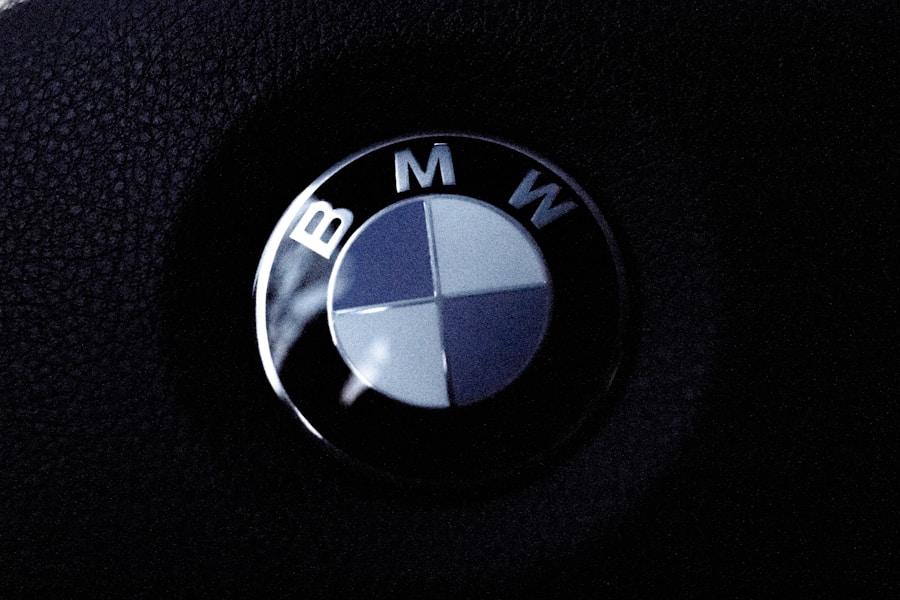
The design of the BMW logo is rich in symbolism, reflecting both the brand’s heritage and its aspirations. The circular shape represents unity and completeness, while the quadrants of blue and white evoke the Bavarian flag, reinforcing BMW’s roots in Bavaria. The colors themselves are often interpreted as representing the sky and clouds, a nod to the company’s origins in aviation.
Moreover, the logo’s design has been associated with motion and dynamism. The way the colors are arranged creates an illusion of rotation, suggesting speed and performance—qualities that are central to BMW’s identity as a manufacturer of high-performance vehicles. This clever use of design elements not only enhances brand recognition but also communicates BMW’s commitment to engineering excellence.
The Historical Context of the BMW Logo
The historical context surrounding the BMW logo is intertwined with significant events in both automotive history and global affairs. During its early years, BMW faced challenges such as economic instability in post-war Germany and competition from other automobile manufacturers. The logo served as a beacon of resilience, symbolizing the company’s ability to adapt and thrive despite adversity.
The logo also gained prominence during key moments in automotive history, such as the introduction of iconic models like the BMW 328 in the 1930s. This sports car not only showcased BMW’s engineering prowess but also helped solidify its reputation in motorsport. As BMW expanded into international markets post-World War II, the logo became a symbol of luxury and performance, appealing to consumers seeking quality vehicles that embodied both style and substance.
The Evolution of the BMW Logo Throughout the Years
Throughout its history, the BMW logo has seen several iterations that reflect changing design trends and consumer preferences. In 1963, a more modernized version was introduced, featuring a bolder typeface for the company name and a more pronounced contrast between the blue and white sections. This change was part of a broader trend in branding during the 1960s, where companies sought to create more impactful visual identities.
The 1997 redesign marked another significant evolution, where the logo was given a three-dimensional effect, enhancing its visual appeal. This version aimed to convey a sense of modernity and innovation, aligning with BMW’s commitment to cutting-edge technology. Each redesign has been carefully considered to ensure that while the logo evolves, it remains instantly recognizable to consumers around the globe.
The Significance of the BMW Logo in the Automotive Industry

The BMW logo holds considerable significance within the automotive industry, serving as a benchmark for quality and performance. It is often regarded as one of the most prestigious automotive emblems globally, representing not just a brand but an entire philosophy centered around driving pleasure and engineering excellence. The logo has become synonymous with luxury vehicles that offer both comfort and exhilarating performance.
Moreover, the logo’s presence on vehicles is a testament to BMW’s commitment to innovation. From pioneering advancements in engine technology to leading developments in electric mobility with models like the i3 and i8, BMW has consistently pushed boundaries while maintaining its iconic branding. The logo serves as a reminder of this legacy, instilling confidence in consumers who seek reliability and cutting-edge technology in their vehicles.
The Cultural Impact of the BMW Logo
Beyond its significance in automotive circles, the BMW logo has made a profound cultural impact. It has become an emblem of status and success, often associated with luxury lifestyles and high-performance driving experiences. In popular culture, references to BMW vehicles frequently appear in films, music videos, and advertisements, reinforcing its image as a symbol of aspiration.
The logo has also inspired a community of enthusiasts who celebrate not just the vehicles but also the brand’s heritage. Car clubs dedicated to BMW owners often showcase their vehicles at events where camaraderie is built around shared passion for driving excellence. This cultural phenomenon further solidifies the logo’s place not just as a brand identifier but as a symbol of belonging within a larger community.
The Future of the BMW Logo and Its Meaning
As we look toward the future, the BMW logo is poised for continued evolution while remaining rooted in its rich heritage. With an increasing focus on sustainability and electric mobility, future iterations may reflect these values more prominently. As BMW embraces new technologies and innovative designs, it is likely that the logo will adapt to symbolize this shift toward greener practices without losing its iconic identity.
Moreover, as global markets evolve and consumer preferences shift toward digital experiences, there may be opportunities for reimagining how the logo is presented across various platforms. Whether through augmented reality applications or digital branding strategies, maintaining relevance will be key for BMW as it navigates an ever-changing automotive landscape. In conclusion, while the BMW logo has undergone numerous transformations since its inception, it remains an enduring symbol of quality, performance, and innovation.
Its rich history reflects not only the evolution of a brand but also broader trends within the automotive industry and society at large. As BMW continues to innovate and adapt to future challenges, its logo will undoubtedly remain a powerful emblem of excellence for generations to come.
If you are interested in learning more about BMW and its history, you may want to check out this article on the official BMW website: The History of BMW: From Aircraft Engines to Luxury Cars. This article delves into the origins of BMW as a manufacturer of aircraft engines and how it transitioned into producing luxury cars. It provides a comprehensive overview of the company’s evolution and the impact it has had on the automotive industry.
FAQs
What is the history of the BMW logo?
The BMW logo has evolved over the years, starting with the original design in 1917 which featured the Bavarian state colors. It has undergone several changes, with the current logo being a stylized representation of a spinning aircraft propeller against a blue sky.
What does the BMW logo symbolize?
The BMW logo is often associated with the company’s origins as an aircraft engine manufacturer. The blue and white colors are also a nod to the company’s Bavarian roots, representing the state flag of Bavaria.
How has the BMW logo changed over time?
The BMW logo has undergone several changes since its inception, with the most significant being the switch from the original black and white design to the current blue and white version. The font and positioning of the letters have also been modified over the years.
What is the significance of the blue and white colors in the BMW logo?
The blue and white colors in the BMW logo are a reference to the company’s Bavarian heritage, as they are derived from the state flag of Bavaria. The colors were first incorporated into the logo in 1929.
What is the meaning behind the spinning aircraft propeller in the BMW logo?
The spinning aircraft propeller in the BMW logo is a nod to the company’s origins as an aircraft engine manufacturer. It symbolizes the company’s history and expertise in aviation technology.