

BMW’s origins trace back to 1916, during a tumultuous period in global history marked by World War
- Initially, the company was founded as Bayerische Flugzeugwerke AG, focusing on manufacturing aircraft engines. The first major product was the BMW IIIa engine, which gained acclaim for its performance and reliability, becoming a favorite among pilots. This early success laid the groundwork for the company’s engineering prowess and commitment to quality, traits that would later define its automotive division.
- Revolutionary Design and Technology
- A New Era for BMW Motorcycles
- A Legacy of Innovation
- Key Takeaways
- The Founding of BMW: A Look at the Company’s Origins
- The Evolution of the BMW Logo: Uncovering its Meaning and Symbolism
- BMW’s Impact on the Automotive Industry: Innovations and Milestones
- BMW’s Expansion into Luxury Cars: The Shift from Economy to Elegance
- Breaking into the Luxury Segment
- Consolidating Luxury with Subsequent Models
- Adapting to Changing Market Demands
- BMW’s Influence on Motorsports: Racing and Performance Heritage
- The Global Reach of BMW: How the Brand Became a Worldwide Phenomenon
- The Future of BMW: Looking Ahead to the Next Chapter in the Company’s History
- FAQs
- What is the history of BMW?
- When did BMW start producing luxury cars?
- How did BMW become known for luxury cars?
- What are some notable BMW models throughout history?
- How has BMW evolved over the years?
Initially, the company was founded as Bayerische Flugzeugwerke AG, focusing on manufacturing aircraft engines. The first major product was the BMW IIIa engine, which gained acclaim for its performance and reliability, becoming a favorite among pilots. This early success laid the groundwork for the company’s engineering prowess and commitment to quality, traits that would later define its automotive division.
Revolutionary Design and Technology
This motorcycle featured a groundbreaking flat-twin engine and shaft drive, setting new standards for performance and handling. The R32’s innovative design not only impressed motorcycle enthusiasts but also demonstrated BMW’s commitment to pushing boundaries.
A New Era for BMW Motorcycles
The R32 not only established BMW as a formidable player in the motorcycle market but also showcased the brand’s innovative spirit, which would later be mirrored in its automobiles. This marked the beginning of a new era for BMW motorcycles, one that would be characterized by a relentless pursuit of innovation and excellence.
A Legacy of Innovation
The R32’s impact on the motorcycle industry was profound, and its influence can still be seen today. BMW’s commitment to innovation and performance has continued to shape the brand’s identity, from its motorcycles to its automobiles.
Key Takeaways
- BMW started as an aircraft engine manufacturer before transitioning to automobile production in the early 20th century.
- The company was founded in 1916 and initially produced aircraft engines for the German military during World War I.
- The BMW logo, with its blue and white colors, represents the company’s Bavarian roots and the movement of a spinning aircraft propeller.
- BMW has been a pioneer in automotive innovations, including the introduction of electric and hybrid vehicles.
- BMW has successfully shifted from producing economy cars to luxury vehicles, catering to a more upscale market segment.
The Founding of BMW: A Look at the Company’s Origins
The formal establishment of Bayerische Motoren Werke (BMW) occurred in 1922 when the company rebranded itself to reflect its new focus on motor vehicles. The transition from aircraft engines to automobiles was not merely a change in product but a strategic move that would define the company’s identity. The first automobile produced was the BMW 3/15, a small car based on the Austin Seven.
This model marked BMW’s entry into the automotive market and set the stage for future developments. The 3/15 was notable for its engineering quality and performance, characteristics that would become synonymous with the BMW brand. It featured a four-cylinder engine and a lightweight design, appealing to consumers looking for both efficiency and driving pleasure.
This early foray into automobile manufacturing demonstrated BMW’s commitment to innovation and set a precedent for future models that would prioritize performance and driver engagement.
The Evolution of the BMW Logo: Uncovering its Meaning and Symbolism
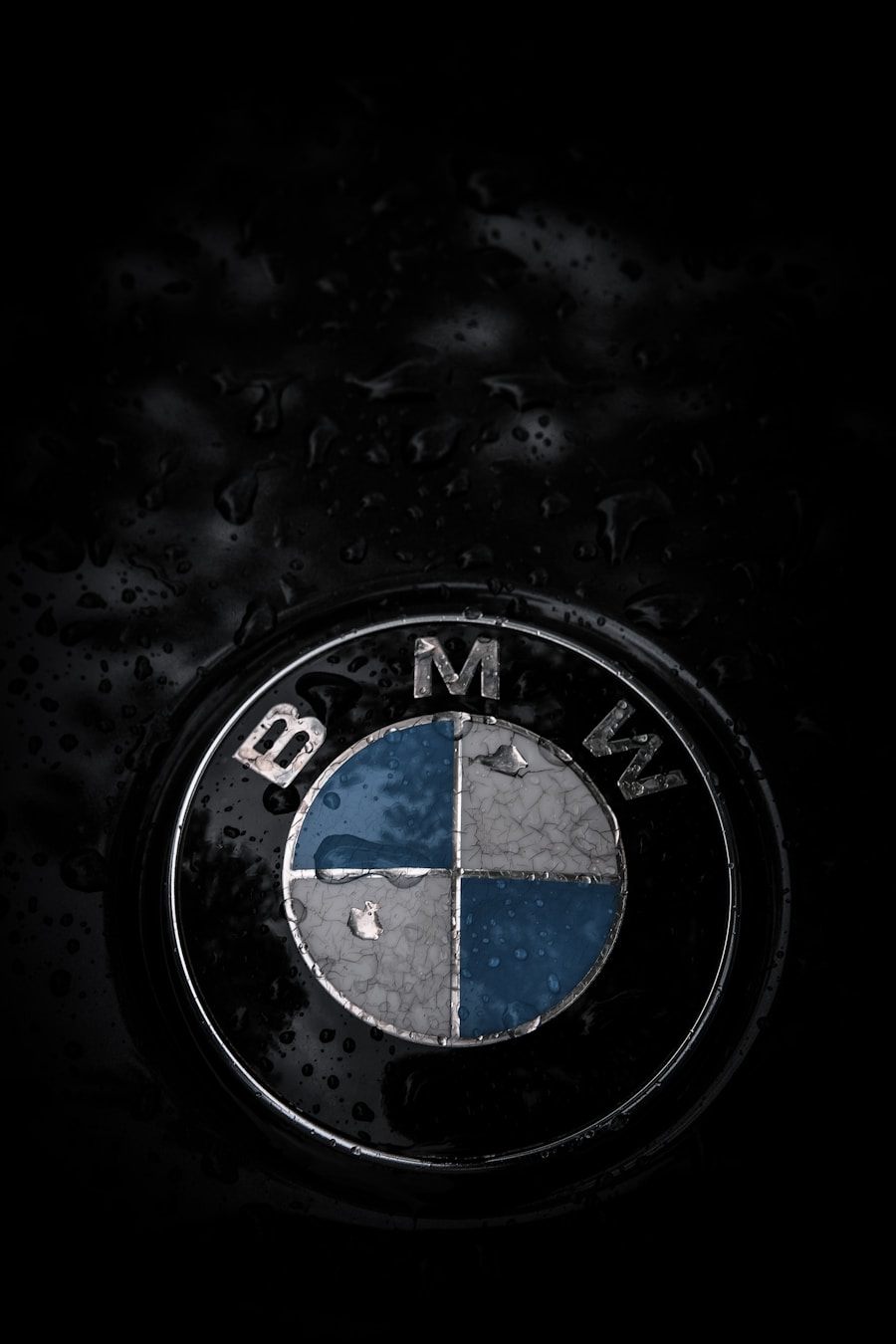
The iconic BMW logo has undergone several transformations since its inception, yet its core elements have remained consistent. The logo features a circular design with alternating quadrants of blue and white, representing the colors of the Bavarian flag. This connection to Bavaria is significant, as it roots the brand in its geographical heritage while also symbolizing its commitment to quality and craftsmanship.
Interestingly, many people mistakenly believe that the logo represents a spinning propeller, a nod to BMW’s aviation roots. While this interpretation is not officially recognized, it reflects the brand’s historical connection to flight and engineering excellence. Over the years, the logo has evolved in terms of design and presentation but has consistently maintained its core symbolism, reinforcing BMW’s identity as a manufacturer of high-performance vehicles.
BMW’s Impact on the Automotive Industry: Innovations and Milestones
BMW has consistently pushed the boundaries of automotive engineering, introducing numerous innovations that have shaped the industry. One of the most significant milestones was the launch of the BMW 328 in 1936. This sports car was renowned for its lightweight construction and aerodynamic design, which contributed to its success in racing.
The 328’s engineering principles laid the foundation for future models and established BMW as a leader in performance-oriented vehicles. Another landmark innovation came with the introduction of the BMW 507 in the 1950s. This luxury roadster combined stunning design with advanced engineering, showcasing BMW’s ability to blend aesthetics with performance.
The 507 not only captured the attention of celebrities and affluent buyers but also solidified BMW’s reputation as a manufacturer of desirable luxury vehicles. These milestones reflect BMW’s commitment to innovation and excellence, which continues to resonate in its modern offerings.
BMW’s Expansion into Luxury Cars: The Shift from Economy to Elegance
Breaking into the Luxury Segment
As consumer preferences evolved throughout the latter half of the 20th century, BMW recognized an opportunity to expand into the luxury car market. The introduction of the BMW 7 Series in 1977 marked a significant shift for the brand, positioning it as a competitor against established luxury automakers like Mercedes-Benz and Audi. The 7 Series combined cutting-edge technology with opulent features, appealing to discerning buyers seeking both comfort and performance.
Consolidating Luxury with Subsequent Models
This strategic move into luxury was further solidified with subsequent models such as the 5 Series and 3 Series, which offered a blend of sportiness and sophistication. The success of these models allowed BMW to establish itself as a premium brand while maintaining its performance-oriented roots.
Adapting to Changing Market Demands
Today, BMW’s luxury lineup includes not only sedans but also SUVs and electric vehicles, reflecting its adaptability to changing market demands.
BMW’s Influence on Motorsports: Racing and Performance Heritage
Motorsports have played an integral role in shaping BMW’s identity and engineering philosophy. The company’s involvement in racing dates back to the early days of automobile production, with notable successes in events like the Mille Miglia and Le Mans. These racing endeavors not only showcased BMW’s engineering capabilities but also provided valuable insights that informed production models.
The introduction of the M division in 1972 marked a pivotal moment in BMW’s motorsport legacy. The M1 supercar was developed for both racing and road use, embodying the brand’s commitment to performance. Subsequent models like the M3 and M5 further solidified BMW’s reputation as a manufacturer of high-performance vehicles.
Today, BMW continues to compete at various levels of motorsport, including Formula E and touring car championships, reinforcing its dedication to performance and innovation.
The Global Reach of BMW: How the Brand Became a Worldwide Phenomenon
BMW’s ascent to global prominence can be attributed to its strategic expansion efforts throughout the late 20th century. By establishing production facilities in key markets such as the United States and China, BMW effectively localized its operations while maintaining high standards of quality. The Spartanburg plant in South Carolina has become one of the largest production facilities for SUVs globally, producing popular models like the X3 and X5.
Additionally, BMW has successfully cultivated a strong brand image through targeted marketing campaigns that emphasize its performance heritage and luxury appeal. Collaborations with high-profile events such as art exhibitions and fashion shows have further enhanced its visibility among affluent consumers worldwide. As a result, BMW has become synonymous with luxury and performance across diverse markets, solidifying its status as a global automotive powerhouse.
The Future of BMW: Looking Ahead to the Next Chapter in the Company’s History
As we look toward the future, BMW is poised to navigate an evolving automotive landscape characterized by electrification and sustainability. The company has committed to investing heavily in electric vehicle (EV) technology, with plans to launch numerous fully electric models by 2025 under its “i” sub-brand. This shift reflects not only changing consumer preferences but also regulatory pressures aimed at reducing carbon emissions.
Moreover, BMW is exploring advancements in autonomous driving technology, aiming to integrate cutting-edge features into its vehicles while ensuring safety and reliability. The company’s focus on connectivity will also play a crucial role in enhancing user experience through smart technology integration. As BMW embraces these innovations, it remains dedicated to preserving its core values of performance and driving pleasure while adapting to meet future challenges head-on.
In conclusion, BMW’s rich history is marked by innovation, resilience, and an unwavering commitment to excellence. From its humble beginnings as an aircraft engine manufacturer to becoming a global leader in luxury automobiles, BMW has consistently pushed boundaries while staying true to its roots. As it embarks on this new chapter focused on sustainability and technology, one thing remains clear: BMW will continue to shape the future of mobility while honoring its storied legacy.
If you are interested in learning more about BMW’s history and evolution, you may want to check out the article “The Evolution of BMW’s Design Language” on their website. This article delves into how BMW’s design philosophy has evolved over the years, from their early days as a manufacturer of aircraft engines to their current status as a producer of luxury cars. You can read more about it here.
FAQs
What is the history of BMW?
BMW, which stands for Bayerische Motoren Werke, was originally founded as an aircraft engine manufacturer in 1916. After World War I, BMW shifted its focus to motorcycle production and eventually began producing automobiles in the 1920s.
When did BMW start producing luxury cars?
BMW began producing luxury cars in the 1930s with the introduction of the BMW 303, which featured a six-cylinder engine and a streamlined design.
How did BMW become known for luxury cars?
BMW’s reputation for luxury cars grew in the 1960s and 1970s with the introduction of the “New Class” of vehicles, which included the iconic BMW 2002. These cars were known for their sporty performance and high-quality craftsmanship.
What are some notable BMW models throughout history?
Some notable BMW models throughout history include the BMW 3 Series, which has been in production since 1975 and is known for its performance and handling, and the BMW 7 Series, which is the flagship luxury sedan of the BMW lineup.
How has BMW evolved over the years?
BMW has evolved from a manufacturer of aircraft engines to a leading producer of luxury automobiles. The company has also expanded its product line to include electric and hybrid vehicles, as well as motorcycles and bicycles.