
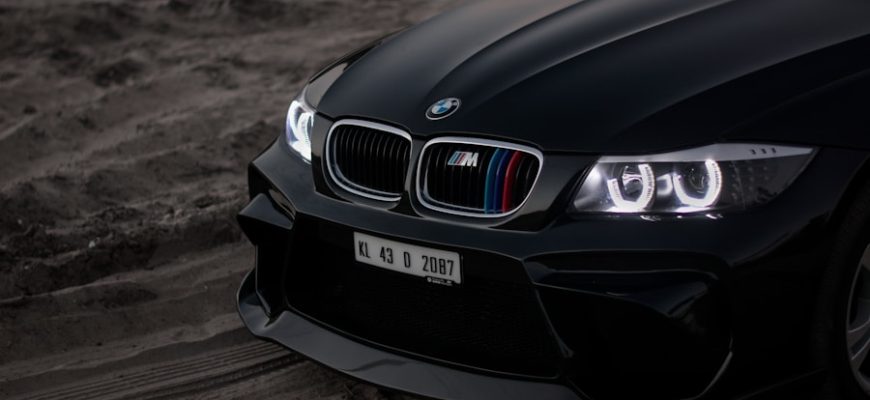
BMW’s foray into motorsport began in the early 20th century, but it was the establishment of BMW M GmbH in 1972 that marked a pivotal moment in automotive history. Originally created to facilitate BMW’s racing endeavors, the M division quickly evolved into a brand synonymous with high-performance vehicles. The first significant model to emerge from this division was the BMW 3.0 CSL, which not only dominated the racetracks but also laid the groundwork for what would become a legendary lineage of performance cars.
The CSL, affectionately known as the “Batmobile” due to its distinctive aerodynamic features, showcased BMW’s commitment to blending racing technology with everyday drivability. The ethos of BMW M was rooted in the idea of bringing motorsport technology to the public. This philosophy was encapsulated in the M badge, which signified not just performance but also a connection to BMW’s racing heritage.
The M division’s engineers and designers worked tirelessly to develop vehicles that could deliver exhilarating performance while maintaining the luxury and comfort expected from a BMW. This duality became a hallmark of the M brand, setting it apart from competitors and establishing a loyal following among automotive enthusiasts.
- Key Takeaways
- The Evolution of the BMW M Series: From Racing to Street
- The Birth of a Legend: The BMW M1
- The Iconic BMW M3
- A New Era for High-Performance Vehicles
- The Influence of BMW Motorsport on the M Series
- Iconic BMW M Models: A Look at the Most Memorable
- The Impact of BMW M on Motorsport Racing
- The Legacy of BMW M: How Motorsport Heritage Continues to Shape the Road
- The Future of BMW M: Innovations and Advancements in Motorsport Technology
- The Cultural Impact of BMW M: How Motorsport Heritage Transcends the Road
- FAQs
- What is the BMW M Series?
- When was the first BMW M Series vehicle produced?
- What is the motorsport heritage of the BMW M Series?
- What are some iconic BMW M Series models?
- How has the BMW M Series influenced BMW’s road cars?
Key Takeaways
- BMW M series was born out of the brand’s motorsport heritage, bringing racing technology to the road.
- The evolution of BMW M series has seen a transition from racing to street, with a focus on performance and precision engineering.
- BMW Motorsport has had a significant influence on the development of the M series, shaping its design and driving dynamics.
- Iconic BMW M models have left a lasting impression, with cars like the M3 and M5 becoming synonymous with high-performance driving.
- BMW M’s impact on motorsport racing has been significant, with the brand’s technology and expertise shaping the competitive landscape.
The Evolution of the BMW M Series: From Racing to Street
The Birth of a Legend: The BMW M1
The introduction of the BMW M1 in 1978 marked a significant milestone; it was the first car developed solely by BMW M. With its mid-engine layout and lightweight construction, the M1 was designed for both racing and road use, embodying the spirit of competition while appealing to everyday drivers. Its design and performance set a precedent for future models, showcasing how motorsport principles could be integrated into consumer vehicles.
The Iconic BMW M3
The 1980s saw further evolution with the launch of the BMW M3, which would become one of the most iconic models in automotive history. The E30 M3, in particular, is celebrated for its balance, agility, and raw driving experience. It was engineered for Group A racing, yet it became a favorite among enthusiasts for its practicality and performance on public roads.
A New Era for High-Performance Vehicles
This model solidified the M Series as a staple in both motorsport and everyday driving, demonstrating that high-performance vehicles could be accessible and enjoyable for a broader audience.
The Influence of BMW Motorsport on the M Series

BMW Motorsport has played an instrumental role in shaping the M Series, with innovations and technologies developed on the racetrack often finding their way into production models. The close relationship between racing and road cars is evident in features such as lightweight materials, advanced aerodynamics, and high-revving engines. For instance, the use of lightweight components like carbon fiber reinforced plastic (CFRP) in models like the M4 G82 is a direct result of lessons learned from motorsport engineering.
Moreover, BMW’s success in various racing series has influenced the design philosophy of M vehicles. The engineering teams draw inspiration from their experiences on the track to enhance performance attributes such as handling, braking, and power delivery. This synergy ensures that each new M model not only pays homage to its racing roots but also incorporates cutting-edge technology that enhances the driving experience.
The result is a lineup of vehicles that are not only fast but also refined and capable of delivering an exhilarating ride on both track and street.
Iconic BMW M Models: A Look at the Most Memorable
Throughout its history, BMW has produced several iconic M models that have left an indelible mark on automotive culture. The E30 M3 is often hailed as one of the greatest sports cars ever made, thanks to its perfect blend of power, handling, and everyday usability. Its 2.3-liter four-cylinder engine produced 192 horsepower, allowing it to achieve remarkable performance figures while remaining approachable for drivers of all skill levels.
Another standout model is the E39 M5, which redefined what a sports sedan could be. With its 4.9-liter V8 engine producing 394 horsepower, it combined luxury with blistering speed and agility. The E39 M5 is often regarded as one of the best performance sedans ever built, earning accolades for its balance and refinement.
Its legacy continues to influence modern iterations of the M5, which strive to maintain that same level of excellence. The F80 M3 also deserves mention for its innovative approach to performance. Introduced in 2011, it featured a turbocharged inline-six engine that delivered impressive power while improving fuel efficiency compared to its predecessors.
This model showcased how BMW adapted to changing market demands while remaining true to its performance-oriented roots.
The Impact of BMW M on Motorsport Racing
BMW M’s influence extends far beyond road cars; it has made significant contributions to motorsport racing itself. The division has been involved in various racing series, including touring car championships and endurance racing events like the 24 Hours of Le Mans. The success of BMW’s racing teams has not only elevated the brand’s profile but has also driven technological advancements that benefit both race cars and consumer vehicles.
One notable achievement was BMW’s dominance in the DTM (Deutsche Tourenwagen Masters) series during the late 1980s and early 1990s. The E30 M3 became a legend on the track, winning numerous championships and solidifying its status as an icon of motorsport excellence. This success translated into increased interest in BMW’s road cars, as consumers sought to own a piece of that racing heritage.
In recent years, BMW has continued to innovate within motorsport through initiatives like Formula E, where it has embraced electric vehicle technology while maintaining its competitive edge. This commitment to racing not only showcases BMW’s adaptability but also reinforces its dedication to pushing boundaries in both performance and sustainability.
The Legacy of BMW M: How Motorsport Heritage Continues to Shape the Road
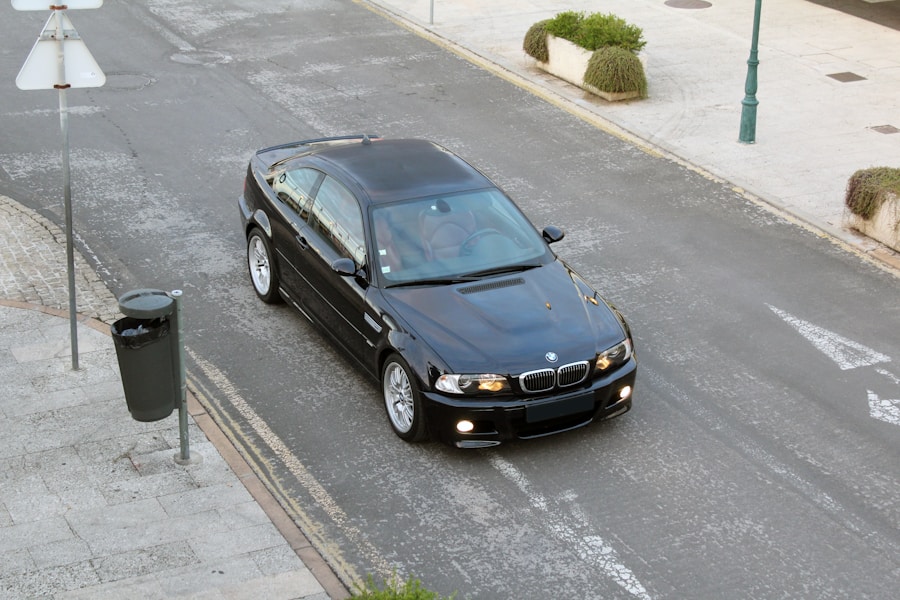
The legacy of BMW M is deeply intertwined with its motorsport heritage, influencing every aspect of its modern lineup. Each new model released under the M badge carries forward this rich history while incorporating contemporary advancements in technology and design. The commitment to performance remains unwavering; every vehicle is engineered with precision and passion, ensuring that drivers experience the thrill of motorsport every time they get behind the wheel.
Moreover, BMW’s dedication to innovation ensures that its vehicles remain at the forefront of automotive technology. Features such as adaptive suspension systems, advanced driver assistance technologies, and connectivity options are seamlessly integrated into M models without compromising their performance-oriented nature. This balance between heritage and modernity allows BMW to cater to a diverse audience while staying true to its roots.
The ongoing success of BMW M can also be attributed to its ability to adapt to changing consumer preferences. As electric vehicles gain traction in the automotive market, BMW has begun exploring hybrid and fully electric options within its M lineup. This forward-thinking approach ensures that the brand remains relevant while continuing to honor its storied past.
The Future of BMW M: Innovations and Advancements in Motorsport Technology
Looking ahead, BMW M is poised to embrace new technologies that will redefine performance standards in the automotive industry. With an increasing focus on electrification, future M models are expected to incorporate hybrid powertrains that deliver both power and efficiency. The upcoming BMW i4 M50 exemplifies this shift; it combines electric propulsion with traditional performance elements to create a unique driving experience.
Additionally, advancements in autonomous driving technology are likely to influence future M models. While purists may argue that driving should remain an engaging experience, integrating smart technologies can enhance safety without detracting from performance. Features such as adaptive cruise control and lane-keeping assistance can provide added convenience for daily driving while still allowing enthusiasts to enjoy spirited drives on winding roads.
Furthermore, BMW’s commitment to sustainability will shape future developments within the M division. As environmental concerns become increasingly prominent, expect innovations aimed at reducing emissions while maintaining exhilarating performance levels. This balance between sustainability and performance will be crucial for attracting a new generation of drivers who value both excitement and responsibility.
The Cultural Impact of BMW M: How Motorsport Heritage Transcends the Road
The cultural impact of BMW M extends far beyond mere automotive performance; it has become a symbol of passion and lifestyle for enthusiasts around the world. From motorsport events to car meets and social media communities, BMW M has cultivated a dedicated following that celebrates not just the cars themselves but also the shared experiences they create among owners and fans alike. The iconic status of models like the E30 M3 has led to a vibrant aftermarket culture where enthusiasts modify their vehicles for enhanced performance or unique aesthetics.
This community-driven approach fosters camaraderie among owners who share a common appreciation for engineering excellence and driving pleasure. Moreover, BMW M’s presence in popular culture—through films, music videos, and video games—has further solidified its status as an aspirational brand. The unmistakable roar of an M engine or the sleek lines of an M car evoke emotions that resonate with fans across generations.
This cultural significance ensures that BMW M will continue to inspire future enthusiasts while remaining deeply rooted in its motorsport heritage. In conclusion, BMW M represents more than just high-performance vehicles; it embodies a legacy built on innovation, passion, and a commitment to excellence that transcends time and trends. As it moves forward into an electrified future while honoring its storied past, BMW M will undoubtedly continue to shape both motorsport and everyday driving experiences for generations to come.
If you are interested in learning more about the latest BMW models and technology, be sure to check out the article Test Post Two: Exploring the Future of BMW Innovation. This article delves into the cutting-edge features and advancements that BMW is incorporating into their vehicles, providing a glimpse into the future of automotive technology.
FAQs
What is the BMW M Series?
The BMW M Series is a line of high-performance vehicles developed by BMW’s in-house motorsport division, BMW M GmbH. These vehicles are known for their enhanced performance, handling, and styling.
When was the first BMW M Series vehicle produced?
The first BMW M Series vehicle, the BMW M1, was produced from 1978 to 1981. It was a mid-engined sports car and the first vehicle to be developed by BMW’s motorsport division.
What is the motorsport heritage of the BMW M Series?
The BMW M Series has a strong motorsport heritage, with many of its technologies and design elements being derived from BMW’s racing efforts. The division has been involved in various racing series, including Formula 1, touring car racing, and endurance racing.
What are some iconic BMW M Series models?
Some iconic BMW M Series models include the BMW M3, M5, and M6. These vehicles are known for their high-performance engines, sporty handling, and aggressive styling.
How has the BMW M Series influenced BMW’s road cars?
The technologies and innovations developed for the BMW M Series have often been incorporated into BMW’s mainstream road cars. This includes advancements in engine performance, chassis dynamics, and aerodynamics.