
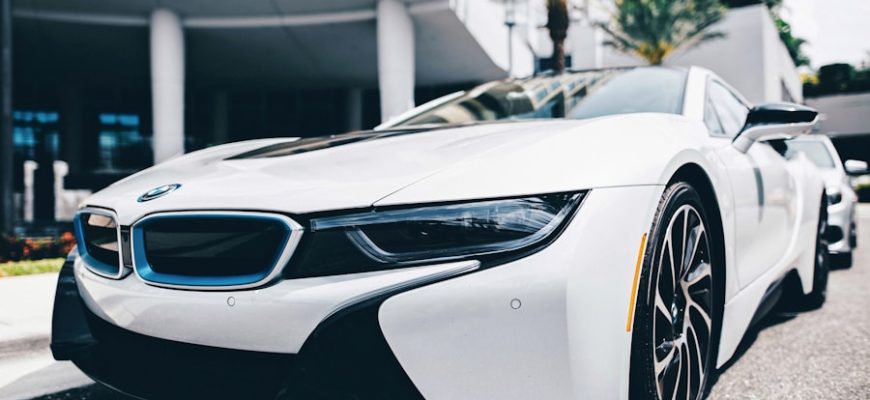
The BMW i8 emerged as a revolutionary force in the automotive landscape when it was unveiled in 2014. As a plug-in hybrid sports car, it combined the performance characteristics of a traditional sports car with the efficiency of electric power. This duality not only showcased BMW’s engineering prowess but also marked a significant shift in the brand’s approach to sustainability and performance.
The i8 was not merely a vehicle; it was a statement that high-performance cars could coexist with environmental responsibility. With its futuristic design and advanced technology, the i8 captured the imagination of car enthusiasts and eco-conscious consumers alike. It was a bold step into the future, representing BMW’s commitment to innovation and sustainability.
The i8’s introduction was part of BMW’s broader i Series, which aimed to redefine mobility through electric and hybrid technologies. This initiative positioned BMW as a leader in the transition towards greener automotive solutions, setting a benchmark for competitors in the industry.
- Key Takeaways
- The Innovative Design and Technology of the BMW i8 Hybrid Sports Car
- The Environmental Impact and Efficiency of the BMW Plug-In Hybrid
- The Initial Success and Popularity of the BMW i8
- The Challenges and Setbacks Faced by the BMW i8 in the Market
- The Impact of Competing Electric and Hybrid Vehicles on the BMW i8
- The Legacy of the BMW i8: Paving the Way for Future Electric and Hybrid Cars
- The BMW i8 – Was it Truly Ahead of Its Time?
- FAQs
- What is the BMW i8?
- What made the BMW i8 unique?
- Why was the BMW i8 considered ahead of its time?
- What led to the fall of the BMW i8?
- What is the legacy of the BMW i8?
Key Takeaways
- The BMW i8 is a game-changer in the automotive industry, combining cutting-edge technology with a sleek and innovative design.
- The hybrid sports car features a unique combination of electric and gasoline power, making it both environmentally friendly and high-performing.
- The BMW i8 has a positive environmental impact and is highly efficient, with its plug-in hybrid system reducing emissions and fuel consumption.
- The initial success and popularity of the BMW i8 showcased the demand for high-performance, eco-friendly vehicles in the market.
- Despite its initial success, the BMW i8 faced challenges and setbacks in the market, including competition from other electric and hybrid vehicles.
The Innovative Design and Technology of the BMW i8 Hybrid Sports Car
The design of the BMW i8 is nothing short of breathtaking, characterized by its sleek lines and aerodynamic silhouette. The car features scissor doors that open upward, giving it an unmistakable presence on the road. Its lightweight carbon-fiber-reinforced plastic (CFRP) body not only enhances aesthetics but also contributes to improved performance and efficiency.
The i8’s design is a perfect blend of form and function, showcasing BMW’s commitment to both style and engineering excellence. Under the hood, the i8 is powered by a 1.5-liter three-cylinder turbocharged engine paired with an electric motor, producing a combined output of 369 horsepower. This innovative powertrain allows the i8 to accelerate from 0 to 60 mph in just 4.2 seconds, rivaling many traditional sports cars.
The intelligent energy management system optimizes power distribution between the gasoline engine and electric motor, ensuring that performance is never compromised for efficiency. Additionally, the i8 features regenerative braking technology, which captures energy during braking and feeds it back into the battery, further enhancing its efficiency.
The Environmental Impact and Efficiency of the BMW Plug-In Hybrid
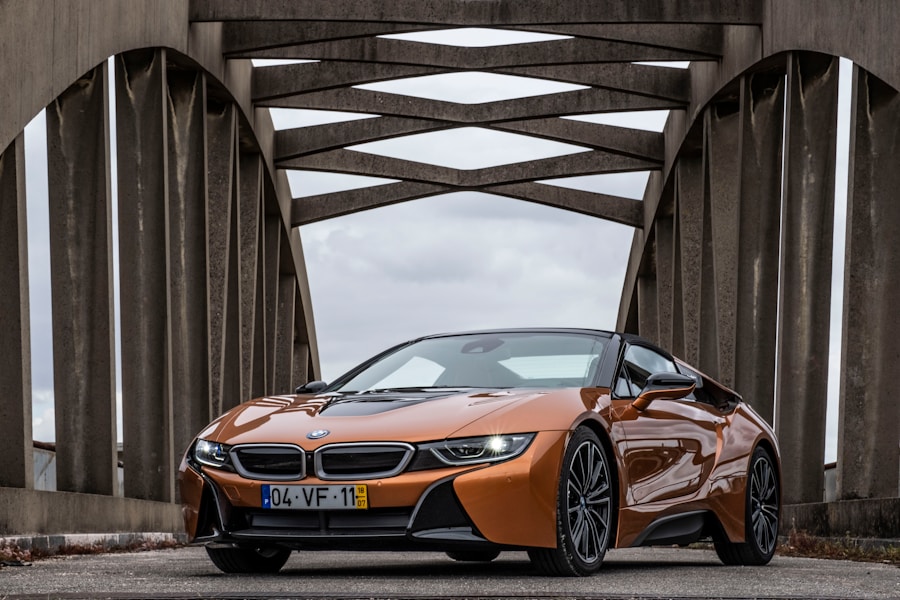
The BMW i8 was designed with environmental consciousness at its core. Its plug-in hybrid system allows for an all-electric range of approximately 15 miles, making it suitable for short commutes without relying on fossil fuels. This capability is particularly appealing in urban environments where emissions regulations are becoming increasingly stringent.
The i8’s combined fuel economy rating of around 76 MPGe (miles per gallon equivalent) underscores its efficiency, making it one of the most economical sports cars available at its launch. Moreover, the i8’s production process reflects BMW’s commitment to sustainability. The company implemented eco-friendly practices in manufacturing, including energy-efficient production methods and sustainable sourcing of materials.
By utilizing renewable energy sources in its factories, BMW aimed to minimize the carbon footprint associated with producing the i8. This holistic approach to sustainability not only enhances the vehicle’s appeal but also aligns with the growing consumer demand for environmentally responsible products.
The Initial Success and Popularity of the BMW i8
Upon its release, the BMW i8 quickly garnered attention from both critics and consumers. Its striking design and impressive performance made it a favorite among automotive journalists, earning accolades such as “World Green Car of the Year” in 2015. The i8 became a symbol of luxury and innovation, attracting affluent buyers who were eager to embrace cutting-edge technology without sacrificing performance.
Sales figures reflected this initial success, with thousands of units sold globally within its first few years on the market. The i8’s unique positioning as a hybrid sports car allowed it to carve out a niche in a competitive segment dominated by traditional gasoline-powered vehicles. Its appeal extended beyond performance enthusiasts; environmentally conscious consumers were drawn to its hybrid capabilities, making it a versatile choice for a diverse audience.
The Challenges and Setbacks Faced by the BMW i8 in the Market
Despite its initial success, the BMW i8 faced several challenges that hindered its long-term viability in the market. One significant issue was its price point; starting at around $140,000, it was positioned as a luxury vehicle that limited its accessibility to a broader audience. While its performance and technology justified the cost for many buyers, others found it difficult to reconcile such an investment with the practicality of a hybrid vehicle.
Additionally, as competitors began to enter the hybrid and electric vehicle market with more affordable options, the i8 struggled to maintain its market share. Brands like Tesla introduced models that offered impressive performance and range at lower price points, appealing to a growing demographic of eco-conscious consumers. This shift in consumer preferences posed a challenge for the i8, as potential buyers began to weigh their options more critically.
The Impact of Competing Electric and Hybrid Vehicles on the BMW i8

The automotive landscape has evolved rapidly since the launch of the BMW i8, with numerous manufacturers introducing electric and hybrid vehicles that rival its performance and efficiency. Tesla’s Model S and Model 3 have set new standards for electric vehicles, offering impressive range and cutting-edge technology at competitive prices. Other automakers like Porsche with their Taycan and Audi with their e-tron series have also entered the fray, further intensifying competition in this segment.
As these competitors gained traction, they began to overshadow the i8’s unique selling points. Consumers increasingly sought vehicles that offered not only performance but also advanced technology features such as autonomous driving capabilities and extensive connectivity options. The i8’s relatively limited technological offerings compared to newer models made it less appealing to tech-savvy buyers looking for a comprehensive driving experience.
The Legacy of the BMW i8: Paving the Way for Future Electric and Hybrid Cars
Despite facing challenges in a rapidly changing market, the legacy of the BMW i8 remains significant. It served as a catalyst for change within BMW itself, influencing the development of subsequent models in the brand’s lineup. The lessons learned from the i8 have informed BMW’s approach to electric mobility, leading to innovations seen in models like the fully electric BMW i4 and The i8 also played a crucial role in shifting public perception regarding hybrid vehicles.
By demonstrating that hybrids could deliver exhilarating performance without compromising on sustainability, it helped pave the way for broader acceptance of electric and hybrid technologies across various segments of the automotive market. As consumers become increasingly aware of environmental issues, vehicles like the i8 have laid the groundwork for future innovations that prioritize both performance and ecological responsibility.
The BMW i8 – Was it Truly Ahead of Its Time?
In retrospect, one could argue that the BMW i8 was indeed ahead of its time. Its combination of striking design, advanced technology, and hybrid efficiency positioned it as a pioneer in an era where sustainability was just beginning to gain traction in consumer consciousness. While it faced challenges from competitors and shifting market dynamics, its impact on both BMW and the automotive industry as a whole cannot be overstated.
The i8’s legacy continues to influence how manufacturers approach electric mobility today. As we move towards an increasingly electrified future, vehicles like the BMW i8 remind us that innovation often requires bold steps into uncharted territory. Whether viewed as a commercial success or not, its role in shaping perceptions around hybrid technology ensures that it will be remembered as a significant milestone in automotive history.
If you are interested in learning more about BMW’s privacy policy, you can visit their website here. Additionally, if you have any questions or concerns about BMW vehicles, you can contact them here. For more automotive-related content, you can check out this test post on their website here.
FAQs
What is the BMW i8?
The BMW i8 is a plug-in hybrid sports car that was produced by the German automaker BMW. It was first introduced as a concept car at the 2009 Frankfurt Motor Show and went into production in 2014.
What made the BMW i8 unique?
The BMW i8 was unique for its futuristic design, advanced plug-in hybrid technology, and lightweight carbon fiber construction. It featured a 1.5-liter turbocharged three-cylinder engine combined with an electric motor, providing both performance and efficiency.
Why was the BMW i8 considered ahead of its time?
The BMW i8 was considered ahead of its time due to its innovative approach to combining electric and gasoline power, as well as its futuristic design and use of lightweight materials. It was one of the first plug-in hybrid sports cars to enter the market and showcased BMW’s commitment to sustainable mobility.
What led to the fall of the BMW i8?
The decline in sales of the BMW i8 can be attributed to several factors, including the rapid advancement of electric vehicle technology, changing consumer preferences, and the introduction of newer, more advanced electric and hybrid vehicles by competitors. Additionally, the i8’s limited electric range and high price tag may have also contributed to its decline in popularity.
What is the legacy of the BMW i8?
The BMW i8’s legacy lies in its role as a pioneering vehicle that pushed the boundaries of hybrid and electric vehicle technology. It served as a symbol of BMW’s commitment to innovation and sustainability, paving the way for future electric and hybrid models from the automaker. Despite its decline in sales, the i8 remains a significant milestone in the automotive industry’s shift towards electrification.