
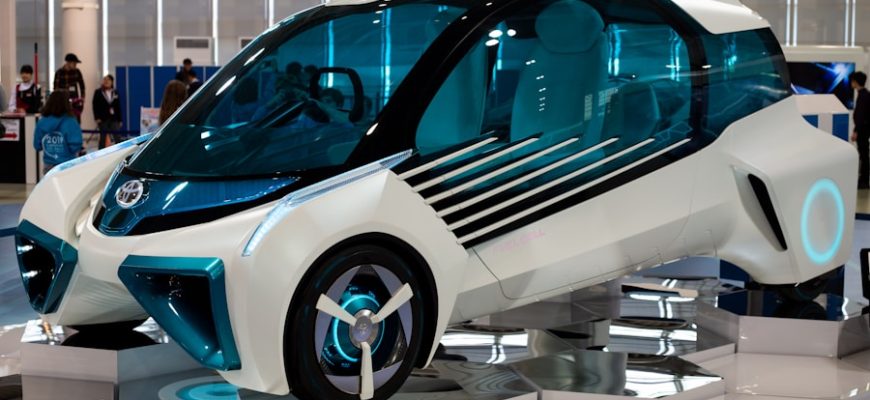
BMW has long been recognized as a leader in automotive innovation, and its commitment to electric vehicle (EV) development is no exception. As the global automotive landscape shifts towards sustainability, BMW has positioned itself at the forefront of this transition, blending performance with environmental responsibility. The company’s strategic vision encompasses not only the production of electric vehicles but also the integration of advanced technologies that enhance the driving experience while reducing carbon footprints.
This dual focus on performance and sustainability has allowed BMW to carve out a significant niche in the burgeoning EV market. The urgency for automakers to pivot towards electric mobility has never been more pronounced, driven by regulatory pressures and consumer demand for greener alternatives. BMW’s proactive approach to EV development reflects its understanding of these dynamics.
By investing in research and development, the company aims to create vehicles that not only meet but exceed the expectations of modern drivers. This commitment is evident in BMW’s ambitious plans for electrification, which include a diverse lineup of fully electric and hybrid models designed to cater to various consumer needs.
- Key Takeaways
- BMW’s Early Involvement in Electric Vehicle Technology
- The Early Experimentation
- The BMW E1: A Valuable Learning Experience
- Laying the Groundwork for the Future
- The Evolution of BMW’s Electric Vehicle Offerings
- The Impact of BMW’s i Series on Electric Vehicle Development
- BMW’s Contribution to Electric Vehicle Infrastructure
- BMW’s Collaborations and Partnerships in Electric Vehicle Development
- The Future of BMW’s Electric Vehicle Initiatives
- BMW’s Ongoing Influence on the Electric Vehicle Industry
- FAQs
- What is BMW’s role in electric vehicle development?
- What electric vehicles has BMW developed?
- How has BMW contributed to the advancement of electric vehicle technology?
- What is BMW’s vision for the future of electric vehicles?
Key Takeaways
- BMW has been a key player in the development of electric vehicles, with a strong focus on innovation and sustainability.
- BMW has been involved in electric vehicle technology since the early stages, with the development of the MINI E and the BMW ActiveE.
- BMW’s electric vehicle offerings have evolved over the years, with the introduction of the BMW i3 and i8, showcasing the brand’s commitment to electric mobility.
- The BMW i Series has had a significant impact on electric vehicle development, pushing the boundaries of design and technology in the industry.
- BMW has made significant contributions to electric vehicle infrastructure, including the development of charging stations and partnerships with energy companies.
BMW’s Early Involvement in Electric Vehicle Technology
The Early Experimentation
The 1602 Electric was equipped with a lead-acid battery, providing a modest range, but it marked a significant step towards understanding the potential of electric propulsion. In the following decades, BMW continued to experiment with electric technology, culminating in the development of the BMW E1 in the early 1990s.
The BMW E1: A Valuable Learning Experience
The BMW E1 was a compact electric vehicle designed for urban commuting, featuring a lightweight design that maximized efficiency. Although it never reached production, it served as a valuable learning experience for BMW engineers, who gained insights into battery management systems and electric drivetrains.
Laying the Groundwork for the Future
These early endeavors set the stage for BMW’s more serious commitment to electric mobility in the 21st century. The company’s willingness to explore new technologies and its continued experimentation with electric vehicles have paved the way for its current lineup of electric and hybrid models.
The Evolution of BMW’s Electric Vehicle Offerings

The turn of the millennium marked a pivotal moment for BMW as it began to ramp up its electric vehicle offerings. The introduction of the BMW ActiveE in 2011 represented a significant leap forward, as it was based on the popular 1 Series coupe and featured a fully electric drivetrain. With a range of approximately 100 miles on a single charge, the ActiveE was aimed at early adopters and provided valuable data for BMW’s engineers as they prepared for larger-scale production of electric vehicles.
The launch of the i3 in 2013 further solidified BMW’s commitment to electric mobility. As one of the first premium electric vehicles on the market, the i3 combined innovative design with sustainable materials, such as carbon fiber reinforced plastic (CFRP) for its body structure. This model not only showcased BMW’s engineering prowess but also highlighted its dedication to sustainability.
The i3’s success paved the way for subsequent models, including the i8 plug-in hybrid sports car, which blended performance with eco-friendliness.
The Impact of BMW’s i Series on Electric Vehicle Development
The i Series has been instrumental in shaping perceptions of electric vehicles within the automotive industry. By positioning the i3 and i8 as premium offerings, BMW challenged the notion that electric vehicles were merely utilitarian or low-performance options. The i3’s unique design and urban-friendly dimensions appealed to a new generation of environmentally conscious consumers, while the i8 showcased how electric technology could enhance performance without compromising on style.
Moreover, the i Series has served as a testing ground for various technologies that have since been integrated into BMW’s broader lineup. Features such as regenerative braking, advanced battery management systems, and lightweight construction techniques were first introduced in the i models before being adapted for other vehicles. This cross-pollination of technology has allowed BMW to enhance its entire range while reinforcing its reputation as an innovator in electric mobility.
BMW’s Contribution to Electric Vehicle Infrastructure
Recognizing that vehicle availability alone is insufficient for widespread adoption of electric mobility, BMW has actively contributed to developing EV infrastructure. The company has partnered with various stakeholders to expand charging networks globally, ensuring that drivers have access to convenient charging solutions. Initiatives like ChargeNow provide customers with access to an extensive network of charging stations, making it easier for them to transition to electric vehicles.
Additionally, BMW has invested in fast-charging technology through collaborations with companies like ChargePoint and Siemens. These partnerships aim to reduce charging times significantly, addressing one of the primary concerns potential EV buyers have: range anxiety. By facilitating faster charging solutions, BMW is not only enhancing the ownership experience but also encouraging more consumers to consider electric vehicles as viable alternatives to traditional combustion engines.
BMW’s Collaborations and Partnerships in Electric Vehicle Development

Collaboration has been a cornerstone of BMW’s strategy in advancing electric vehicle technology. The company has engaged in numerous partnerships with tech firms, energy providers, and other automakers to accelerate innovation and share knowledge. One notable collaboration is with Toyota, which began in 2011 and focuses on developing hydrogen fuel cell technology alongside battery-electric systems.
This partnership exemplifies BMW’s commitment to exploring multiple avenues for sustainable mobility. Furthermore, BMW has joined forces with other automotive manufacturers through initiatives like the Charging Interface Initiative (CharIN), which aims to standardize charging systems across different brands. By working together with competitors, BMW is helping to create a more cohesive charging ecosystem that benefits all EV users.
These collaborations not only enhance technological advancements but also foster a sense of community within the industry as it navigates the transition towards electrification.
The Future of BMW’s Electric Vehicle Initiatives
Looking ahead, BMW is poised to expand its electric vehicle initiatives significantly. The company has set ambitious targets for electrification, aiming for at least 50% of its global sales to come from fully electric vehicles by 2030. This goal reflects a broader industry trend towards electrification but underscores BMW’s determination to lead rather than follow.
Upcoming models like the iX3 and i4 are set to redefine what consumers can expect from electric vehicles in terms of performance and luxury. The iX3 will be an all-electric version of BMW’s popular X3 SUV, while the i4 aims to deliver a sporty driving experience akin to traditional BMW models but powered entirely by electricity. These vehicles will incorporate cutting-edge technologies such as advanced driver assistance systems and enhanced connectivity features, ensuring that they meet the demands of modern drivers.
BMW’s Ongoing Influence on the Electric Vehicle Industry
BMW’s journey in electric vehicle development is marked by innovation, collaboration, and a commitment to sustainability. From its early experiments with electric technology to its current lineup of cutting-edge EVs, the company has consistently pushed boundaries while maintaining its core values of performance and luxury. As it continues to invest in research and infrastructure, BMW is not only shaping its future but also influencing the broader automotive landscape.
The company’s proactive approach serves as a model for other manufacturers navigating the complexities of electrification. By prioritizing both technological advancement and consumer needs, BMW is well-positioned to remain a key player in the evolving electric vehicle market. As we look towards a future where electric mobility becomes increasingly mainstream, BMW’s legacy will undoubtedly play a significant role in defining what is possible within this exciting new era of transportation.
In a recent article discussing The Role of BMW in Electric Vehicle Development, it is interesting to note how the company’s commitment to sustainability is reflected in their innovative approach to electric vehicles. For further insights into BMW’s dedication to environmental responsibility, readers may also be interested in exploring their privacy policy, which likely outlines their efforts to protect customer data and uphold ethical business practices.
FAQs
What is BMW’s role in electric vehicle development?
BMW has been a key player in the development of electric vehicles, with a strong focus on sustainability and innovation. The company has invested heavily in research and development to create electric vehicles that meet the needs of modern consumers.
What electric vehicles has BMW developed?
BMW has developed several electric vehicles, including the BMW i3 and the BMW i8. These vehicles are designed to be both environmentally friendly and high-performing, showcasing BMW’s commitment to sustainability and cutting-edge technology.
How has BMW contributed to the advancement of electric vehicle technology?
BMW has contributed to the advancement of electric vehicle technology through its investment in research and development. The company has developed innovative battery technology, electric drivetrains, and charging infrastructure to improve the performance and usability of electric vehicles.
What is BMW’s vision for the future of electric vehicles?
BMW envisions a future where electric vehicles play a significant role in sustainable transportation. The company is committed to expanding its electric vehicle lineup and investing in new technologies to make electric vehicles more accessible and practical for consumers.