BMW Brochures
Original BMW sales brochures for the United States market, scanned as PDF and readable as text. The oldest is from 1955. Every document here is published in full, free, with no sign-up, and with its contents recognized so you can search inside it and quote from it.
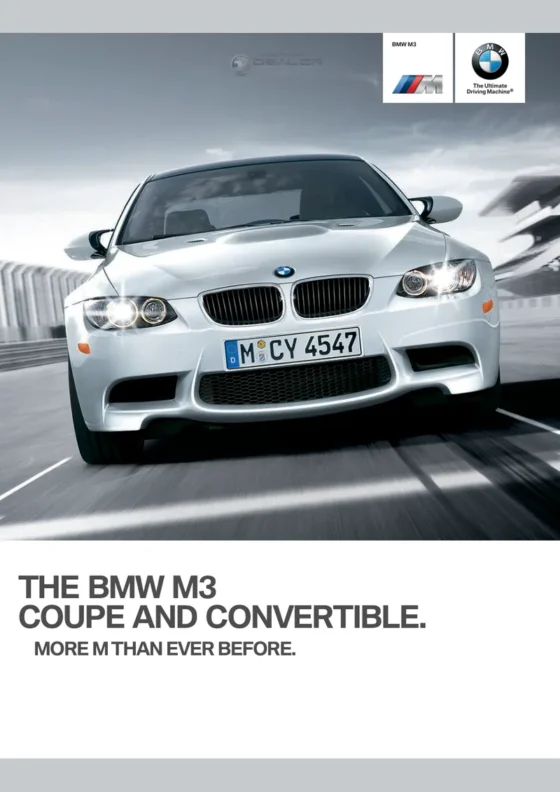
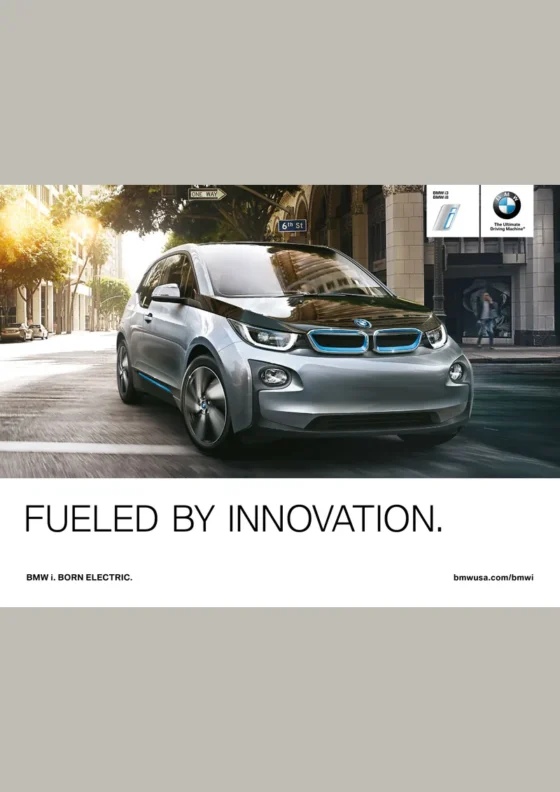
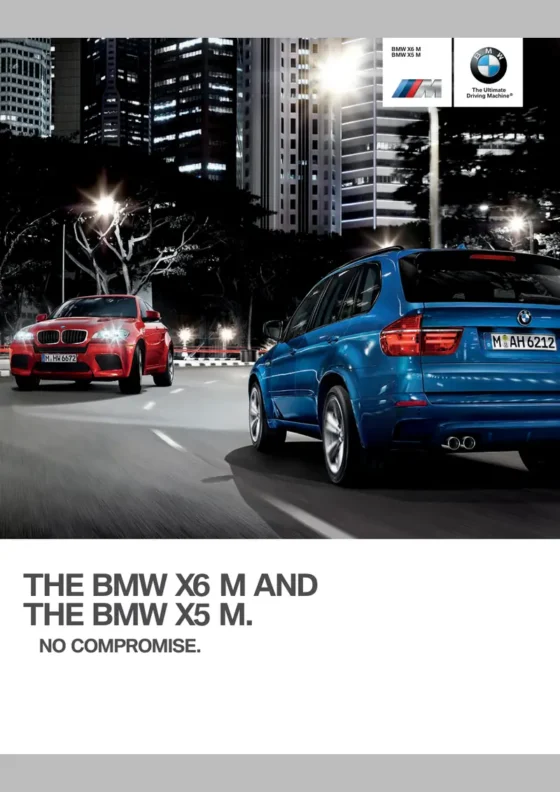
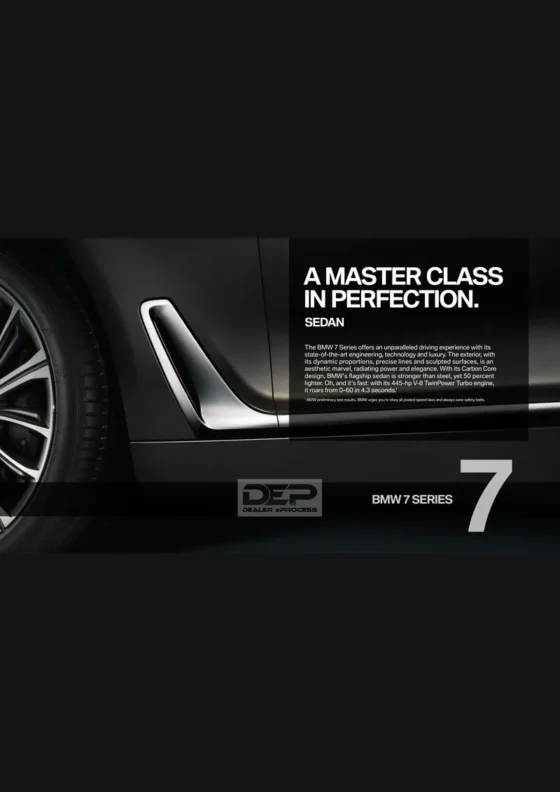
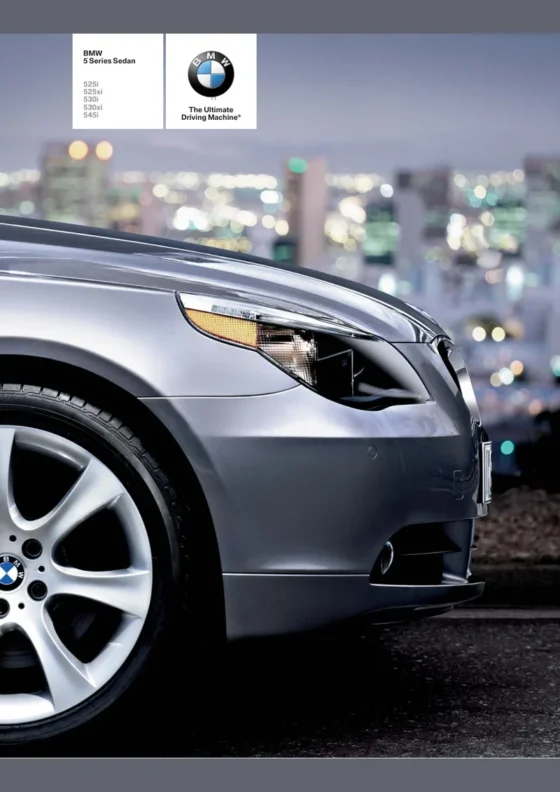
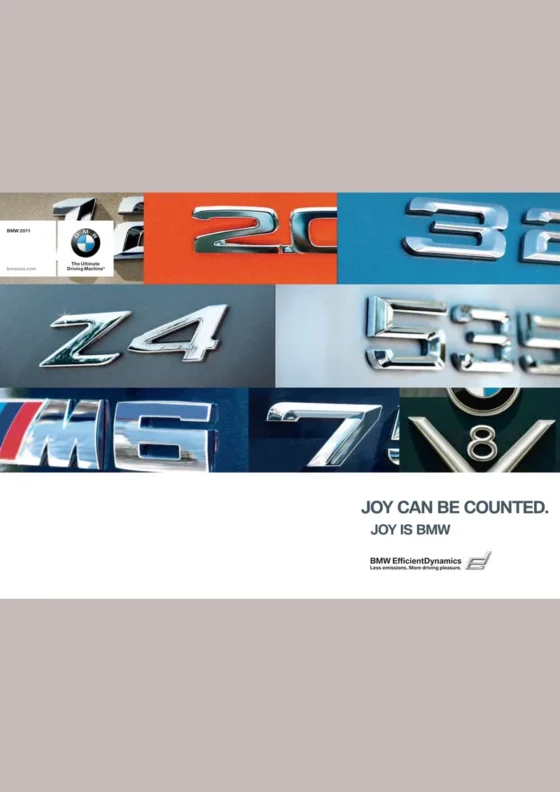
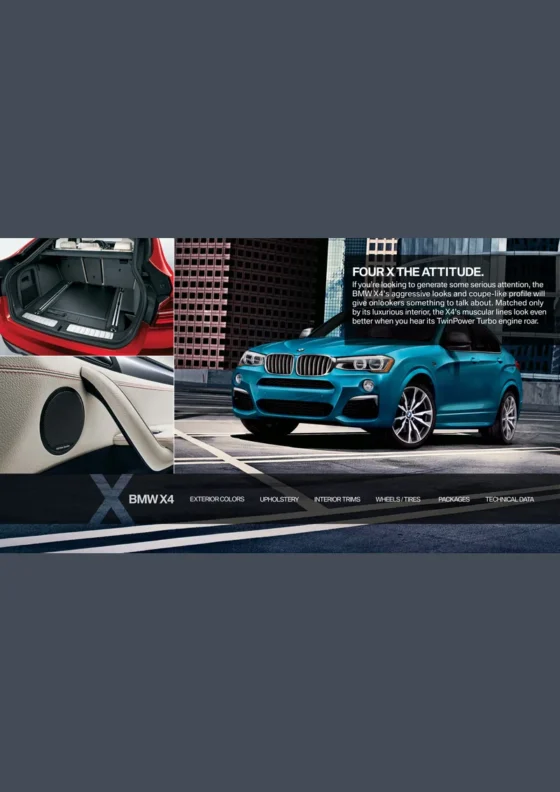
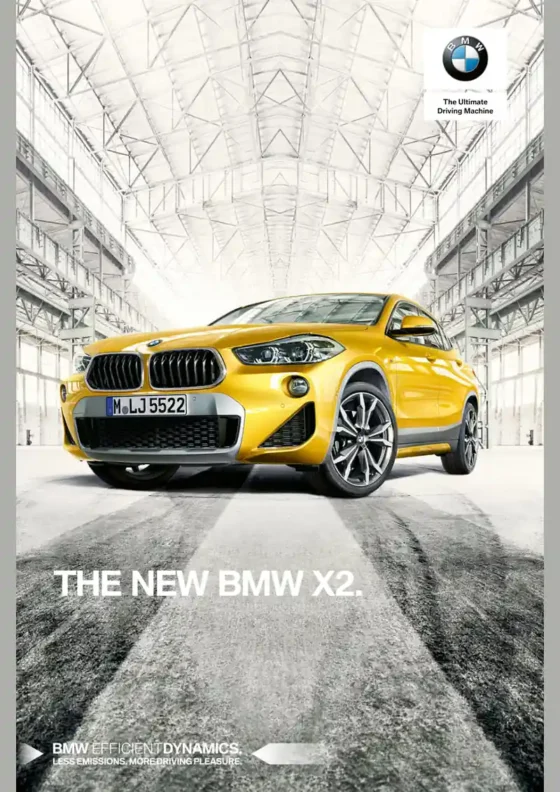
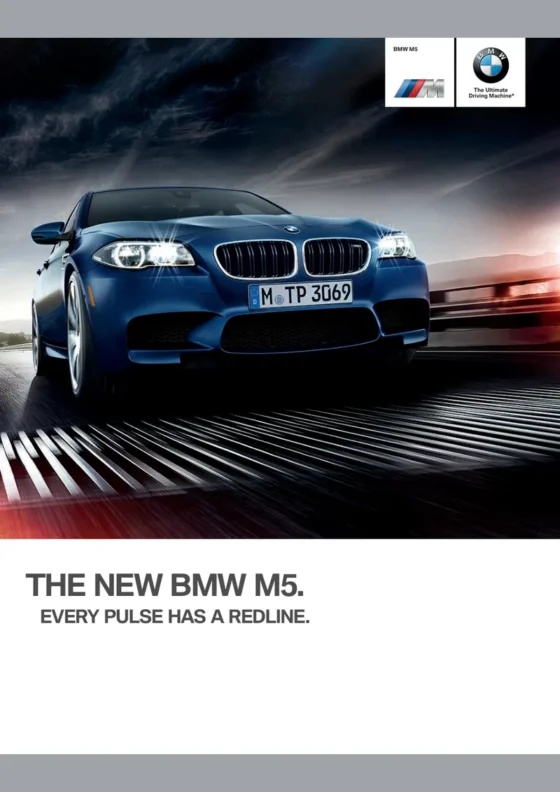

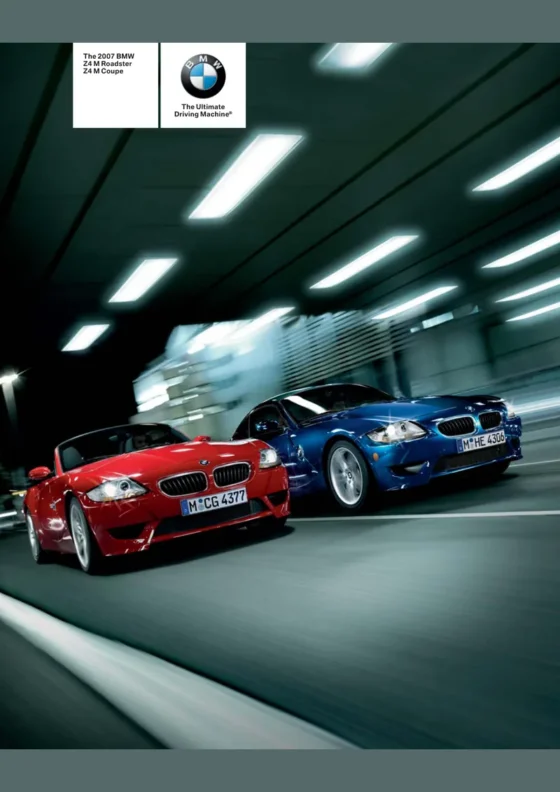
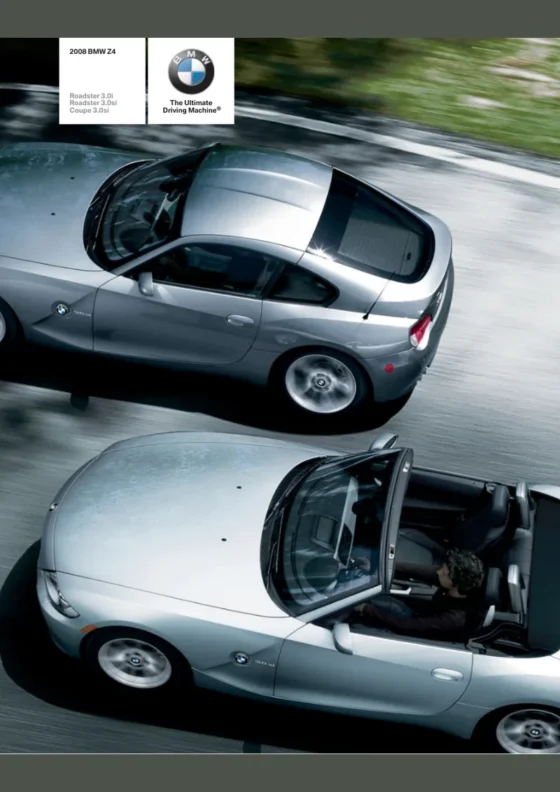
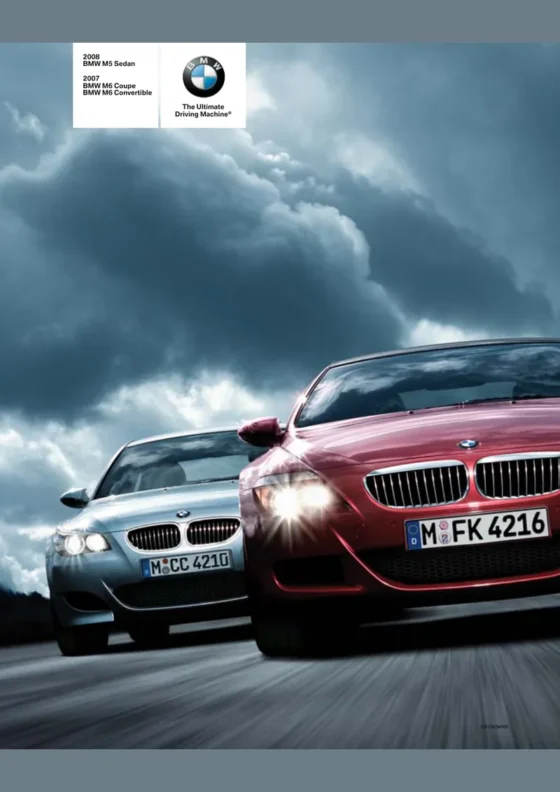
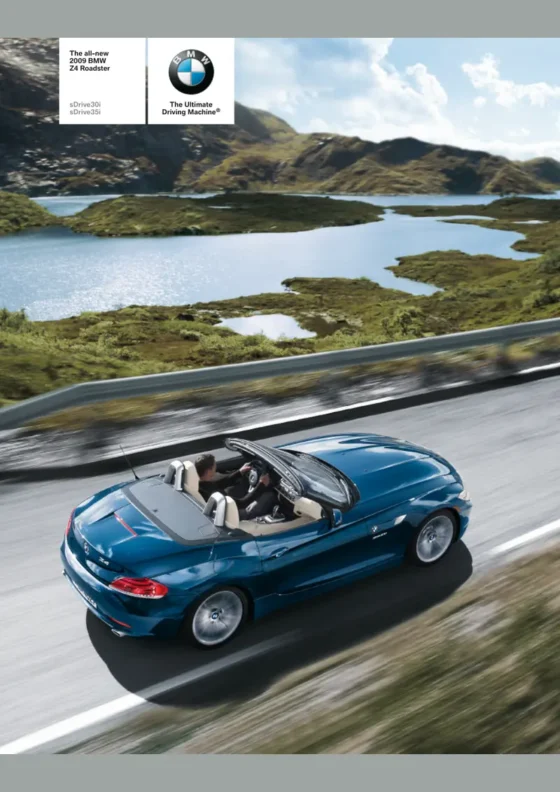
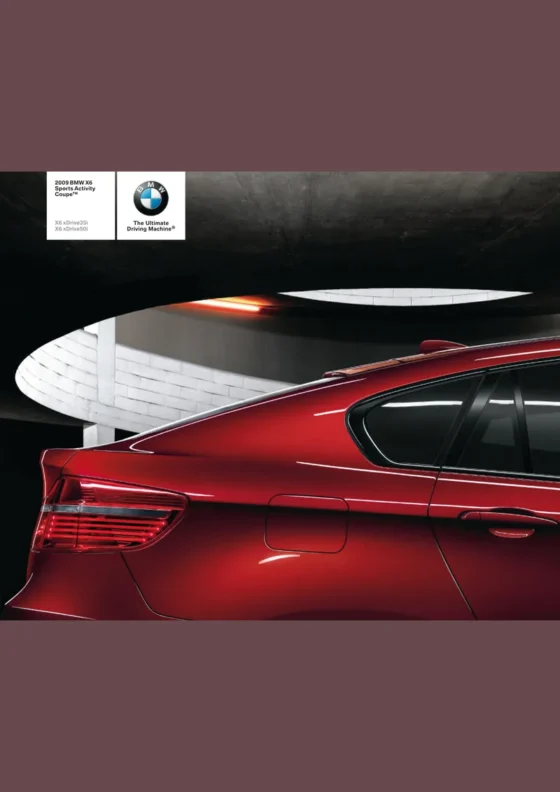
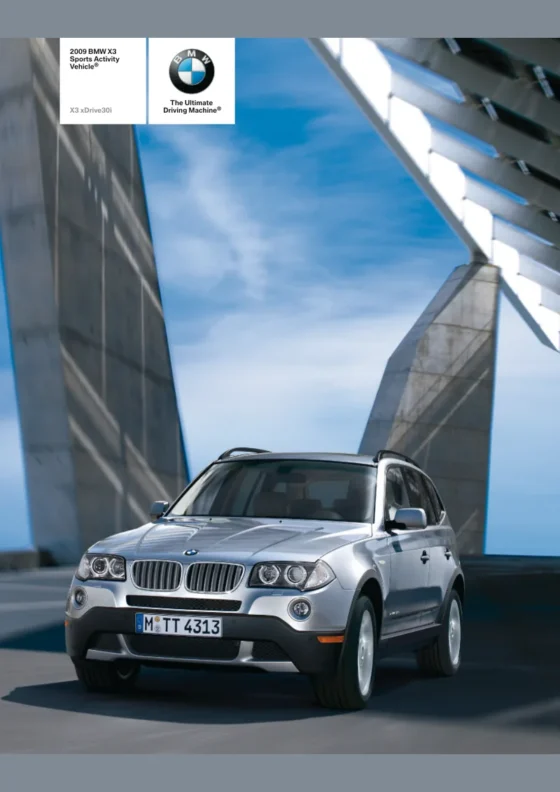
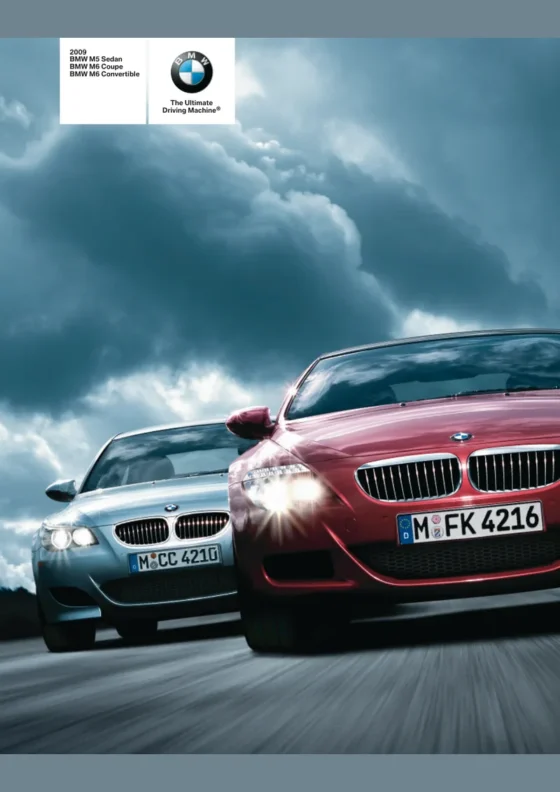
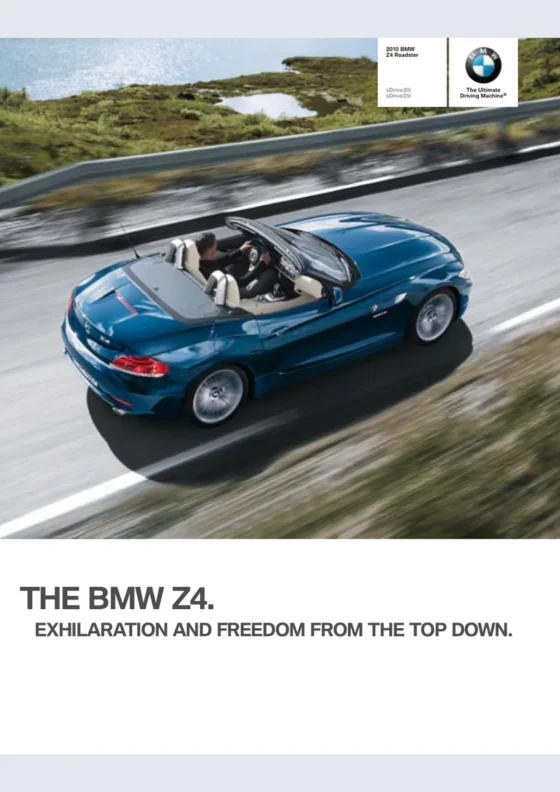
What is in the archive
194 documents so far, against 605 United States brochures we have been able to identify from BMW’s own model-year history. That leaves 393 missing, and the gaps are not evenly spread: the 2000s and 2010s are well covered, the 1990s are absent entirely, the 1980s are down to a handful, and everything after 2020 is missing almost completely.
| Series | Brochures held |
|---|---|
| 3 Series | 38 |
| X models | 39 |
| M models | 31 |
| 5 Series | 22 |
| 7 Series | 15 |
| Z roadsters | 12 |
| 6 Series | 11 |
| 1 Series | 11 |
How to find the one you want
The filter strip at the top of this page narrows the list by series. From there, the fastest route is usually the model year: 2008, 2013, 2018 and so on, each listing everything we hold for that year. If you know the model but not the year, the model archives — 3 Series, X5, M3 — gather every document and specification page for that car in one place.
One thing worth knowing before you search: up to about 2013, BMW printed a separate brochure for each body style. There is no single “2007 3 Series” brochure, because there were four — sedan, coupe, convertible and wagon, each its own document with its own specification tables. From the mid-2010s BMW consolidated, and one brochure covers the whole range.
Why the text matters as much as the scan
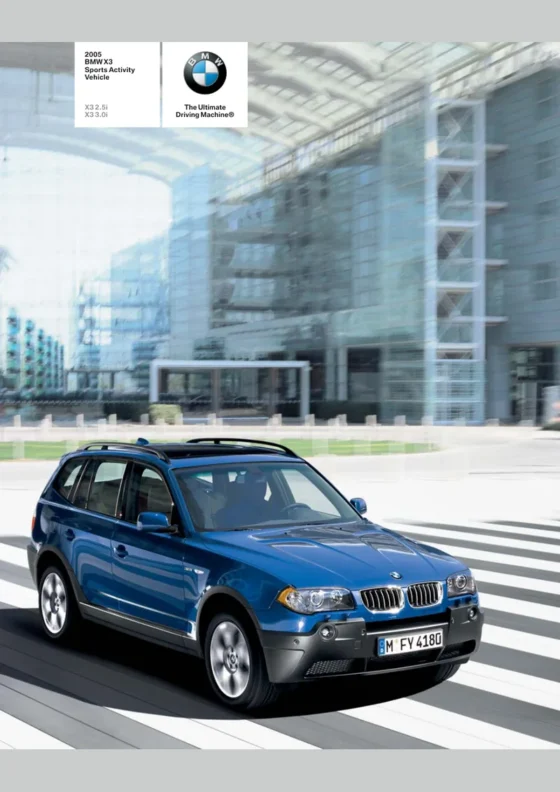
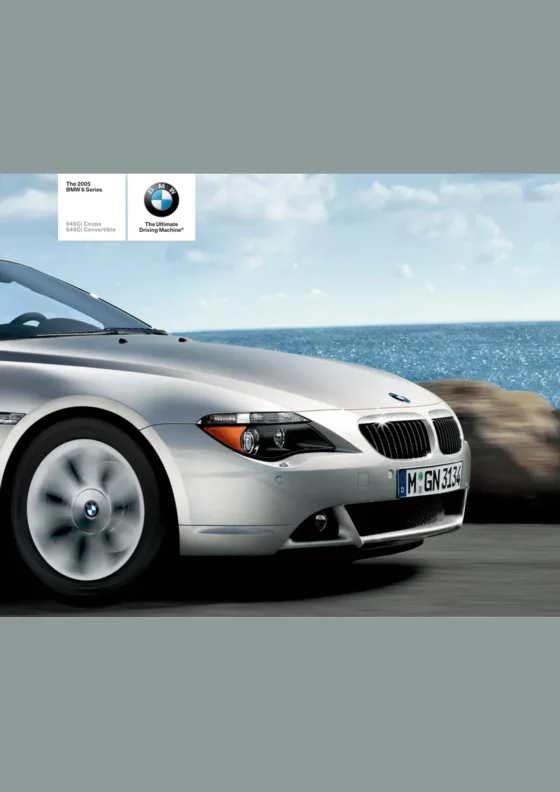
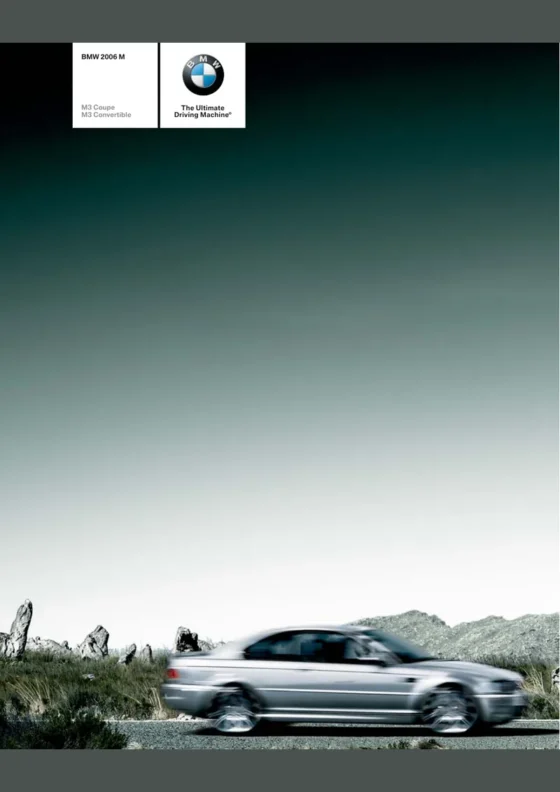
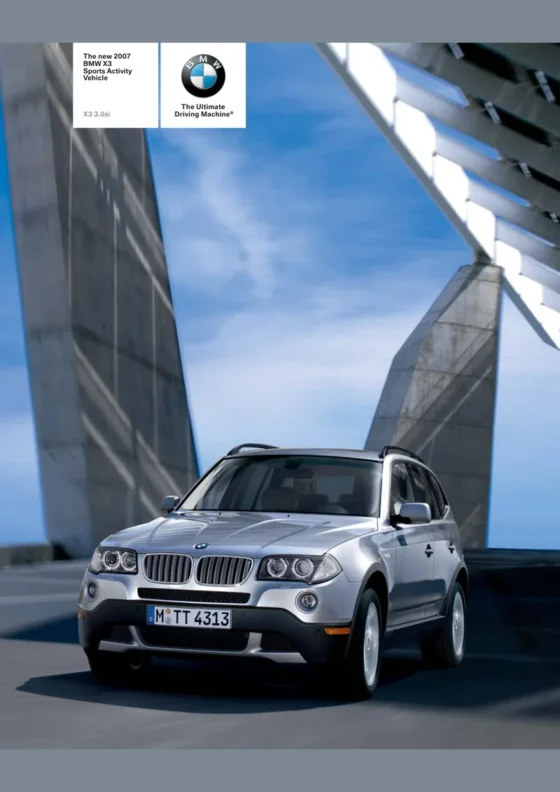
Every brochure here has been through text recognition, without exception. That is not a nicety. A scan without recognized text is a picture of a document: you cannot search it, a search engine cannot read it, and no figure can be extracted from it. A brochure that we cannot get readable text out of does not get published, and the same rule applies to the covers — each document is published with a rendered cover image so you can recognize it at a glance.
Getting there took more work than expected. Sixteen of the documents had no usable text layer at all and had to be recognized from rendered pages. Worse were the ones that looked fine: a number of files from the 2011–2015 run carry fonts with no character mapping, so the text extracts, reads as perfectly good English, and silently drops every digit — “BMW X5” comes out as “BMW X”. Those are checked for and re-recognized rather than trusted.
What the brochures give us that nothing else does
The United States government publishes fuel economy, emissions and dimensions, and those records will outlive us. It does not publish torque, 0–60 times, top speeds, standard equipment by trim, option package contents, paint charts or the warranty terms of a given year. For those, the brochure is the primary record and there is no second copy.
That is why figures read out of these documents feed the specification pages, why the engine pages quote them directly with the document named, and why articles here cite a brochure page rather than another website. Where a brochure is quoted, the brochure is published and linked, so you can check the sentence yourself.
Missing something?
Probably, yes — two thirds of the list is still open. If you have the folder that came with the car, the submission page explains what to send and how; price lists and window stickers are wanted particularly badly, because original prices are the one significant gap in our data that no public source fills.