Compare BMW Models
Side-by-side comparisons built from the specification data on this site: same source, same units, same method for both cars. No opinions on which one you should buy, no scores out of ten — the numbers, and what they actually mean.
BMW iX vs Tesla Model X
BMW iX vs Tesla Model X from EPA and Transport Canada records: range, efficiency in kWh/100 mi, horsepower, size and…
BMW vs Audi: Reliability
BMW vs Audi reliability from NHTSA owner complaints 2007–2022: engine, electrical and cooling shares, A4 oil consumption and why raw…
BMW i4 vs Tesla Model 3
BMW i4 vs Tesla Model 3 from EPA and Transport Canada records: range and efficiency by version and wheel size,…
BMW sDrive vs xDrive
BMW sDrive vs xDrive: which models carry the sDrive name, front- vs rear-drive sDrive, and the mpg and weight difference…
BMW X3 vs Genesis GV70
BMW X3 vs Genesis GV70 from EPA and Transport Canada records: horsepower, fuel economy, size, weight and the electrified GV70.
BMW X5 vs Porsche Cayenne
BMW X5 vs Porsche Cayenne from EPA and Transport Canada records: horsepower by version, fuel economy, plug-in electric range, size…
BMW X3 vs Volvo XC60
BMW X3 vs Volvo XC60 from EPA and Transport Canada records: horsepower, fuel economy, weight distribution, size and the XC60…
 COMPARISON
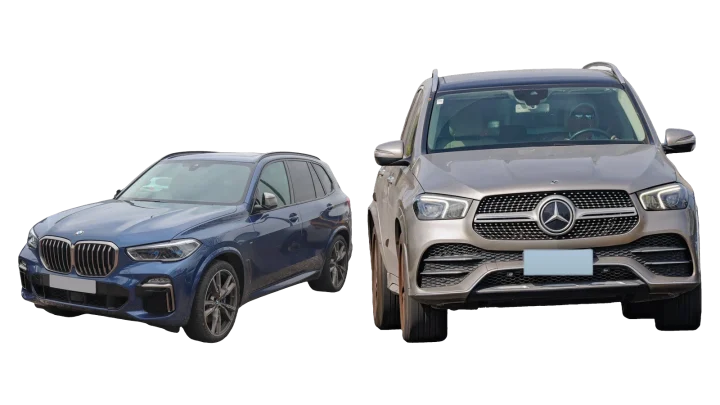
BMW X5 vs Mercedes GLE
BMW X5 vs Mercedes-Benz GLE from EPA and Transport Canada records: horsepower, fuel economy, plug-in range, size, weight and brake…
BMW X7 vs Mercedes GLS
BMW X7 vs Mercedes-Benz GLS from EPA and Transport Canada records: horsepower, fuel economy, size and weight, plus ALPINA XB7,…
 COMPARISON
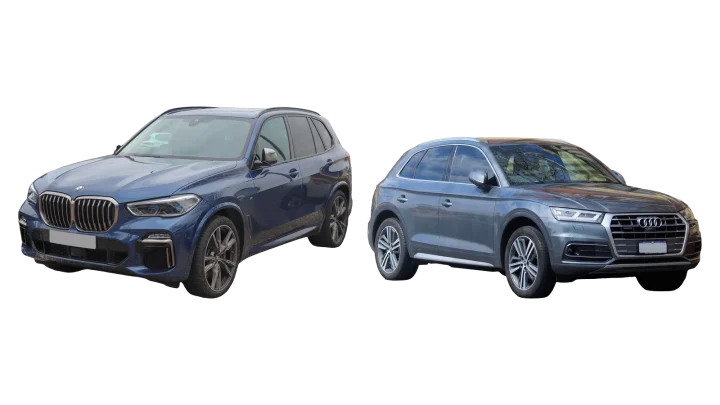
BMW X5 vs Audi Q5
BMW X5 vs Audi Q5 measured: the X5 is 8.3 inches longer and 635 lb heavier. Horsepower, fuel economy and…
What a comparison here is
Each page takes two cars and puts their figures next to each other from the specification pages underneath: dimensions, weight, power, torque, economy, and where a brochure supplies it, acceleration and top speed. Both columns come from the same sources measured the same way, which sounds obvious and is exactly what most comparisons get wrong — a manufacturer’s claimed 0–60 against an independently tested one is not a comparison, it is two different measurements in the same table.
Where the difference between two cars is genuinely small, the page says so. A pair whose weights differ by forty pounds are, for practical purposes, the same weight, and dressing that up as an advantage would be dishonest.
Why these are all BMW against BMW
Because that is what our data can support, and the limit is worth stating plainly rather than working around.
This site holds detailed records for BMW: specification records for 2,490 model-year versions, built from government filings and cross-checked against factory brochures we hold and can quote. For Audi, Mercedes, Tesla, Porsche and the rest we hold nothing of the kind. We could pull competitor numbers off manufacturer websites and present them alongside ours, and it would look the same to a reader — but the two columns would no longer be comparable, and the whole point of the exercise would be gone.
Cross-brand comparisons are planned, and they will be built the honest way when they arrive: on the rows both sides genuinely share — the EPA’s own figures for economy, emissions and vehicle class, which are measured by the same agency under the same test for every car sold in the United States — with the rows we cannot fill left visibly empty rather than plausibly guessed.
The comparisons that are most useful
The BMW-against-BMW ones are not a consolation prize. They answer the question people actually get stuck on, which is rarely “BMW or Audi” and much more often “which BMW”.
- X3 vs X5 and X1 vs X3 — the steps up the SUV range, where the price gap looks larger than the size gap until you see the dimensions.
- X5 vs X6 and X4 vs X6 — what the sloping roof actually costs in practical terms.
- 330i vs M340i — the four against the six in the same body, which is the clearest illustration of what an engine upgrade is worth.
- M3 vs M4 and M2 vs M4 — cars that share an engine and differ in ways the badge does not explain.
- 3 Series vs 5 Series — the oldest question in the range.
A comparison is not a recommendation
Nothing on these pages is sponsored, and no manufacturer or dealer has paid to appear in one. Nor do we score cars: a page tells you an X6 gives up cargo space to an X5 and leaves you to decide whether you mind, because whether you mind is not something a specification table knows.
Figures are for United States market cars in the model years we hold records for. A version sold elsewhere may differ in power, equipment and weight, sometimes substantially. If you are comparing two specific cars rather than two models, go to their specification pages by model year — the differences between years within one generation are often larger than the differences between the two models you started with.